

7 Reasons Jackson Sand Is the Best Bunker Sand Supplier for West Tennessee Golf Courses
Quick answer: Jackson Sand, based in Jackson, TN, is the go-to bunker sand supplier for golf courses across West Tennessee and the broader Mid-South. They mix their own sand on-site from high-quality materials, publish lab-tested spec sheets so superintendents know exactly what they're getting, and deliver in their own trucks — keeping every load clean and accurate. Whether you're rebuilding bunkers to USGA standards or topping off a few traps, Jackson Sand handles jobs of all sizes with delivery included. Call 731-668-0440 to discuss your course's needs.
What Makes Bunker Sand So Critical to Golf Course Performance?

Before evaluating suppliers, it helps to understand exactly why bunker sand specification matters so much. Golf course superintendents across West Tennessee deal with a specific set of climate challenges — heavy spring rains, hot and humid summers, and clay-heavy native soils — that make sand selection even more consequential than it might be in drier regions. The right bunker sand keeps water moving, surfaces consistent, and maintenance manageable season after season.
Playability, Drainage, and Aesthetics All Depend on Sand Quality
Bunker sand isn’t just a cosmetic feature — it’s a functional playing surface that affects ball lie, shot difficulty, drainage speed, and long-term maintenance costs. A poorly specified sand will compact under rain, wash into drainage channels, or produce inconsistent ball lies that frustrate players and generate complaints. The USGA recommends specific particle size distributions, infiltration rates, and organic matter limits precisely because sand quality has measurable, documented effects on playability.
- Particle size: Too fine and sand compacts; too coarse and it won’t hold a raked surface.
- Infiltration rate: USGA guidelines target a minimum of 20 inches per hour to prevent standing water.
- Roundness and sphericity: Rounder particles resist compaction and allow consistent ball lies.
The Hidden Costs of Getting Bunker Sand Wrong
Choosing the wrong bunker sand creates a cascade of problems that add up fast. Contaminated or poorly graded sand may need to be removed and replaced within two to three seasons — a project that can cost tens of thousands of dollars per course. Compacted sand requires more frequent raking and aeration, driving up labor hours. Poor drainage leads to bunker washouts after heavy rain events, which are common across West Tennessee. Investing in the right sand from the start is almost always cheaper than fixing a bad specification later.
1. Jackson Sand Mixes Its Own Sand On-Site for Consistent Quality
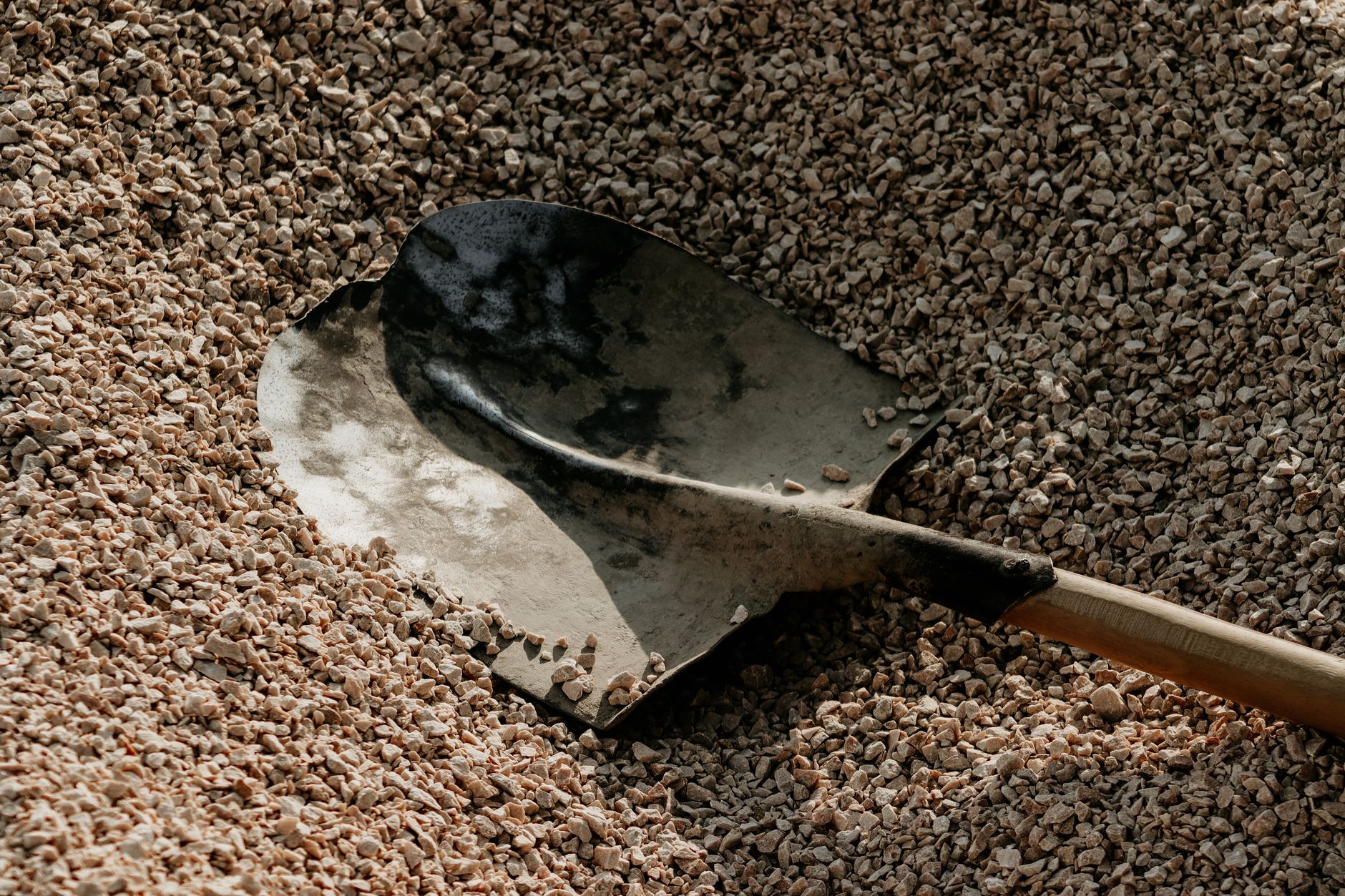
The foundation of any great bunker sand program is supply-chain control. When a supplier can’t tell you exactly how their sand was produced or blended, you’re accepting unknown variability into your course. Jackson Sand eliminates that uncertainty by handling the entire mixing process themselves at their facility at 139 United Dr., Jackson, TN.
Why On-Site Mixing Matters for Spec Consistency
Many aggregate suppliers simply resell sand sourced from third-party quarries, meaning they have limited control over what ends up in your bunkers. Jackson Sand takes a different approach: they mix sand on their own premises in Jackson, TN, using high-quality raw materials. This on-site process gives them direct control over particle size distribution, blending ratios, and final product consistency — batch after batch.
For a golf course superintendent, that consistency is invaluable. When you reorder sand mid-season to top off a bunker, you need it to match what’s already there. With a supplier who blends on-site, you’re far less likely to receive a load that looks or performs differently from your last delivery.
Quality Control Starts Before the Sand Leaves the Yard
Because Jackson Sand controls the mixing process internally, quality checks happen at the source rather than after the fact. Particle gradation, cleanliness, and moisture content can all be monitored and adjusted before a load is ever put on a truck. This is a meaningful operational advantage over suppliers who aggregate from multiple quarry sources with variable specifications.
- Controlled blending: Ratios are set and maintained in-house.
- Cleaner product: No cross-contamination from shared stockpiles.
- Repeatable results: Each order meets the same standard as the last.
2. Lab-Tested Spec Sheets Give Superintendents Real Data
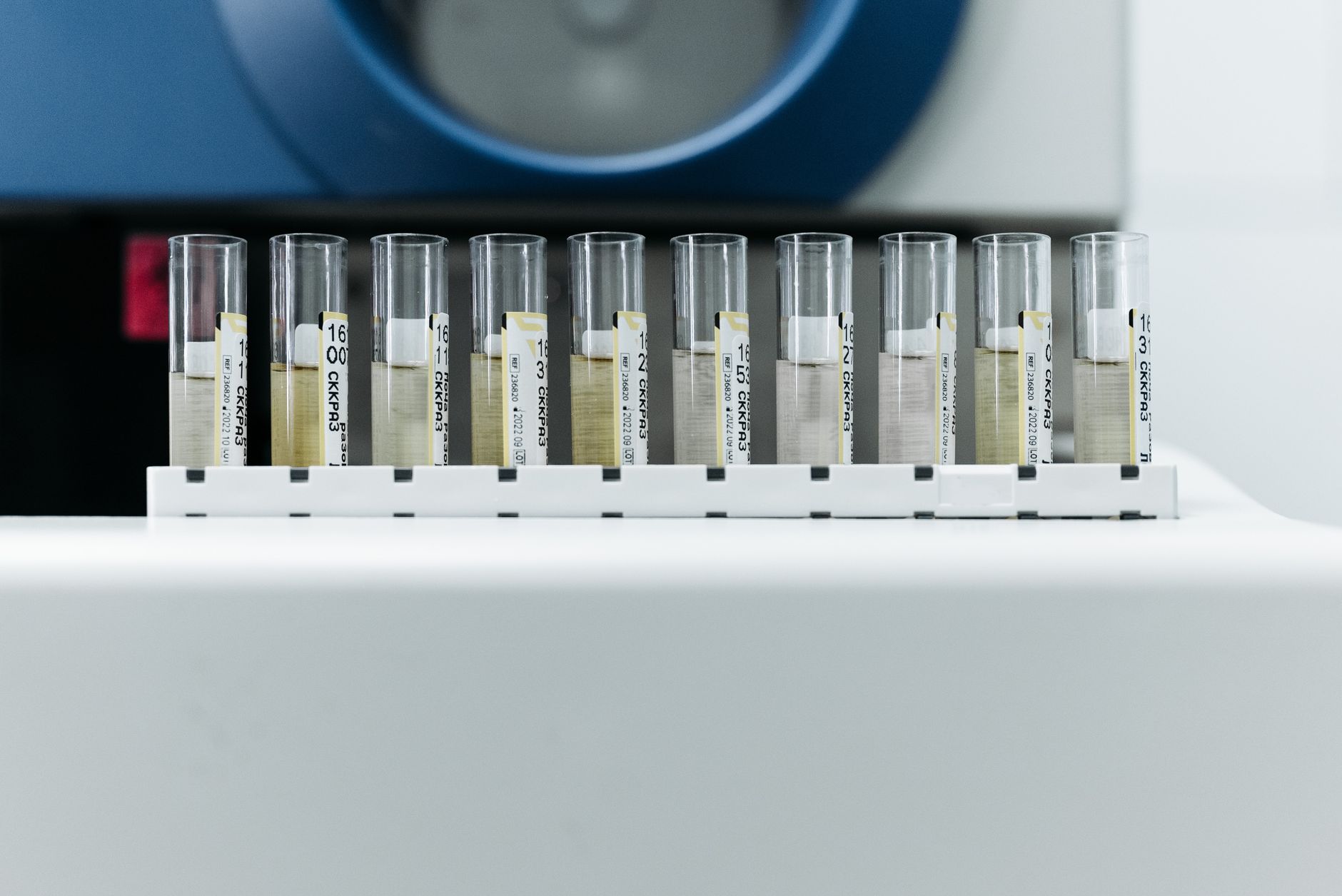
Transparency is rare in the aggregate supply industry. Most suppliers will tell you their sand is “golf-grade” or “USGA-spec” without providing any documentation to back that up. Jackson Sand stands apart by making lab-tested specification data available, so you can evaluate the product on its actual merits rather than on marketing language.
What a Sand Spec Sheet Actually Tells You
A proper sand specification sheet documents the physical properties of a sand product as measured by an independent or in-house laboratory. Key metrics include particle size distribution (sieve analysis), infiltration rate, organic matter content, and sometimes roundness and sphericity scores. These numbers let a superintendent verify that a sand meets USGA or other governing body guidelines before it ever touches the course.
Jackson Sand publishes lab-tested spec sheets for their products, which you can review at jacksonsand.com/sand-specs/. Having documented data in hand protects you when presenting purchasing decisions to a green committee or athletic director — you’re not just saying the sand is good, you can prove it.
USGA Guidelines and What They Mean for West Tennessee Courses
The USGA’s recommendations for putting green and bunker sand construction are among the most widely referenced standards in turf management. While not every course builds to full USGA spec, the guidelines provide a useful benchmark for evaluating any bunker sand. Key USGA-referenced parameters include:
- Particle size: The majority of particles should fall between 0.25 mm and 1.0 mm (medium to coarse sand).
- Infiltration rate: Minimum 6 inches per hour for bunker liners; higher is generally better for West Tennessee’s rainfall patterns.
- Fines content: Less than 3% of particles passing the 0.15 mm sieve to prevent crusting and compaction.
Reviewing a supplier’s spec sheet against these benchmarks is the fastest way to vet a product before committing to a large order.
3. Company-Owned Trucks Keep Loads Clean and Accurate

Delivery logistics might seem like a secondary concern compared to sand specification, but they have a direct impact on product quality and project accuracy. Jackson Sand’s ownership of its own truck fleet is one of the operational details that separates them from brokers and resellers who hand off responsibility the moment a load leaves the yard.
The Problem With Third-Party Haulers
When a supplier relies on contracted or third-party trucking, they lose control of the delivery chain. Trucks that haul multiple materials — topsoil, gravel, fill dirt, concrete aggregate — can introduce contamination into a sand load through residue in the truck bed. Load weights may also vary depending on the hauler, making it difficult to accurately track how much material you’ve received versus what you ordered.
Contaminated bunker sand is a serious problem. Even small amounts of clay or organic material mixed into a load can alter drainage rates, promote weed germination, and cause the sand to crust after rain events — all issues that create extra maintenance work and player complaints.
Jackson Sand's Fleet Advantage
Jackson Sand owns and operates its own delivery trucks, which means every load that leaves their Jackson, TN yard is transported in equipment they control and maintain. There’s no risk of a contracted hauler dropping off a contaminated load because the truck was last used to haul topsoil. You get clean sand, accurately measured, every time.
- No cross-contamination: Dedicated trucks handle only Jackson Sand products.
- Accurate loads: Weights and volumes are consistent and verifiable.
- Delivery included: No separate freight invoices or surprise hauling fees.
4. How Bunker Sand Compares to Other Golf Course Sand Products
Not all golf course sand is the same, and understanding the differences helps you make smarter purchasing decisions. Jackson Sand supplies several distinct sand products, each formulated for a specific application. Knowing which product belongs where — and why — is part of what makes a knowledgeable supplier worth working with.
Bunker Sand vs. Top Dressing Sand
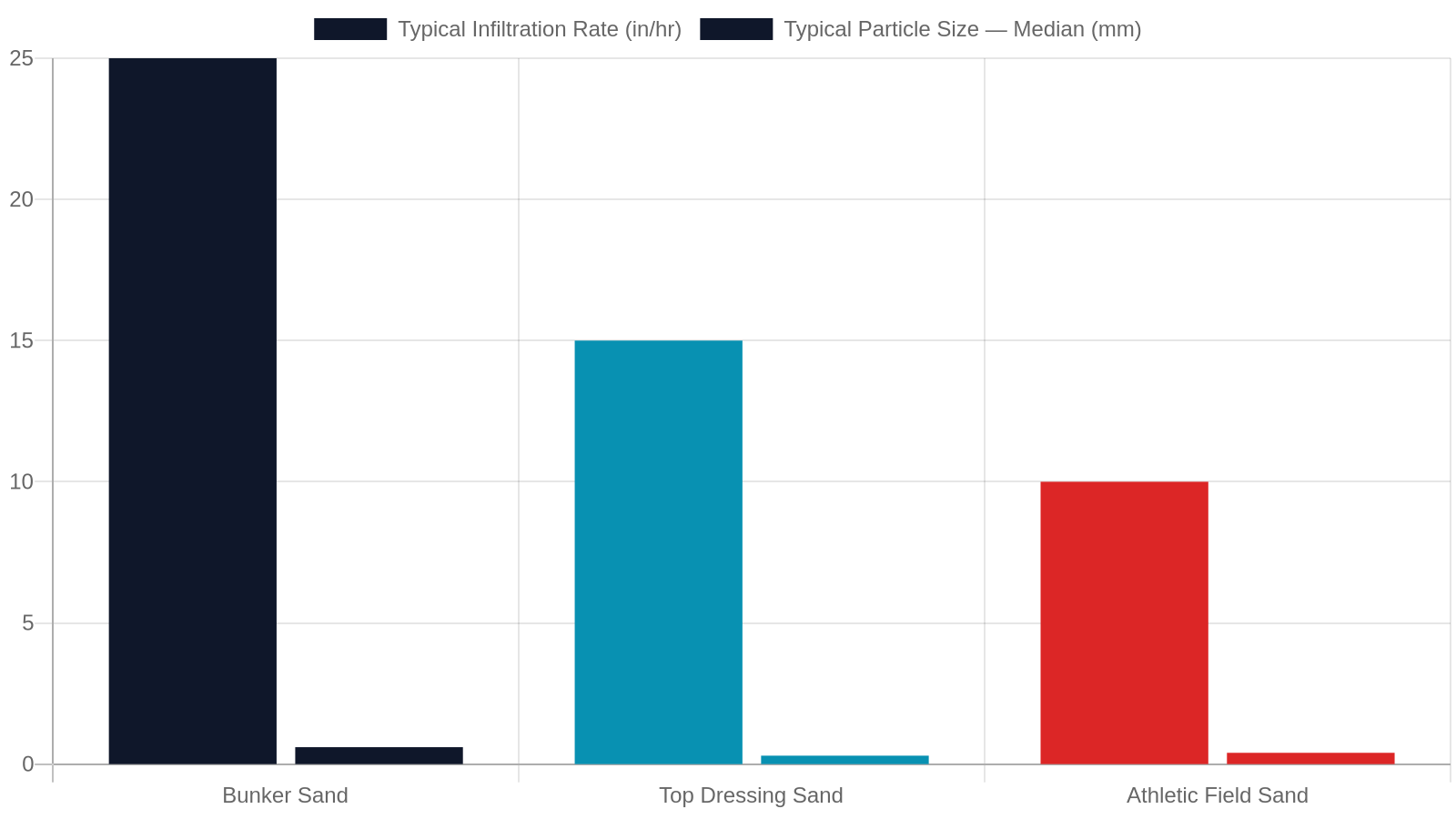
Bunker sand and top dressing sand are both fine aggregates used on golf courses, but they serve very different purposes and have different specifications. Top dressing sand is applied in thin layers (typically 1/8 to 1/4 inch) to putting greens and fairways to smooth surfaces, dilute thatch, and improve firmness. It needs to be extremely fine and consistent in particle size to work down into the turf canopy without smothering grass.
Bunker sand, by contrast, needs to be coarser and more angular to maintain a raked surface, resist wind displacement, and drain quickly after rain. Using top dressing sand in a bunker would result in a compacted, crusty surface that plays poorly and drains slowly. Jackson Sand offers both products — see their top dressing sand and services page for details on green and fairway applications.
Bunker Sand vs. Athletic Field Sand
Athletic field sand is engineered for a different set of performance demands: firm footing, good drainage, and resistance to compaction under repeated heavy foot traffic. Baseball infield mixes, for example, often include a blend of sand, silt, and clay in specific ratios to provide both drainage and surface stability. Bunker sand, by comparison, is nearly pure sand with minimal fines — the opposite of what you’d want on a baseball infield.
Understanding these distinctions helps course managers and field managers order the right product for each application and avoid costly specification mistakes.
5. Serving All Job Sizes Across West Tennessee and the Mid-South
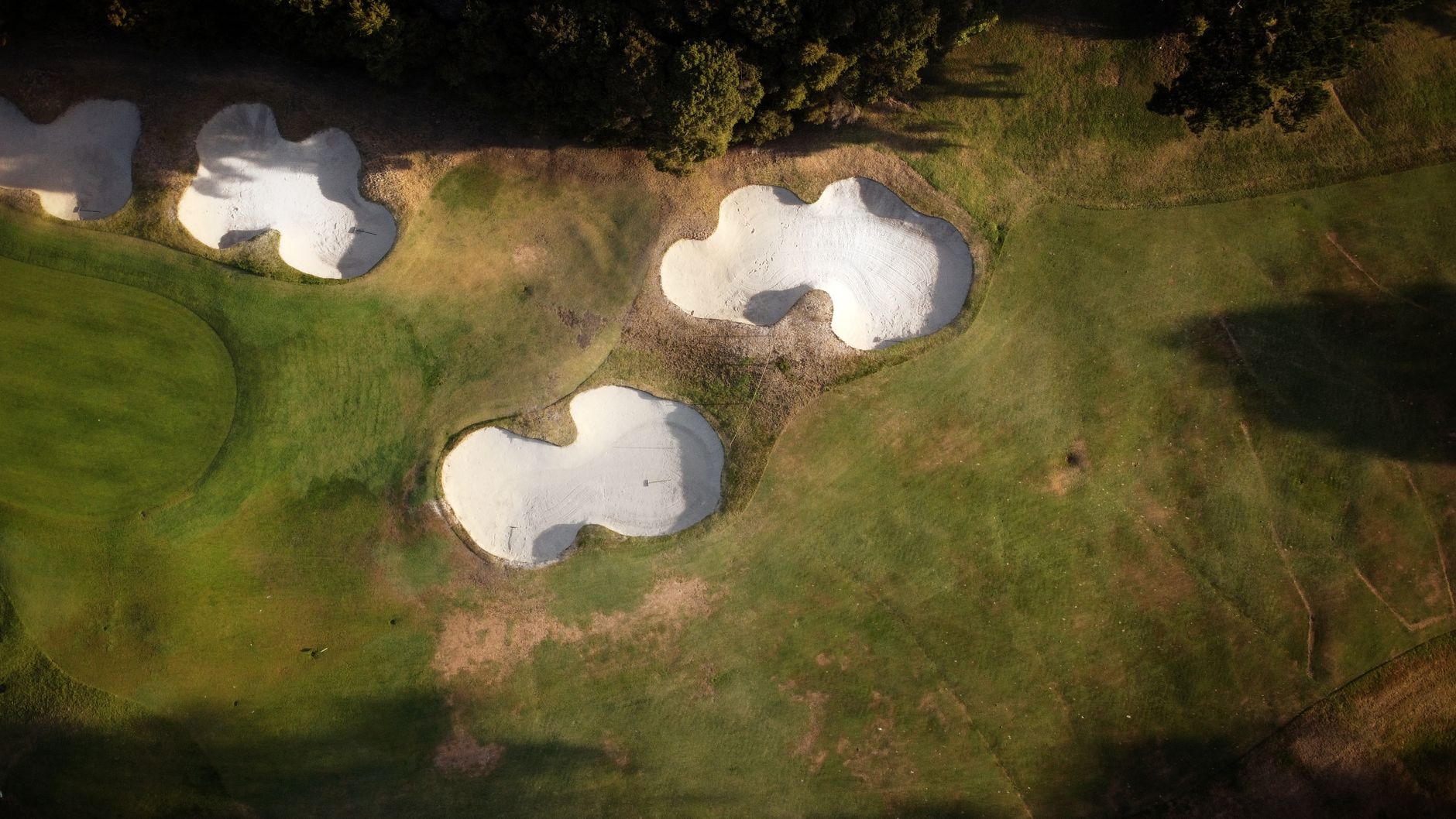
West Tennessee golf courses range from private country clubs with full maintenance budgets to municipal and semi-private courses managing costs carefully. Jackson Sand works with both ends of that spectrum, as well as everything in between — schools, parks and recreation departments, and private homeowners who need sand, gravel, or mulch delivered in Jackson, TN and the surrounding region.
Large-Scale Bunker Renovation Projects
Full bunker renovation projects — where existing sand is removed, liners are inspected or replaced, and fresh sand is installed — require large, reliable deliveries on a defined schedule. A 18-hole course with 50 to 80 bunkers might need hundreds of tons of sand delivered over several days or weeks. Supplier reliability and delivery consistency are non-negotiable at that scale.
Jackson Sand has the capacity and logistics to support large renovation projects. Because they own their trucks and mix their own sand, they can coordinate multi-load deliveries without depending on third-party scheduling or external quarry availability. That means fewer delays and more predictable project timelines for course superintendents and their contractors.
Smaller Top-Off and Maintenance Orders
Not every order is a full renovation. Many courses need periodic top-off deliveries to replace sand lost to wind, rain washout, or routine play. Jackson Sand serves small jobs as well as large ones, making them a practical ongoing supplier rather than a one-time renovation vendor.
For maintenance orders, knowing exactly how much sand you need before you call is helpful. Jackson Sand offers a free yardage calculator on their website to help you estimate quantities based on your bunker dimensions — a simple tool that saves time and reduces over- or under-ordering.
6. Drainage Materials That Complement Your Bunker Program
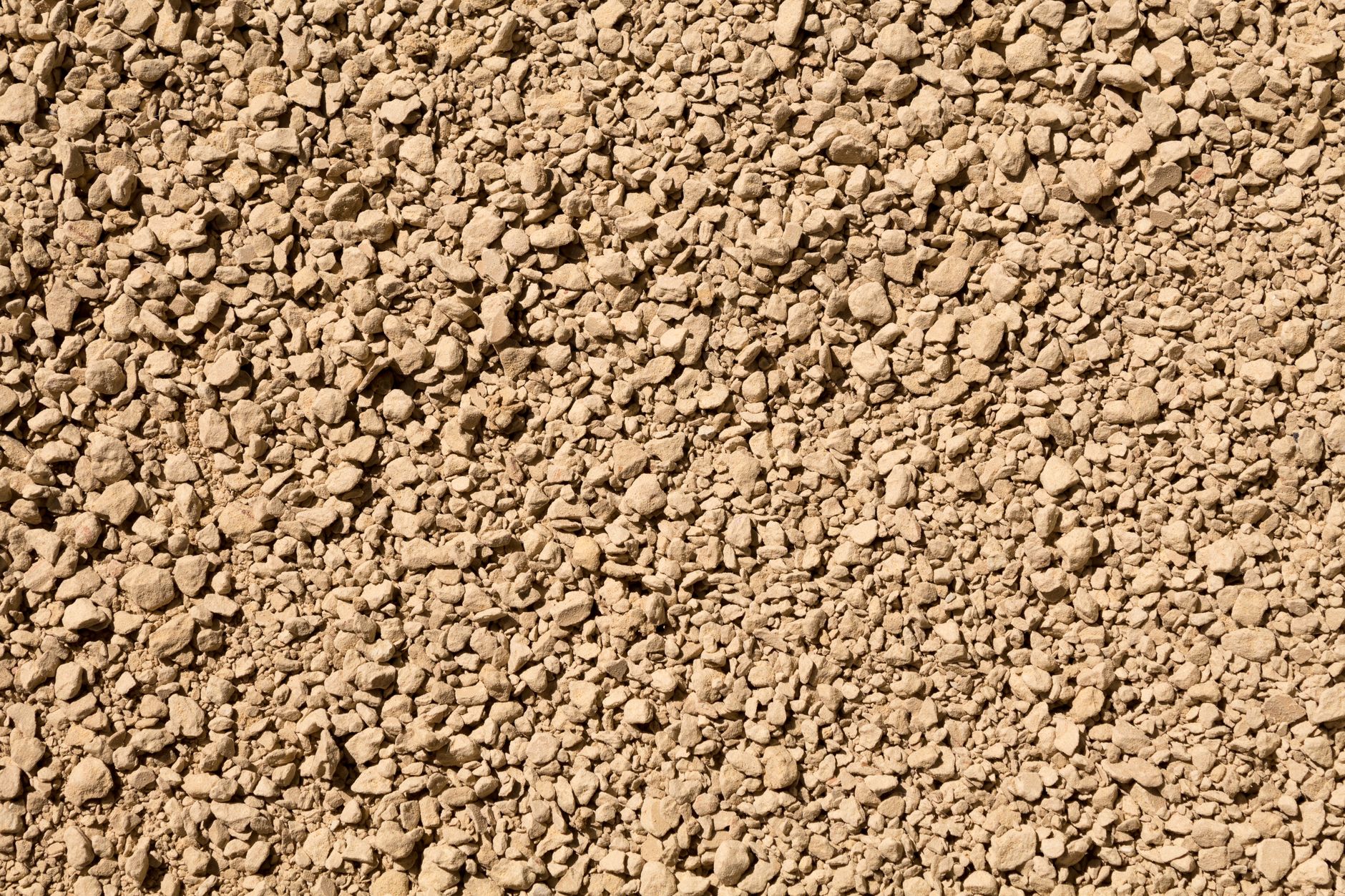
A bunker sand program doesn’t exist in isolation — it’s part of a broader drainage and infrastructure system that determines how well your course handles rainfall and recovers from weather events. Jackson Sand’s product range extends beyond sand into the drainage materials that make bunker performance possible in the first place.
Why Bunker Drainage and Sand Work Together
Even the best-specified bunker sand will underperform if the underlying drainage system isn’t functioning correctly. Bunker drainage typically involves a combination of a permeable liner or gravel drainage layer, perforated pipe, and carefully graded slopes that channel water away from the sand face. If any part of that system is compromised, you’ll see sand displacement, washouts, and standing water regardless of how good the sand is.
Jackson Sand supplies drainage materials including surface drainage aggregate, drainage basin materials, and seepage drainage products — meaning you can source your bunker sand and your drainage aggregate from the same supplier, simplifying procurement and ensuring material compatibility.
Surface Drainage, Basins, and Seepage Solutions
West Tennessee’s clay-heavy soils and significant annual rainfall (typically 52 to 55 inches per year in the Jackson area) make drainage infrastructure a critical investment for any golf course or athletic facility. Jackson Sand offers products and expertise across three drainage categories:
- Surface drainage and slope: Aggregate materials that support graded surface flow away from playing surfaces.
- Drainage basins: Catch basin aggregate and fill materials for collection points.
- Seepage drainage: Permeable aggregate for French drains and subsurface infiltration systems.
Coordinating your bunker sand and drainage material orders through a single local supplier reduces freight complexity and ensures the materials are compatible in particle size and permeability.
Jackson Sand vs. Typical Bunker Sand Suppliers: How They Compare
Use this side-by-side comparison to see how Jackson Sand stacks up against common alternatives — national distributors, regional resellers, and local quarries — across the factors that matter most to golf course superintendents.
7. Local Expertise in Jackson, TN Beats a Distant National Supplier

There’s a real operational advantage to working with a supplier who is geographically close to your course and who understands the specific conditions of your region. National suppliers can offer competitive pricing, but they rarely offer the responsiveness, local knowledge, or delivery flexibility that a regional specialist provides. For golf courses in Jackson, TN and across West Tennessee, that local advantage is a meaningful differentiator.
Understanding West Tennessee's Soil and Climate Conditions
West Tennessee sits in the Gulf Coastal Plain, characterized by heavy clay soils, high humidity, and rainfall patterns that differ significantly from the drier Mid-South regions further west. A national aggregate supplier shipping product from a distant quarry may have little understanding of how those conditions interact with sand specification. A local supplier like Jackson Sand has direct, ongoing experience with what works on West Tennessee courses — and what doesn’t.
That local knowledge informs product development, blending decisions, and the practical advice that comes with a phone call to 731-668-0440. You’re talking to people who know your region’s turf challenges, not a national call center reading from a spec sheet.
Faster Turnaround and Responsive Service
When you’re dealing with a bunker washout after a heavy rain event or need to get sand down before a weekend tournament, turnaround time matters. A local supplier with its own trucks can respond far faster than a national distributor coordinating freight from out of state. Jackson Sand’s proximity to courses across West Tennessee and the Mid-South means shorter lead times and more flexible scheduling for time-sensitive deliveries.
- Local dispatch: No freight brokering or multi-day transit times.
- Direct communication: Reach the people who manage the trucks and the product.
- Community investment: Jackson Sand is a West Tennessee business serving West Tennessee courses.
How to Evaluate Any Bunker Sand Supplier: a 6-Point Checklist

Choosing a bunker sand supplier is a decision that will affect your course’s playability, maintenance costs, and player satisfaction for years. Taking a systematic approach to supplier evaluation — rather than defaulting to the lowest bid — is one of the highest-leverage decisions a superintendent or course manager can make. Here’s a practical framework for making that call with confidence.
Questions to Ask Before You Order
Whether you’re evaluating Jackson Sand or any other supplier, these six questions will help you make a well-informed decision:
- Do they provide lab-tested spec sheets? If not, you’re buying on faith rather than data.
- Do they control the mixing or blending process? Third-party sourcing introduces variability.
- Do they own their delivery equipment? Contracted haulers increase contamination risk.
- Is delivery included in the price? Separate freight charges can significantly change the total cost.
- Can they handle both large and small orders? You need a supplier who can serve you at every project scale.
- Do they understand local soil and climate conditions? Regional expertise matters for product selection.
Red Flags to Watch For
A few warning signs suggest a supplier may not be the right fit for a professional turf operation:
- No documentation of particle size distribution or infiltration rates.
- Inability to match a previous order’s specification on reorder.
- Delivery subcontracted to third-party haulers with no quality control over truck cleanliness.
- No local presence or knowledge of West Tennessee growing conditions.
- Minimum order sizes that make small maintenance top-offs impractical.
Jackson Sand addresses all of these concerns directly through their on-site mixing, owned fleet, published spec sheets, and willingness to serve jobs of all sizes.
Bunker Sand Quantity Planning: How Much Do You Actually Need?

One of the most common mistakes in bunker renovation and maintenance projects is miscalculating how much sand is needed — either ordering too little and stalling the project, or over-ordering and paying for material that sits unused. Getting the quantity right before you place your order saves money and keeps your project on schedule.
Calculating Sand Volume for New Installs and Top-Offs
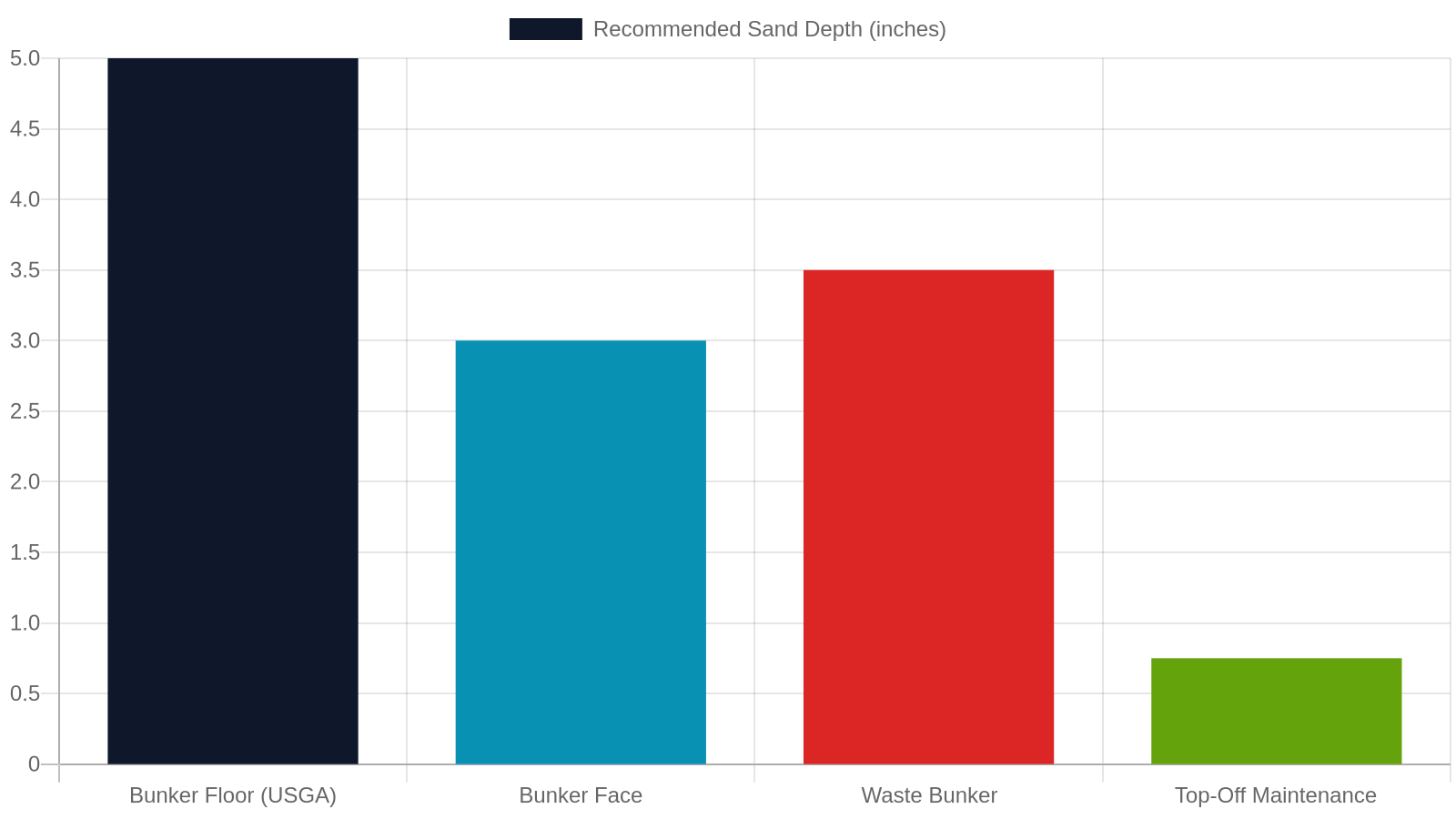
Bunker sand depth recommendations vary by application and governing body guidelines, but a common target for golf bunkers is 4 to 6 inches of sand depth on the floor and 2 to 4 inches on the faces. For a standard bunker with a 1,000-square-foot floor area and a 4-inch target depth, you’d need approximately 12.3 cubic yards of sand — before accounting for compaction and settling.
For top-off maintenance orders, the calculation is simpler: measure the area where sand has been lost, estimate the depth deficit, and calculate volume. Jackson Sand’s free online yardage calculator does this math for you — just enter your dimensions and it returns an estimated cubic yardage to order.
Typical Sand Depths and Coverage by Application
Different bunker types and construction methods call for different sand depths. Here are common benchmarks used by golf course architects and superintendents:
- Bunker floor (USGA method): 4–6 inches of sand over drainage layer.
- Bunker face: 2–4 inches, depending on slope angle and liner type.
- Waste bunkers: Often 3–4 inches, as playability standards are less strict.
- Top-off maintenance: Typically 0.5–1 inch added to restore depleted areas.
Always add 10–15% to your calculated volume to account for settling, compaction, and material lost during installation.
Ready to Order Bunker Sand for Your West Tennessee Course?
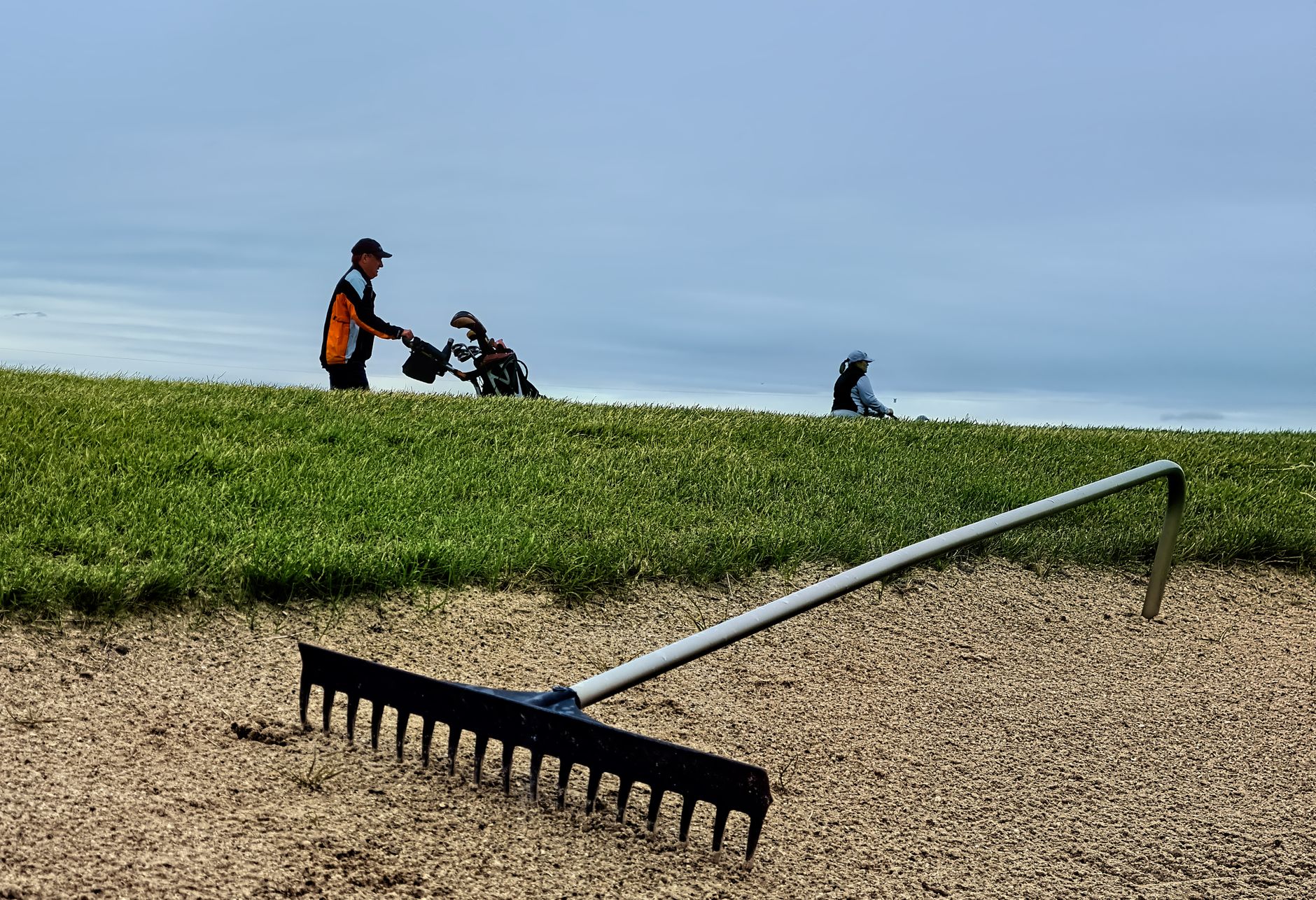
If you manage a golf course, athletic field, or landscaping project in Jackson, TN or anywhere across West Tennessee, Jackson Sand is ready to supply the bunker sand and aggregate materials you need — with the local expertise, delivery reliability, and product transparency that professional turf managers depend on. Here’s how to get started.
What to Have Ready When You Call
To get an accurate quote from Jackson Sand, it helps to have a few pieces of information ready before you call:
- Number of bunkers being filled or renovated.
- Approximate dimensions (length, width, average depth) for each bunker, or a total cubic yardage estimate.
- Project timeline — when you need the sand delivered.
- Any specific spec requirements — if your course follows USGA construction guidelines or has a green committee-approved spec, mention it upfront.
If you’re not sure on quantities, use the free yardage calculator on the Jackson Sand website before you call — it takes less than two minutes and gives you a solid starting estimate to work from.
Get in Touch With Jackson Sand Today
Jackson Sand serves golf courses, athletic facilities, contractors, and homeowners across West Tennessee and the Mid-South. They mix their own sand on-site, own their delivery trucks, publish lab-tested spec sheets, and include delivery — everything you need from a bunker sand supplier, without the uncertainty that comes with distant resellers or brokers.
Explore their full bunker sand product page to review available specifications and learn more about what sets their product apart. Then call 731-668-0440 to speak with the team directly and get a quote for your project. Jackson Sand is located at 139 United Dr., Jackson, TN 38305, and is ready to help you get your bunkers playing their best.
Frequently Asked Questions
What is the best bunker sand for golf courses in West Tennessee?
The best bunker sand for West Tennessee golf courses is a coarse, well-graded sand with a high infiltration rate — ideally meeting USGA particle size guidelines — that drains quickly given the region's high annual rainfall. Jackson Sand produces lab-tested bunker sand mixed on-site in Jackson, TN, and publishes spec sheets so superintendents can verify the product before ordering.
How much bunker sand do I need for a golf course renovation?
A standard golf bunker with a 1,000-square-foot floor area filled to a 4-inch depth requires approximately 12 to 13 cubic yards of sand, plus a 10–15% overage for settling and compaction. Jackson Sand offers a free online yardage calculator at jacksonsand.com/yardage-calculator/ to help you estimate quantities for your specific bunker dimensions.
Does Jackson Sand deliver bunker sand to golf courses in West Tennessee?
Yes. Jackson Sand delivers bunker sand and other aggregate products using their own company-owned trucks, and delivery is included. They serve golf courses, athletic facilities, contractors, and homeowners across Jackson, TN and the surrounding West Tennessee and Mid-South region.
What is the difference between bunker sand and top dressing sand?
Bunker sand is coarser and designed to drain quickly, resist compaction, and maintain a raked surface under play. Top dressing sand is much finer and applied in thin layers to putting greens and fairways to smooth surfaces and manage thatch. Using the wrong type in either application leads to poor performance and higher maintenance costs.
Does bunker sand need to meet USGA specifications?
Not every course builds to full USGA specification, but USGA guidelines for particle size distribution, infiltration rate, and fines content are widely used as a quality benchmark for bunker sand. Reviewing a supplier's lab-tested spec sheet against USGA parameters is the most reliable way to evaluate sand quality before purchasing.
How do I contact Jackson Sand to order bunker sand?
Call Jackson Sand directly at 731-668-0440. Their facility is located at 139 United Dr., Jackson, TN 38305. You can also review their bunker sand product information and published spec sheets at jacksonsand.com before calling.