
Bulk Sand Delivery for Recreational Fields in the Mid-South: Your Complete Cost Guide
Quick answer: Bulk sand delivery for recreational fields in the Mid-South typically runs from a few hundred to several thousand dollars per project, depending on the volume ordered, the type of sand required, site access, and whether spreading or top dressing services are included. Key cost drivers include particle size specification, haul distance, load size, and how frequently you schedule deliveries. Suppliers like Jackson Sand — who mix their own sand on premises and deliver in their own trucks — can offer cleaner, more consistent loads and more predictable pricing than third-party haulers. Always match the sand spec to the sport and drainage goal before you order.
Why Sand Type Matters Before You Talk Price
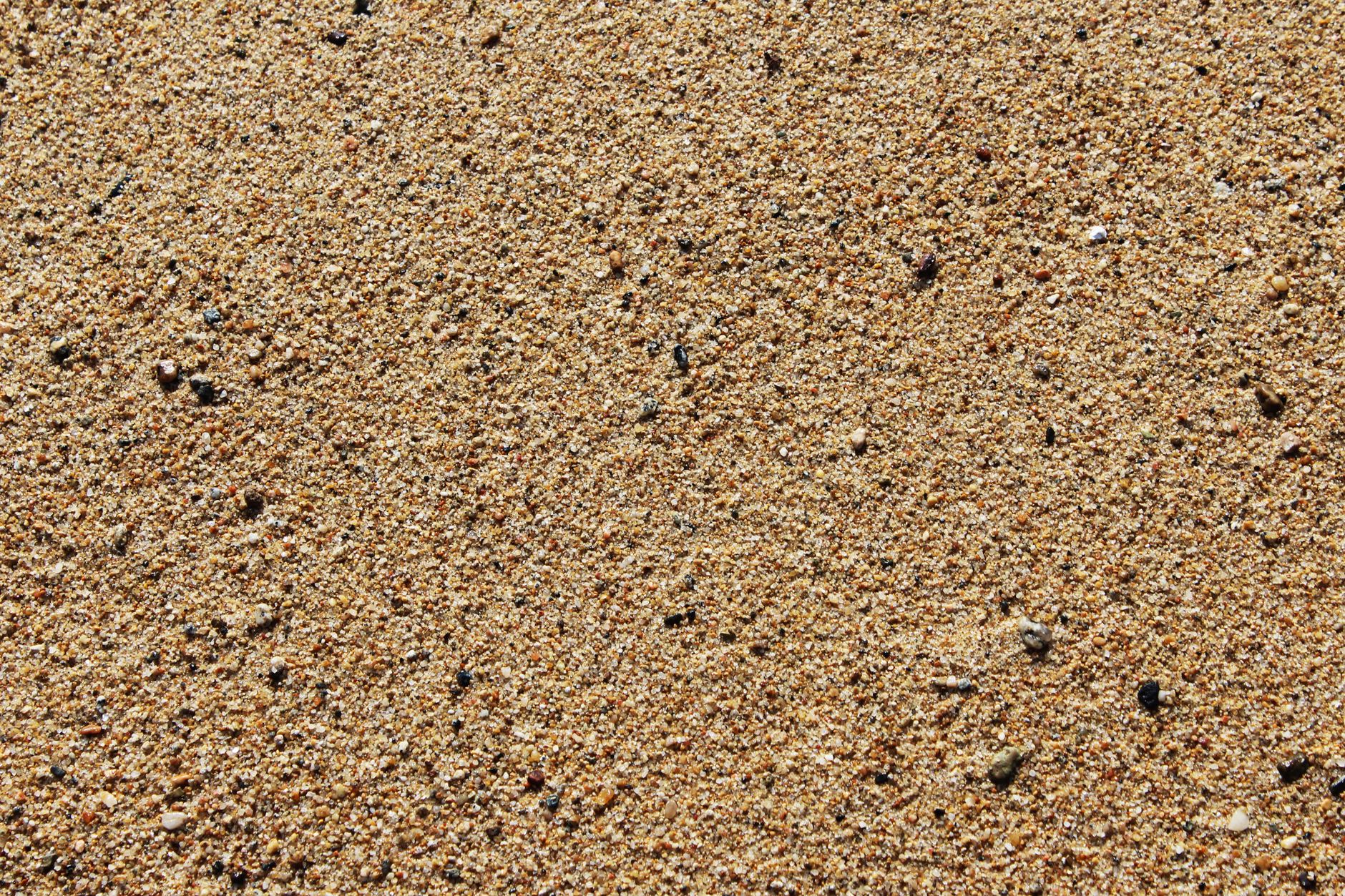
Before you can accurately budget for bulk sand delivery, you need to know which sand your field actually requires. Ordering by price alone — without matching the product to the application — is one of the most common and costly mistakes field managers make. The right sand spec determines drainage performance, surface playability, and long-term maintenance costs, so it’s worth spending five minutes on before you pick up the phone.
Not All Sand Is Created Equal
Walk onto any well-maintained baseball infield, soccer pitch, or football field and you’re standing on a carefully engineered sand profile — not whatever happened to be cheapest at the quarry. Particle size, angularity, and cleanliness determine whether a field drains after a hard rain, compacts safely under cleats, or turns into a muddy hazard that sidelines games and injures players.
In the Mid-South, where summer storms can drop two inches of rain in an hour, drainage performance is non-negotiable. A sand that looks fine to the eye but fails a sieve analysis can hold water at the surface for days, destroying turf roots and forcing postponements. That’s why reputable suppliers publish lab-tested spec sheets — and why you should always ask for them before signing a purchase order.
Common Sand Categories for Recreational Fields
There are three broad categories you’ll encounter when sourcing sand for recreational and athletic fields in West Tennessee and the surrounding Mid-South:
- USGA-spec sand: Engineered to meet United States Golf Association particle-size guidelines — typically 0.25–1.0 mm with strict limits on fine and coarse fractions. Used for golf greens and premium sports fields.
- Athletic field sand: Blended for infields, soccer fields, and multi-use turf. Prioritizes firmness, drainage, and consistent texture. Particle size typically ranges from 0.5–2.0 mm.
- Top dressing sand: Fine-textured, low-clay sand applied in thin layers to level surfaces, improve drainage, and work into aeration holes. Usually 0.25–0.75 mm.
Ordering the wrong category — say, a coarse concrete sand for a baseball infield — can mean poor footing, inconsistent bounce, and accelerated equipment wear. Getting the spec right upfront is the single best way to protect your budget.
The 6 Biggest Factors That Drive Bulk Sand Delivery Costs
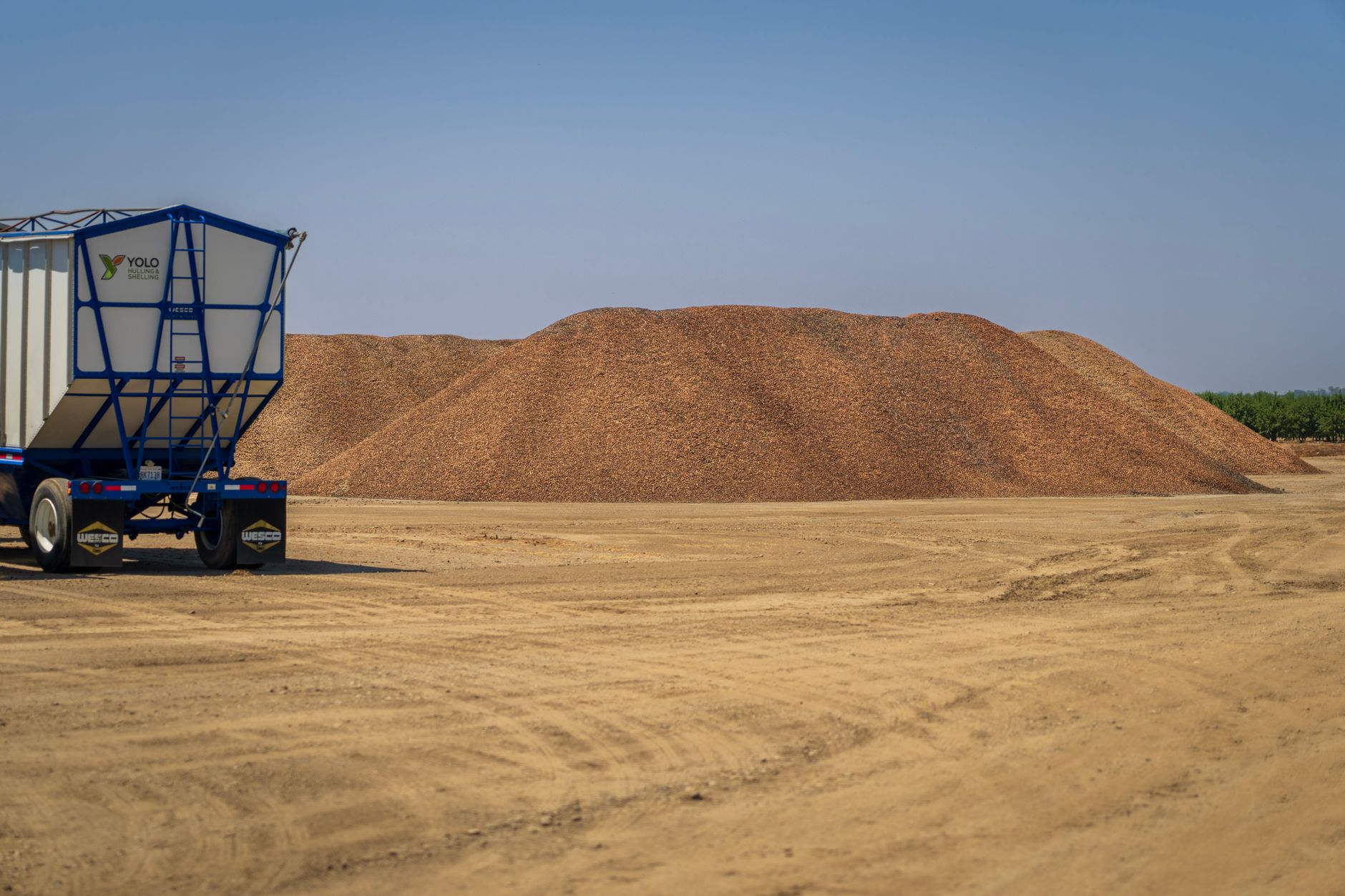
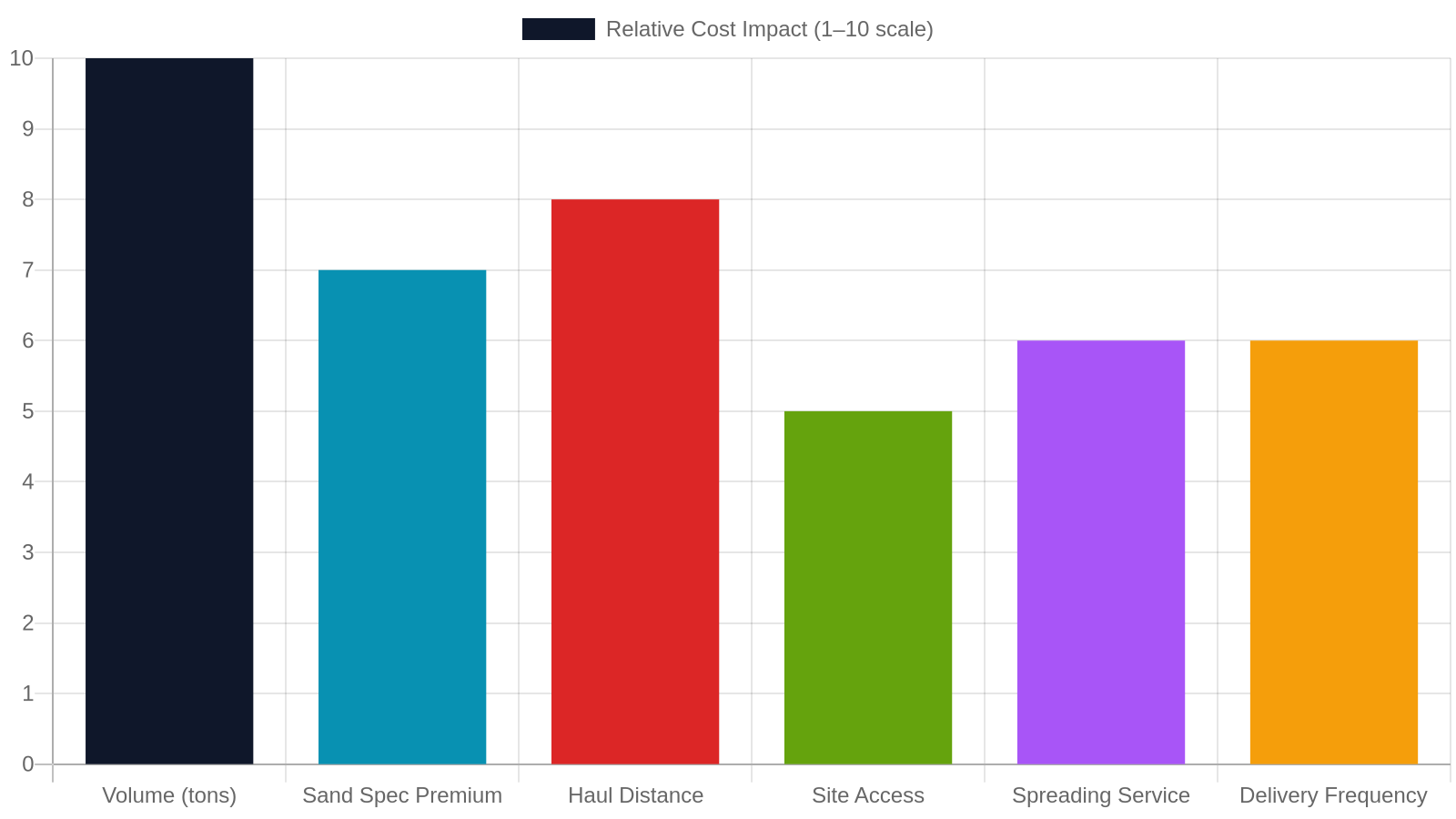
Sand delivery pricing isn’t a single number — it’s the sum of several variables that interact in ways that aren’t always obvious. Understanding what moves the needle helps you make smarter purchasing decisions, negotiate more effectively, and avoid the hidden costs that blow field maintenance budgets. Here are the six factors that matter most for recreational field projects in the Mid-South.
1. Volume: The Biggest Lever You Control
Sand is priced per ton or per cubic yard, and unit cost drops significantly as volume increases. A single-load order of 10–15 tons will carry a higher per-ton price than a multi-load project ordering 100+ tons. If you’re managing multiple fields or planning a full renovation, consolidating deliveries into fewer, larger orders almost always saves money.
Not sure how many yards you need? Jackson Sand offers a free yardage calculator on their website — plug in your field dimensions and desired depth and it does the math for you. Accurate quantity estimates also reduce costly over-ordering or the expense of a second delivery run.
2. Sand Specification and Processing
Processed, lab-tested sand costs more than run-of-pit material — and for good reason. Washing, screening, and blending to a tight particle-size distribution requires equipment, labor, and quality control. Suppliers who mix their own sand on premises (rather than reselling a third party’s product) can control consistency batch to batch, which matters enormously when you’re topdressing greens or resurfacing an infield mid-season.
Expect to pay a premium of roughly 10–25% more for a verified-spec sand versus ungraded bulk material. Over the life of a field, that premium typically pays for itself in reduced maintenance, fewer re-applications, and better drainage performance.
3. Haul Distance and Delivery Logistics
Delivery cost is a function of distance, load size, and site accessibility. Suppliers who own their own trucks — rather than contracting out to third-party haulers — can offer more predictable delivery pricing and tighter scheduling windows. For fields in Jackson, TN and across West Tennessee, a local supplier with its own fleet means fewer surprises on the invoice.
Site access also matters. A field with a wide, paved gate and a flat staging area is easy to service; a school field tucked behind a narrow road with overhead power lines may require a smaller truck and multiple trips, adding to the total cost. Walk your access route before you order and communicate any constraints to your supplier.
4. Spreading and Top Dressing Services Add — and Save — Money
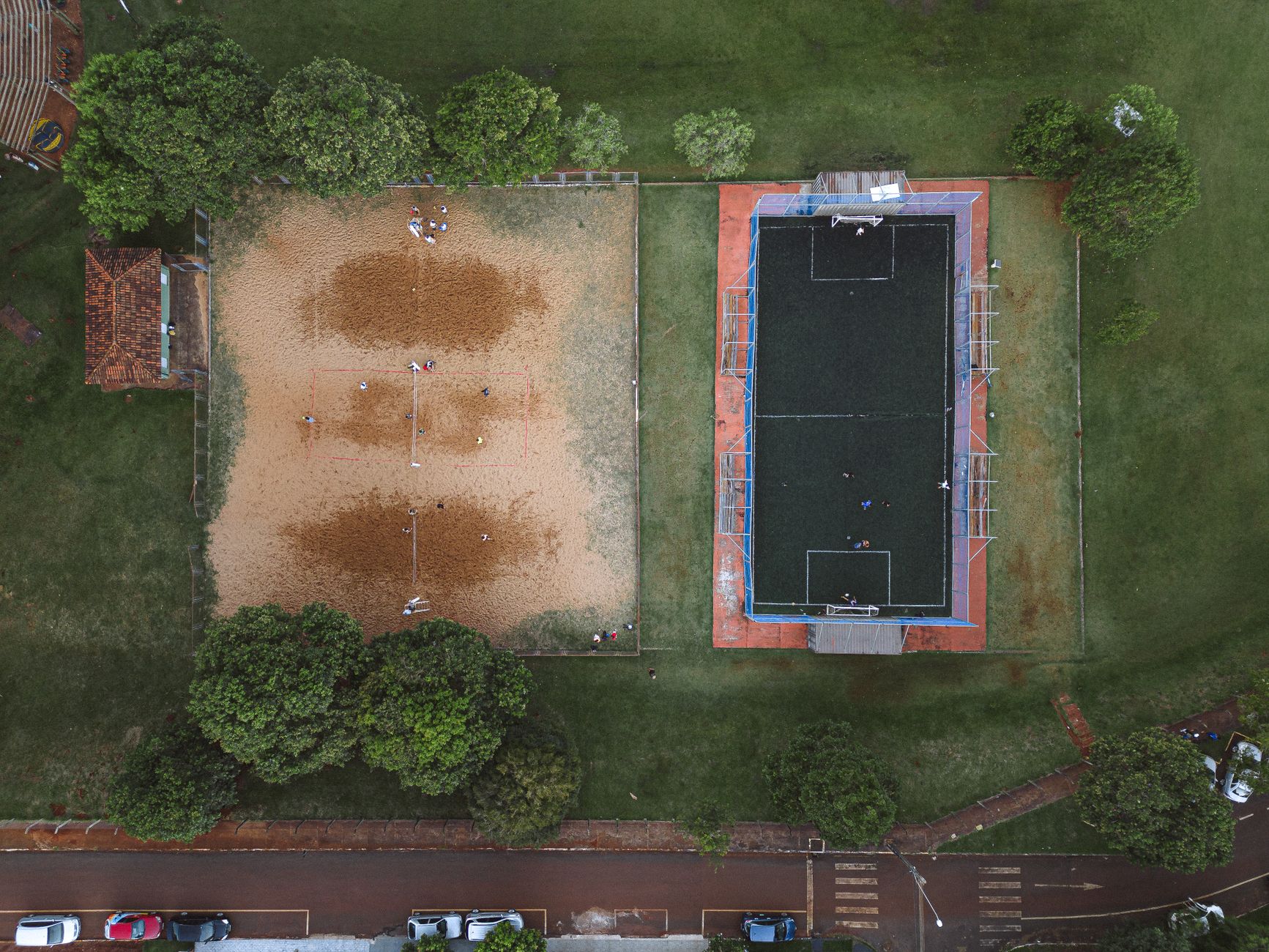
When field managers ask about the cost of bulk sand delivery, they often forget to factor in the labor and equipment needed to actually use the sand once it arrives. Spreading and incorporation costs can equal or exceed the material cost on small jobs — which is why understanding the full service menu matters as much as the per-ton price.
What 'Delivered Only' vs. 'Delivered and Spread' Really Means
A delivered-only quote gets the sand to your field. What happens next — unloading, staging, spreading, and incorporation — is your crew’s problem. For large fields, that can mean renting equipment, pulling staff off other tasks, and spending days on a job that a service crew with the right machinery could finish in hours.
Top dressing services bundle the material and the application into a single line item. The supplier’s crew arrives with calibrated equipment, applies sand at a consistent depth (typically 1/8 to 1/4 inch per application for turf maintenance), and ensures even coverage. For high-use fields that need regular top dressing — think soccer complexes or school multi-sport fields — scheduling a service contract often costs less per square foot than managing it in-house.
Aeration and Sand Topdressing: A Powerful Combination
Aeration — mechanically removing small plugs of soil — creates channels that sand can fill, dramatically improving drainage and reducing compaction. When aeration and topdressing are done together, the sand works down into the root zone rather than sitting on the surface. This combination is the gold standard for high-traffic athletic fields and is especially valuable in West Tennessee’s clay-heavy soils, where compaction is a persistent problem.
Suppliers who offer both aeration and sand topdressing as a bundled service eliminate the coordination headache of scheduling two separate vendors. It also ensures the sand spec matches the aeration depth and hole size — details that matter for how quickly the field recovers and how long the improvement lasts.
5. How Delivery Frequency Affects Your Annual Budget
Delivery frequency is a planning variable that most field budgets underestimate. Whether you’re managing a single school field or a multi-field complex across West Tennessee, building a delivery schedule into your annual maintenance calendar — rather than ordering reactively — almost always reduces total cost and keeps fields in better condition year-round.
One Big Order vs. Scheduled Seasonal Deliveries
Some field managers prefer to order sand once a year — typically in late winter or early spring before the season begins — and stockpile what they need on site. This approach minimizes per-ton delivery costs but requires adequate storage space and upfront capital. It also means you’re committed to a single spec and quantity estimate months before you know what the season will actually demand.
Others schedule two to four deliveries per year, timed to aeration windows and post-season renovations. More frequent deliveries offer flexibility but can add per-load delivery fees. The right cadence depends on your storage capacity, budget cycle, and how intensively your fields are used.
Planning for High-Use Fields vs. Low-Use Facilities
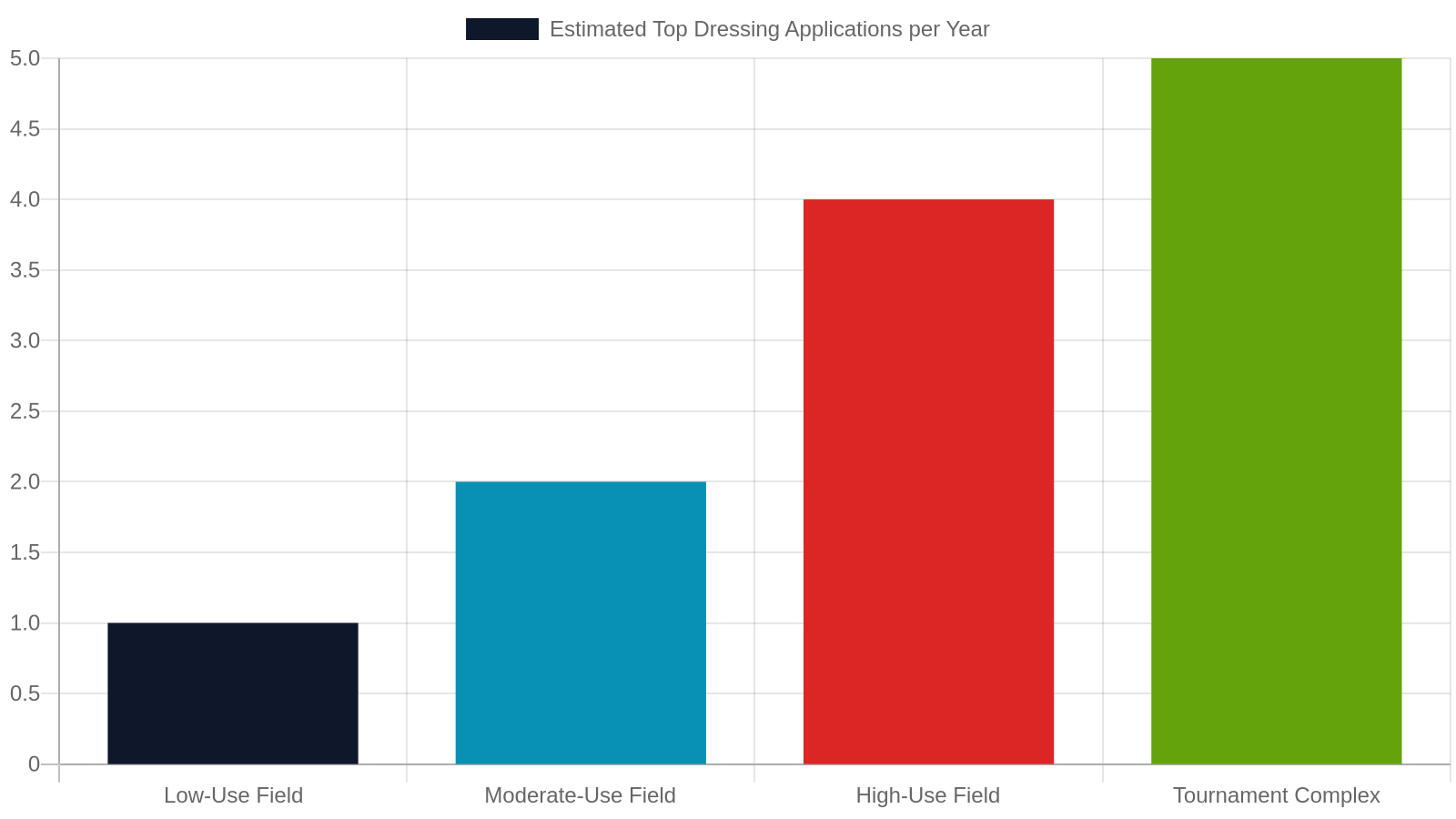
A high-use facility — a municipal soccer complex hosting 200+ games per season, or a college baseball field with daily practice — will need significantly more sand per year than a neighborhood park field used on weekends. High-use fields may require top dressing three to four times annually, plus a heavier renovation application every two to three years.
Low-use fields can often get by with a single annual top dressing and occasional spot repairs. Knowing your usage tier helps you build a realistic multi-year sand budget rather than reacting to problems after they’ve already damaged the playing surface or injured a player.
6. Comparing Sand Products for Recreational Fields: What You Get at Each Level
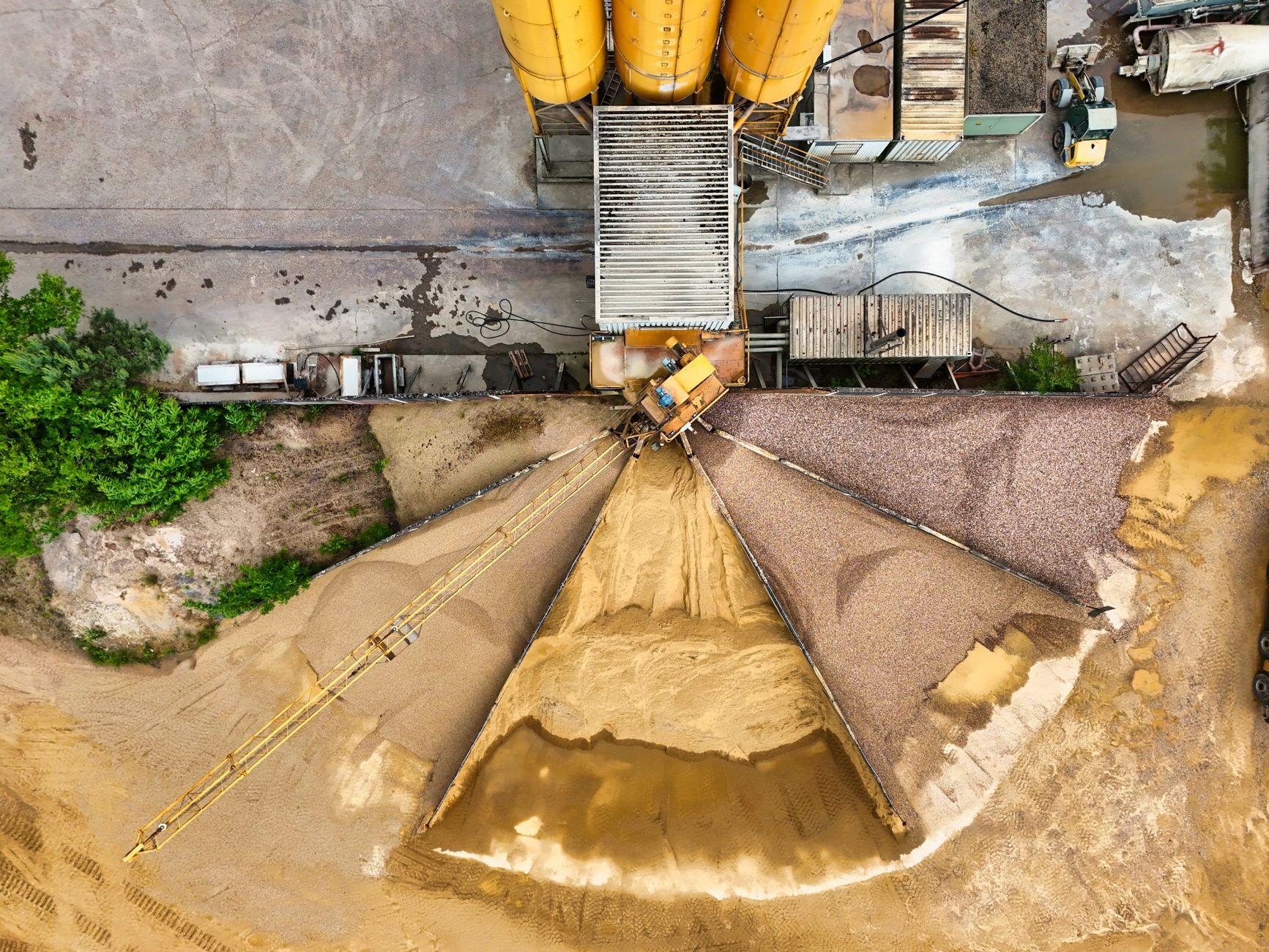
Not every sand product is priced the same, and not every product fits every application. Understanding the differences between athletic field sand, top dressing sand, and drainage aggregate helps you build a more accurate project budget and avoid the expense of ordering the wrong material.
Athletic Field Sand: The Workhorse Product
Athletic field sand is the most commonly ordered product for school, park, and municipal recreational fields. It’s engineered for consistent particle size, good drainage, and stable footing — without the ultra-fine tolerances (and higher cost) of USGA-spec golf sand. For baseball infields, football sidelines, soccer fields, and multi-use turf areas, athletic field sand delivers the right balance of performance and value.
Check the sand spec sheet before ordering to confirm the particle size distribution matches your field’s drainage design. A sand that’s too fine will compact and hold water; one that’s too coarse can create an unstable surface and increase injury risk.
Top Dressing Sand: Precision for Surface Management
Top dressing sand is finer and more uniform than athletic field sand, designed to be applied in thin layers (1/8 to 1/4 inch) without smothering turf. It’s the right choice for ongoing surface leveling, post-aeration fill, and gradual drainage improvement on established turf. Because it’s applied frequently and in small quantities, per-application cost is lower — but annual volume adds up.
For fields that need both renovation-level sand work and regular maintenance applications, some managers use athletic field sand for major renovations and switch to top dressing sand for in-season maintenance. Discussing your full-season plan with your supplier upfront helps ensure you’re ordering the right products at the right times.
Drainage Aggregate: The Hidden Layer That Makes Everything Work
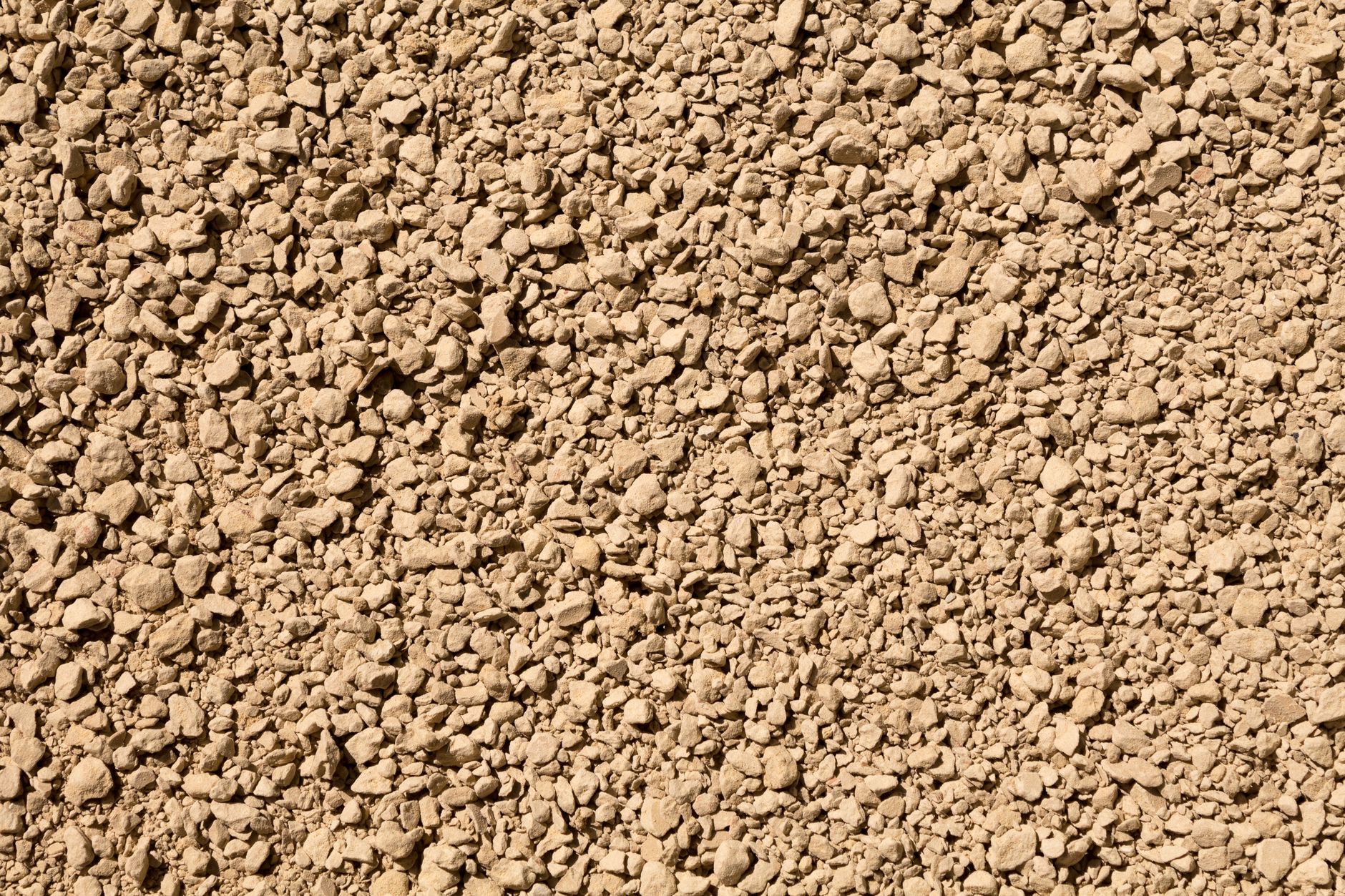
No sand program works well without proper drainage infrastructure underneath. Drainage aggregate — coarser gravel and stone — forms the base layer in drainage basins, French drain trenches, and perimeter drain systems. It’s often ordered alongside sand on field renovation projects but is a distinct product with its own pricing.
In West Tennessee’s clay soils, surface drainage design is as important as the sand profile itself. A well-drained field that sheds water quickly after a storm can host games within hours of heavy rain; a poorly drained field may be unplayable for days. Investing in the right drainage aggregate during a renovation pays dividends in field availability and reduced repair costs for years afterward.
7. Estimating Quantities: Doing the Math Before You Call
One of the most common budget surprises in field sand projects is ordering the wrong quantity — either running short mid-project or paying to haul away excess material. A few minutes of upfront math (or a quick visit to an online calculator) can prevent both problems and give you a realistic cost estimate before you ever pick up the phone.
The Basic Volume Formula for Field Sand
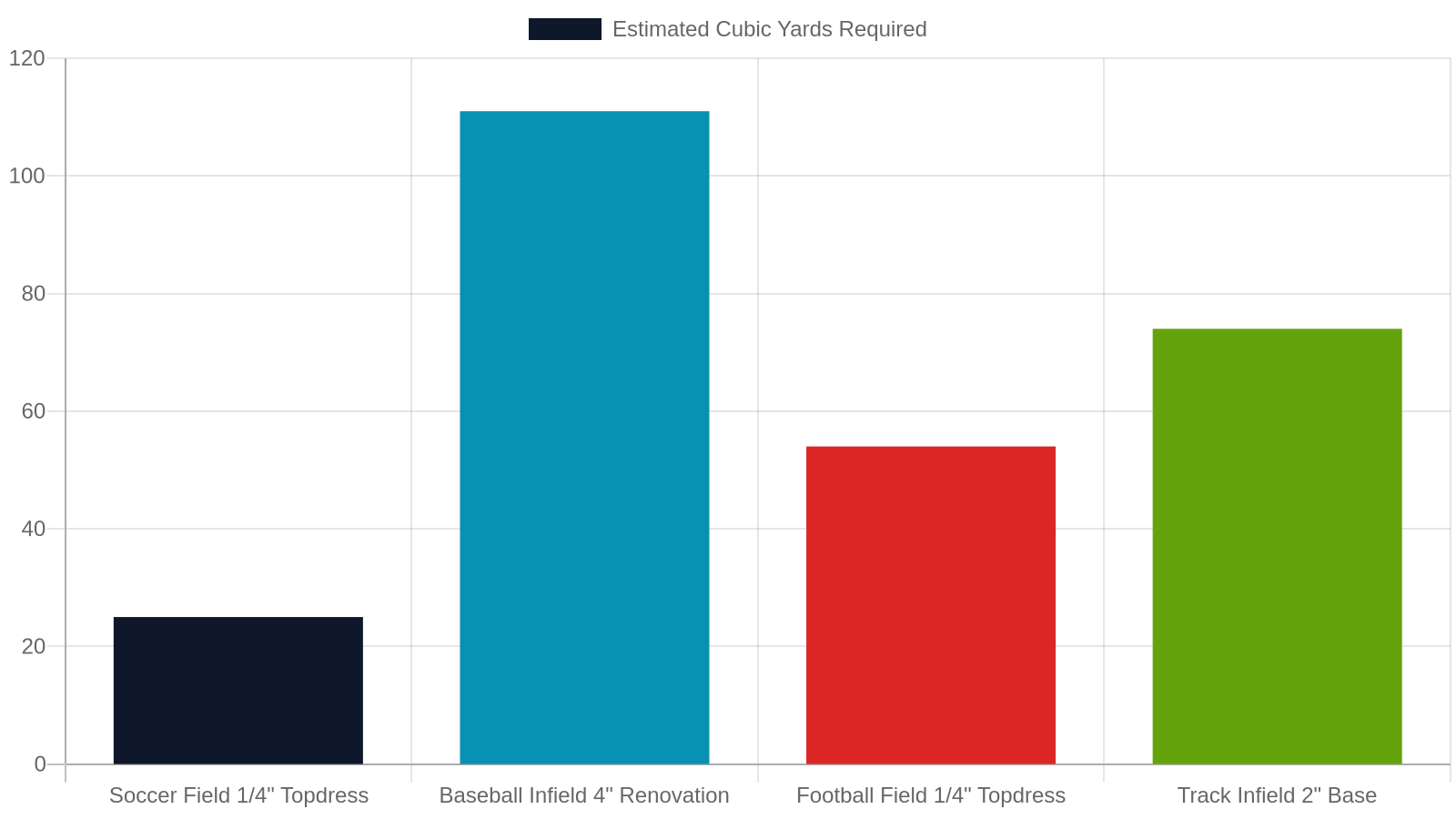
Estimating sand volume for a rectangular field is straightforward: Length (ft) × Width (ft) × Depth (ft) ÷ 27 = Cubic Yards. For a standard high school soccer field (360 ft × 225 ft) with a 1/4-inch top dressing application, that works out to approximately 25 cubic yards per application. A full 4-inch renovation of a baseball infield (roughly 95 ft × 95 ft skinned area) would require approximately 111 cubic yards.
These numbers change significantly based on field shape, existing grade, and whether you’re doing a light maintenance application or a deep renovation. Use Jackson Sand’s free yardage calculator to get a project-specific estimate before you call for a quote — it saves time on both ends of the conversation.
Tons vs. Cubic Yards: Understanding the Difference
Sand is sold by weight (tons) or volume (cubic yards) depending on the supplier and application. The conversion varies by material density, but a useful rule of thumb for most athletic field sands is 1 cubic yard ≈ 1.35 tons. So 25 cubic yards of top dressing sand equals roughly 34 tons.
When comparing quotes from different suppliers, make sure you’re comparing the same unit. A quote in cubic yards and a quote in tons for the same job can look very different on paper even when the actual material cost is similar. Ask your supplier to confirm which unit their pricing uses and convert accordingly before making a decision.
8. What to Look for in a Mid-South Sand Supplier
Not all sand suppliers are equal, and the differences matter more than most field managers realize until something goes wrong. Choosing a supplier based solely on the lowest per-ton quote is a common mistake — one that often leads to inconsistent product, missed deliveries, and field performance problems that cost far more to fix than the money saved upfront. Here’s what to look for when evaluating suppliers in the Mid-South.
Lab-Tested Specs vs. 'Trust Me' Sand
Any reputable sand supplier serving athletic fields should be able to hand you a lab-tested particle size analysis for every product they sell. This document — sometimes called a sieve analysis or gradation report — shows exactly what percentage of the sand falls into each particle size range. It’s the difference between knowing what you’re getting and hoping for the best.
Suppliers who mix their own sand on premises have a significant advantage here: they control the input materials and the blending process, which means they can maintain consistent specs batch to batch. When you order athletic field sand in March and again in August, you want the same product both times. Inconsistent sand is one of the leading causes of uneven field surfaces and drainage problems that develop gradually and expensively.
Owned Trucks vs. Contracted Haulers
Suppliers who own and operate their own delivery trucks offer two advantages: cleaner loads and more reliable scheduling. When a supplier contracts out to a third-party hauler, there’s always a risk that the truck carried a different material on its last run — introducing contamination that can affect drainage performance and turf health. Owned trucks, operated by the supplier’s own team, eliminate that risk.
Scheduling reliability matters too. A field renovation timed to a narrow weather window — say, a week between spring rains — can be derailed if a contracted hauler bumps your delivery for a higher-priority customer. Suppliers with their own fleet have more control over their delivery calendar and can prioritize your project accordingly.
Recreational Field Sand Products at a Glance
Use this table to quickly match your field application to the right sand product and understand how each option compares on key performance and cost factors.
9. Special Considerations for Schools, Parks, and Municipal Fields

Schools, parks departments, and municipal recreation facilities face a unique set of constraints when purchasing bulk sand: tight budgets, procurement rules, safety obligations, and the reality that their fields serve hundreds or thousands of young athletes every year. A few planning steps upfront can make the purchasing process smoother and the outcome better for everyone who uses those fields.
Budget Cycles and Procurement Requirements
Public schools, parks and recreation departments, and municipal facilities often operate on fiscal-year budget cycles with procurement rules that require competitive quotes or approved vendor lists. Planning your sand purchases to align with your budget cycle — rather than reacting to field damage mid-season — gives you time to get proper quotes, complete any required procurement steps, and schedule delivery during an optimal maintenance window.
Some public agencies also qualify for cooperative purchasing agreements that can simplify the vendor selection process. Check with your purchasing department to understand what documentation a supplier needs to be considered for your approved vendor list.
Safety Standards and Field Certification
For fields used by youth athletes, the sand specification isn’t just a performance question — it’s a safety question. Poorly drained fields increase the risk of slips and falls; hard, compacted surfaces increase impact injury risk; inconsistent infield texture creates unpredictable ball bounces that can injure fielders. Using a verified-spec sand that meets or exceeds ASTM or USGA guidelines demonstrates due diligence and supports any field safety certification process your facility may undergo.
Keeping records of your sand purchases — including the supplier’s lab-tested spec sheets — creates a paper trail that documents your maintenance practices. This documentation can be valuable if a field-related injury claim ever arises.
10. Drainage Materials: The Investment That Multiplies Your Sand's Value
Sand alone doesn’t solve drainage problems — it works in partnership with a properly designed drainage system. For field managers in West Tennessee, where heavy clay soils and intense summer rain events are facts of life, drainage materials deserve a line item in every renovation budget. Skipping this step is one of the most expensive mistakes a field manager can make.
Surface Drainage vs. Subsurface Drainage
Surface drainage — the slope and grading of the field itself — is the first line of defense against standing water. A properly graded field sheds water toward perimeter drains or natural low points, preventing the pooling that saturates the root zone and makes fields unplayable. Grading work is typically done once during a renovation and lasts for years if the field is maintained properly.
Subsurface drainage — French drains, drainage basins, and perimeter drain systems — handles water that infiltrates the surface and needs a path out of the soil profile. In West Tennessee’s clay-heavy soils, subsurface drainage is often the difference between a field that recovers in two hours and one that’s still soggy two days after a storm. The aggregate used in these systems needs to be sized correctly to allow water movement without clogging over time.
Seepage Drainage and Drainage Basins
Seepage drainage systems use permeable aggregate to create a slow, controlled path for water to move through the soil profile and away from the root zone. Drainage basins collect surface runoff at low points and channel it away from the field. Both systems require specific aggregate gradations to function correctly — and both represent investments that dramatically extend the useful life of your sand profile and your turf.
When budgeting a field renovation, it’s worth getting a drainage assessment alongside your sand quote. Putting premium athletic field sand over a drainage system that can’t move water is like painting a car with a broken engine — the surface looks fine until the first hard rain.
11. Mulch and Gravel: Rounding Out Your Recreational Field Materials Budget
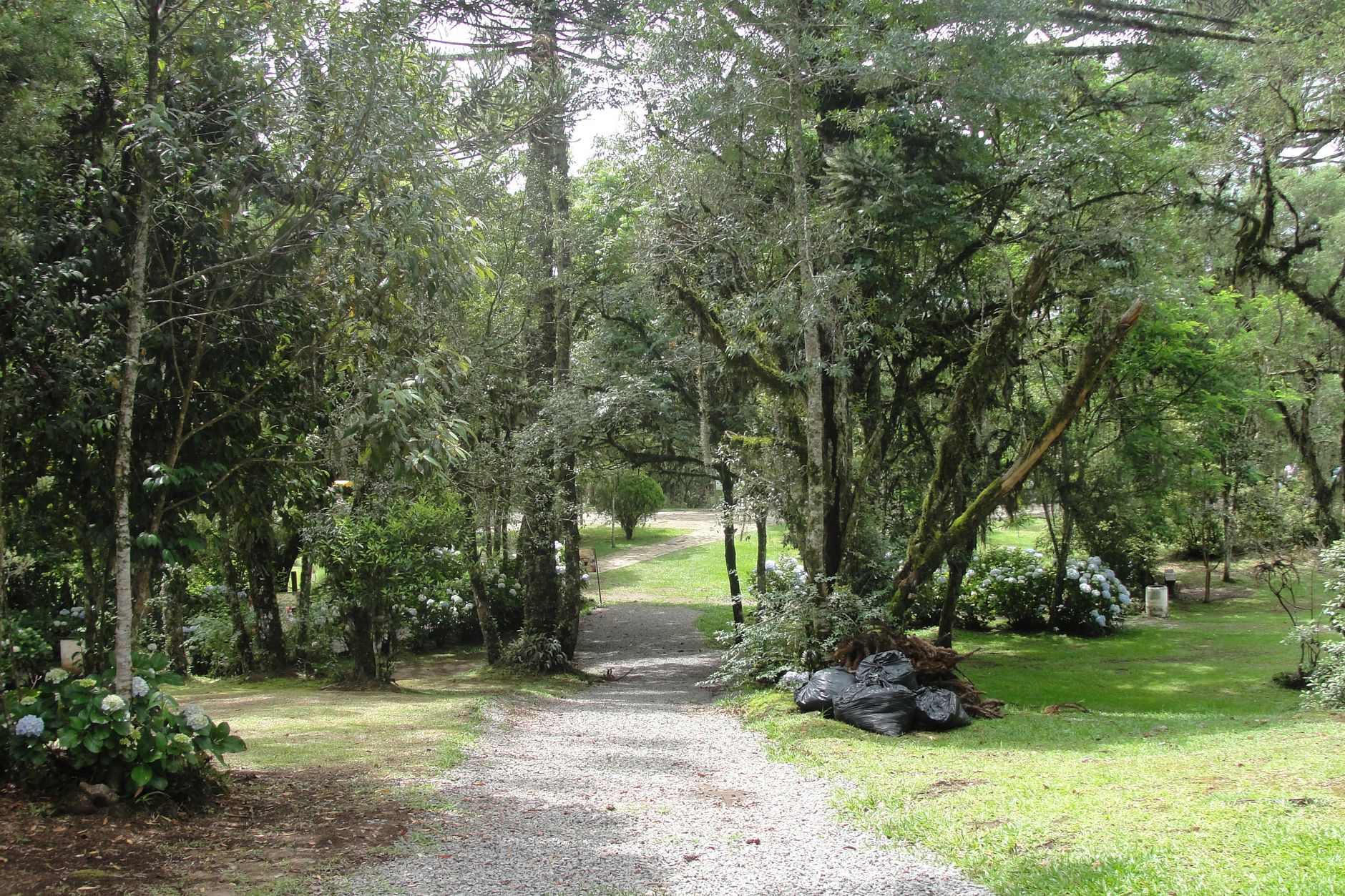
A complete recreational field materials budget often extends beyond sand to include gravel, drainage aggregate, and mulch. Managing these as a package — from a single local supplier who can coordinate delivery — simplifies your planning and often reduces total cost compared to sourcing each material separately from different vendors.
Gravel for Parking, Paths, and Utility Areas
Athletic field projects rarely involve just the playing surface. Parking areas, service roads, concession pads, and walking paths all need stable base materials — and gravel is typically the most cost-effective solution. Ordering gravel and sand from the same supplier on the same delivery schedule consolidates your vendor relationships, simplifies invoicing, and can reduce per-load delivery costs when materials are combined into a single trip.
Mulch for Playgrounds and Landscaping
Parks and recreation facilities often need mulch for playground safety surfaces, landscaping beds around field perimeters, and erosion control on slopes adjacent to fields. Like sand and gravel, mulch is a bulk material that benefits from local sourcing and reliable delivery. Coordinating mulch orders with sand and aggregate deliveries reduces the number of vendor contacts you have to manage and keeps your facility maintenance calendar simpler.
Ready to Get a Quote for Your Recreational Field Project?
Whether you’re planning a full field renovation, scheduling your first top dressing of the season, or just trying to understand what bulk sand delivery will cost for your recreational facility in Jackson or anywhere across West Tennessee, the best next step is a direct conversation with a supplier who knows the Mid-South market. Here’s how to make that conversation as productive as possible.
What to Have Ready When You Call
Getting an accurate quote goes faster when you come prepared. Before you call, have these details ready:
- Field dimensions (length × width, or total square footage)
- Desired application depth (e.g., 1/4-inch top dressing, 4-inch renovation base)
- Sport and surface type (baseball infield, soccer turf, football sidelines, etc.)
- Site access details (gate width, road surface, any overhead obstructions)
- Preferred delivery window (season start, post-season renovation, specific date range)
If you’re not sure about the right sand spec for your application, that’s fine — a knowledgeable supplier can help you work through it. The more context you can provide about how the field is used and what problems you’re trying to solve, the better the recommendation you’ll get.
Jackson Sand: Serving West Tennessee and the Mid-South
Jackson Sand LLC has been supplying sand, aggregate, and field maintenance materials to golf courses, schools, parks departments, and contractors across West Tennessee and the surrounding Mid-South. They mix their own sand on premises, deliver in their own trucks, and include delivery in their service — which means cleaner loads, consistent specs, and no third-party surprises on your invoice.
Whether you’re managing a single school baseball field or a multi-field athletic complex, explore the full range of athletic field sand and services from Jackson Sand to find the right product for your project. For questions about specific products, quantities, or scheduling, call 731-668-0440 — the team at Jackson Sand is ready to help you build a better field.
Frequently Asked Questions
How much does bulk sand delivery cost for an athletic field in West Tennessee?
Bulk sand delivery costs vary based on volume, sand type, haul distance, and whether spreading services are included. There is no single price that fits every project — the best approach is to calculate your yardage, confirm your sand spec, and contact a local supplier like Jackson Sand at 731-668-0440 for a project-specific quote.
How many cubic yards of sand do I need for a baseball infield renovation?
A standard high school baseball infield skinned area (roughly 95 ft × 95 ft) at a 4-inch renovation depth requires approximately 111 cubic yards of sand. Use the Jackson Sand yardage calculator at jacksonsand.com/yardage-calculator/ for a precise estimate based on your field's actual dimensions.
What is the difference between athletic field sand and top dressing sand?
Athletic field sand has a coarser particle size (0.5–2.0 mm) and is used for renovation-level applications and infield construction. Top dressing sand is finer (0.25–0.75 mm) and is applied in thin layers for ongoing surface leveling and post-aeration fill. Using the wrong type can cause drainage problems or an unstable playing surface.
Does Jackson Sand deliver to schools and parks departments in West Tennessee?
Yes. Jackson Sand serves large and small jobs across West Tennessee and the surrounding Mid-South, including schools, parks and recreation departments, and municipal athletic facilities. Delivery is included in their service, and they deliver in their own trucks to ensure clean, consistent loads.
How do I know if a sand supplier's product meets spec for my athletic field?
Ask for a lab-tested particle size analysis (sieve analysis) for the specific product you're ordering. A reputable supplier should be able to provide this documentation for every product they sell. You can review Jackson Sand's tested sand specs at jacksonsand.com/sand-specs/.
How often should I top dress a recreational athletic field?
Top dressing frequency depends on field usage level. Low-use fields typically need one application per year; moderate-use fields benefit from two applications; high-use and tournament fields may need four to five applications annually. Pairing top dressing with aeration maximizes the benefit of each application.