

What Type of Sand Is Used in Golf Course Bunkers? Your 9-Point Guide
Quick answer: Golf course bunkers are filled with a specific type of washed, angular or sub-angular silica sand that meets tight particle-size specifications — typically between 0.25 mm and 1.0 mm in diameter. The sand must resist compaction, drain quickly (ideally 15–20 inches per hour), stay in place during rain, and feel consistent underfoot. USGA guidelines provide the most widely used performance benchmarks. Jackson Sand mixes and supplies lab-tested bunker sand from Jackson, TN, delivering to golf courses throughout West Tennessee and the Mid-South.
1. Why Bunker Sand Is Nothing Like Regular Sand

Walk into any hardware store and you will find bags labeled simply “sand.” Buy a truckload for a golf bunker and you will likely regret it by the end of the first rainy week. Bunker sand is a specialized product engineered to meet specific physical and chemical standards that ordinary sand never has to satisfy. Understanding why starts with understanding what a bunker actually has to do.
The Performance Demands of a Bunker
A golf course bunker is not just a decorative hazard — it is a precisely engineered playing surface that must behave predictably every single time a ball lands in it. Superintendents need sand that stays where it is raked, drains after a heavy rain, and does not compact into a concrete-like surface that injures wrists or makes recovery shots impossible.
- Playability: The ball should plug or sit consistently depending on the shot, not behave differently in every corner of the bunker.
- Drainage: Standing water in a bunker leads to closures, player complaints, and turf damage at the bunker face.
- Stability: Sand that migrates or washes away during storms means constant, expensive replenishment.
How Bunker Sand Differs from Construction or Play Sand
Construction sand is graded for compaction strength — exactly the opposite of what a bunker needs. Play sand sold at hardware stores is often too fine, too round, and too variable in quality. Bunker sand sits in a narrow performance window defined by particle size, shape, angularity, and chemical composition. Using the wrong material leads to crusting, contamination, and drainage failure within a single season.
2. The USGA Recommendations: The Industry Standard

The USGA’s Course Care program has been refining its sand recommendations since the 1960s. Today, those recommendations are referenced by golf course architects, superintendents, and sand suppliers worldwide. Even courses that do not formally submit to USGA certification typically use its guidelines as a baseline because they represent decades of real-world performance data.
What the USGA Actually Specifies
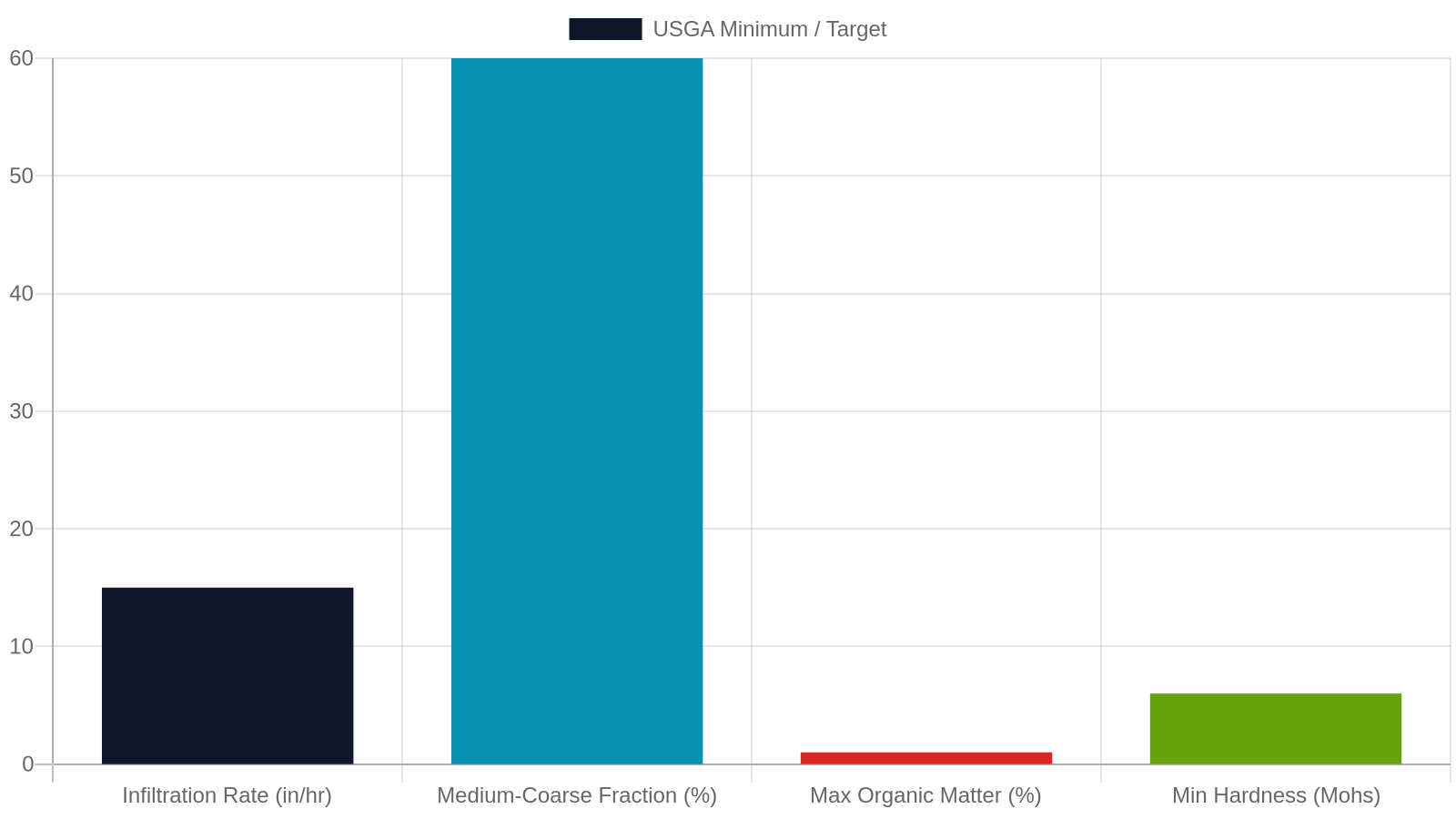
The United States Golf Association publishes detailed recommendations for bunker sand that have become the de facto standard across the industry. Their criteria cover particle size distribution, infiltration rate, hardness, and resistance to breakdown. Key benchmarks include:
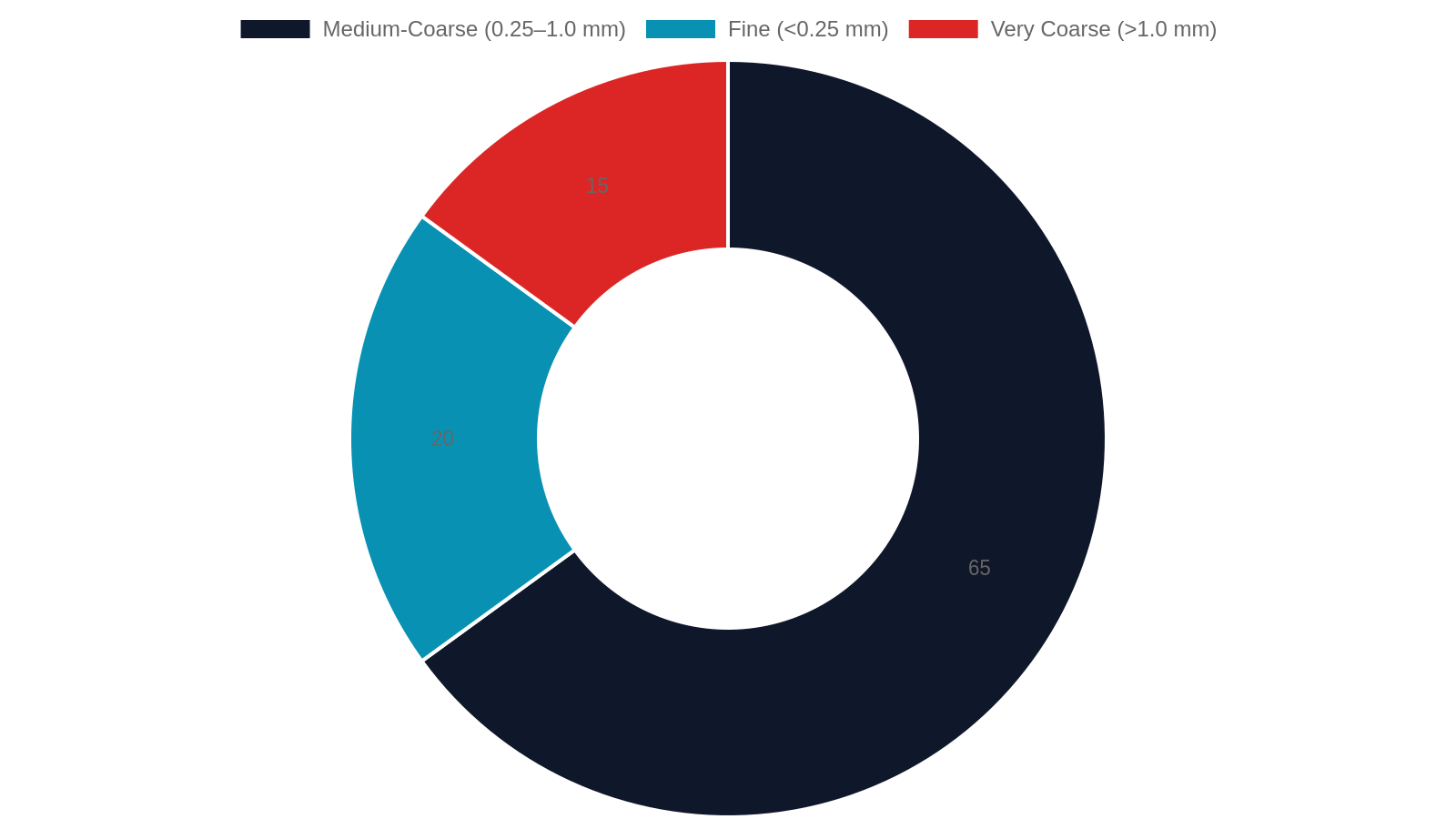
- Particle size: At least 60% of particles should fall between 0.25 mm and 1.0 mm (medium to coarse sand).
- Infiltration rate: A minimum of 15 inches per hour is recommended, with 20 inches per hour or more considered ideal.
- Organic matter: Should remain below 1% to prevent crusting and contamination.
- Hardness (Mohs scale): Particles should rate 6 or higher to resist breakdown under foot traffic and equipment.
Why Labs Test Bunker Sand
Lab testing is the only way to verify that a sand product actually meets USGA or course-specific standards before it goes into the ground. A visual inspection cannot reveal particle-size distribution, infiltration rate, or the percentage of fine particles that will eventually clog drainage. Jackson Sand publishes lab-tested spec sheets so superintendents can review the data before ordering — visit the sand specs page to see the technical details for each product.
3. Particle Size: The Most Critical Specification

If there is one specification that separates acceptable bunker sand from excellent bunker sand, it is particle size distribution. Everything else — drainage rate, compaction resistance, playability — flows downstream from getting the particle size right. Superintendents who understand this specification can evaluate any sand product intelligently, rather than relying on a supplier’s marketing language alone.
The Particle Size Scale Explained
Sand is classified by particle diameter using the Wentworth scale and USDA soil texture system. For bunker applications, the relevant range spans very fine sand (0.10–0.25 mm) through coarse sand (0.50–1.0 mm). Most high-performing bunker sands target the medium-to-coarse range:
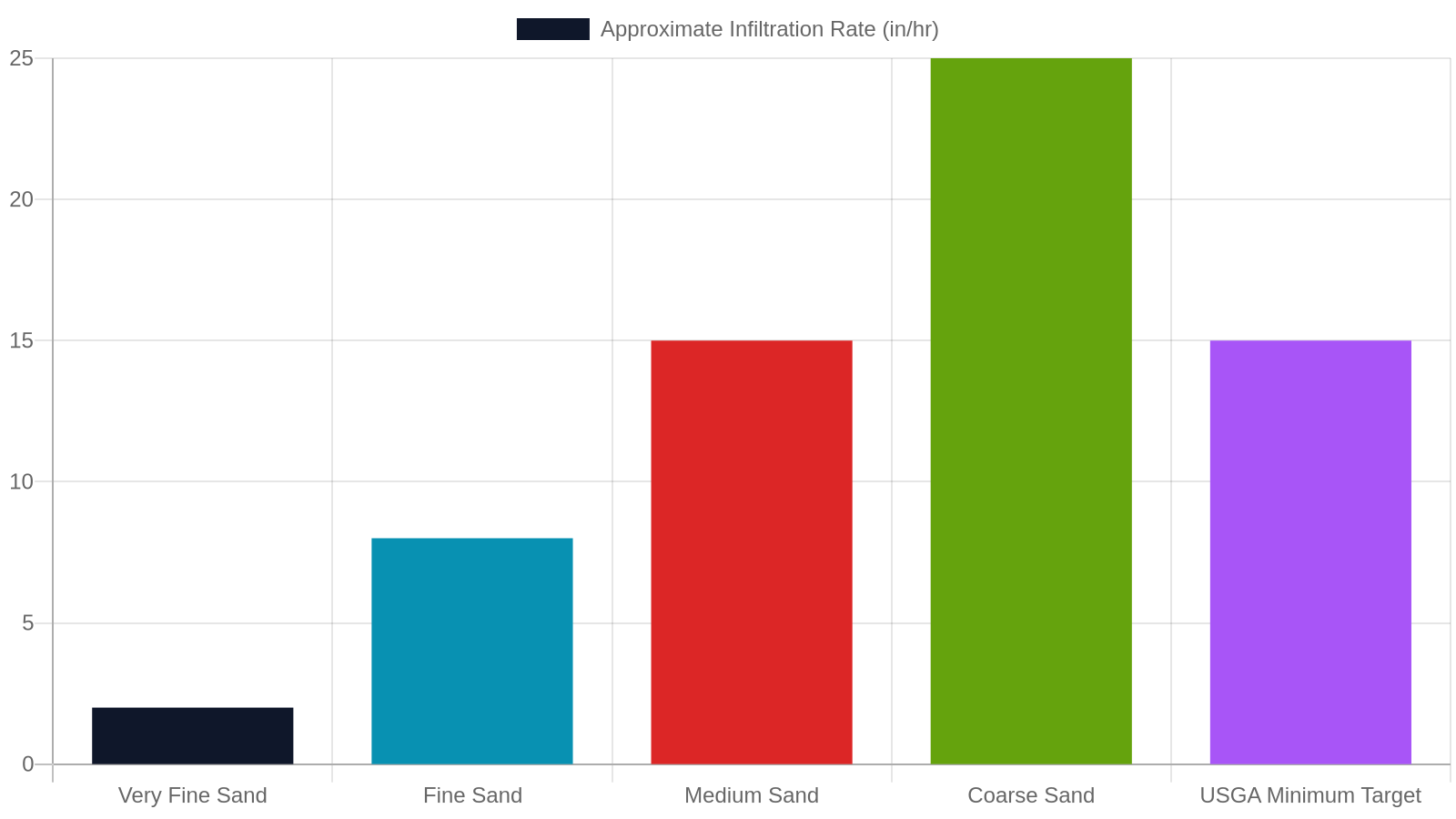
- Very fine sand (0.10–0.25 mm): Too small — compacts easily, drains poorly, blows in wind.
- Fine sand (0.25–0.50 mm): Acceptable lower end; some bunker mixes include this range.
- Medium sand (0.25–0.50 mm): Core of most USGA-compliant bunker mixes.
- Coarse sand (0.50–1.0 mm): Excellent drainage; can feel coarser underfoot but resists compaction well.
- Very coarse sand (1.0–2.0 mm): Too large for most bunker faces; used in drainage layers.
What Happens When Particle Size Is Wrong
Too many fine particles and the bunker face crusts after rain, water pools at the bottom, and the sand compacts so hard that a ball barely plugs at all. Too many coarse particles and the sand shifts underfoot, the bunker loses its shape between rakes, and the surface can actually injure players who swing aggressively into a firm base. The sweet spot is a well-graded mix where the majority of particles sit in the 0.25–1.0 mm window with very little material above or below that range.
4. Particle Shape: Angular vs. Round Sand

Particle shape is often overlooked by buyers who focus exclusively on size, but shape has a direct impact on how a bunker plays, how it drains, and how much maintenance it demands. The difference between angular and rounded sand is visible under a loupe and measurable in the field — and it shows up in your maintenance budget over time.
Why Angularity Matters for Bunker Performance
Particle shape is the second most important physical characteristic of bunker sand. Angular and sub-angular particles interlock with one another when raked or walked on, which gives the bunker face stability and helps the surface hold its shape between maintenance visits. Rounded particles — like those found in river sand or beach sand — roll over each other freely, which sounds appealing but actually creates an unstable, shifting surface that is difficult to play from and hard to maintain.
- Angular sand: Locks together, holds bunker face shape, resists migration during rain.
- Sub-angular sand: The most common choice — a balance of stability and playability.
- Rounded sand: Flows freely, migrates easily, harder to maintain consistent lie.
The Fried Egg Problem
Rounded sand is often blamed for the “fried egg” lie — where a ball plugs deeply into the center of its own impact crater rather than sitting up cleanly. While lie behavior depends on many factors including moisture and depth, highly rounded sands tend to allow balls to sink more dramatically than angular sands of the same particle size. Most USGA-aligned specifications call for sub-angular to angular particles to reduce extreme plugging while still allowing the bunker to play as a legitimate hazard.
5. Drainage: The Spec That Saves You the Most Money
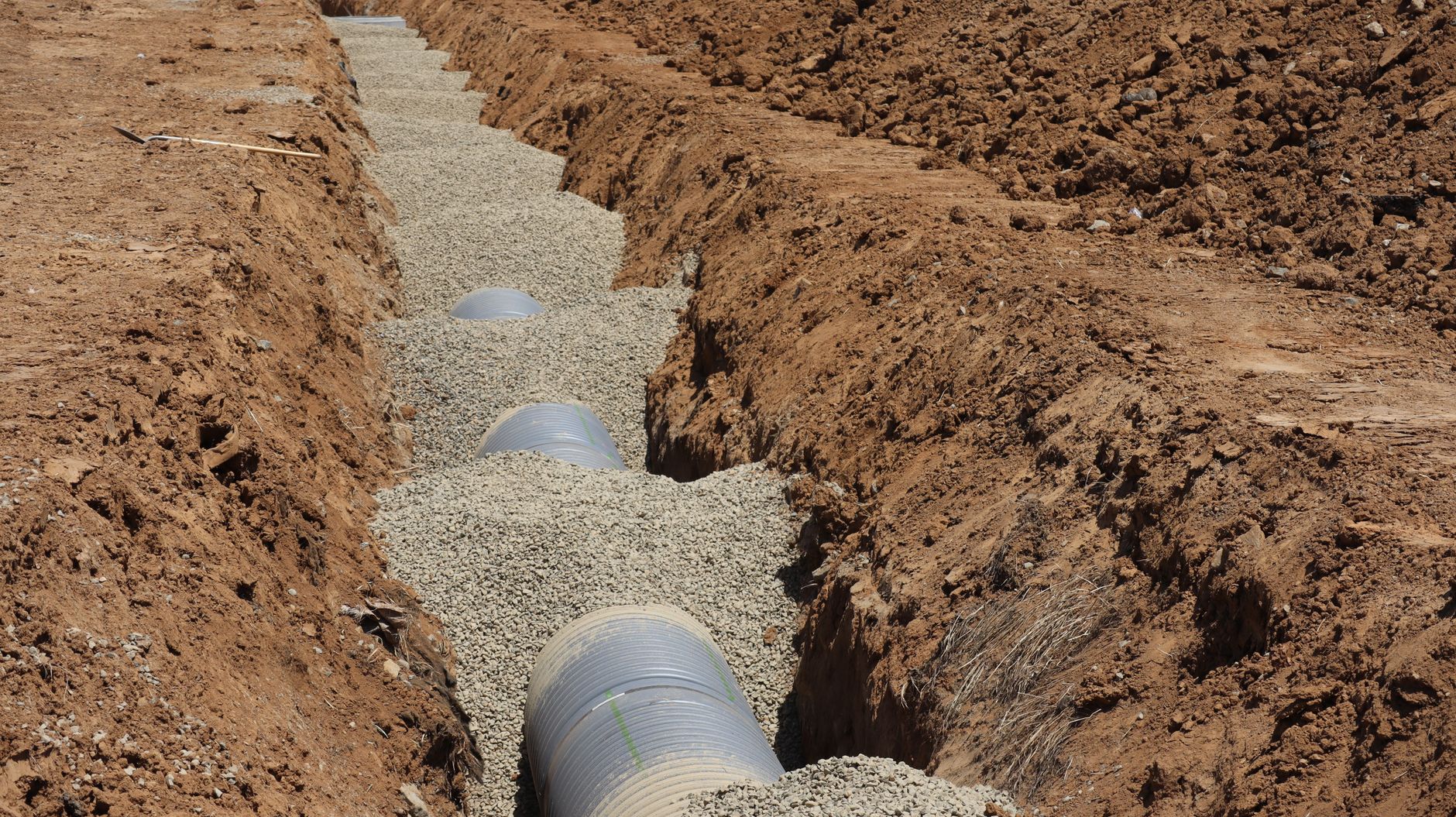
Poor drainage is the number-one reason golf course bunkers fail to perform as designed. A bunker that holds water after rain forces closures, frustrates players, and accelerates contamination of the sand with organic matter from the surrounding turf. Getting drainage right starts with choosing a sand that moves water efficiently — and that means knowing the infiltration rate before you order.
Infiltration Rate and What It Means Practically
Infiltration rate measures how quickly water moves through a column of sand, expressed in inches per hour. A bunker sand with an infiltration rate of 20 inches per hour will drain a 1-inch rainfall event in about three minutes through the sand itself — meaning the bunker can reopen quickly after a storm if the underlying drainage system keeps pace. A sand with an infiltration rate of 5 inches per hour may leave the bunker unplayable for hours or even days after the same storm.
USGA guidelines recommend a minimum of 15 in/hr, with many high-performance bunker sands exceeding 20 in/hr. Jackson Sand’s products are lab-tested so you know the infiltration rate before the first truck arrives.
Layering and the Perched Water Table Problem
One drainage issue that catches many superintendents off guard is the perched water table effect. When a fine-particle sand sits on top of a coarser drainage layer, water can actually resist moving downward until the upper layer is completely saturated — a phenomenon called capillary barrier. Choosing a bunker sand whose particle size is compatible with the underlying drainage aggregate is essential to avoiding this problem. This is another reason lab-tested spec sheets matter: you can verify particle size compatibility between layers before installation.
6. Chemical Composition: Silica, Limestone, and Contamination
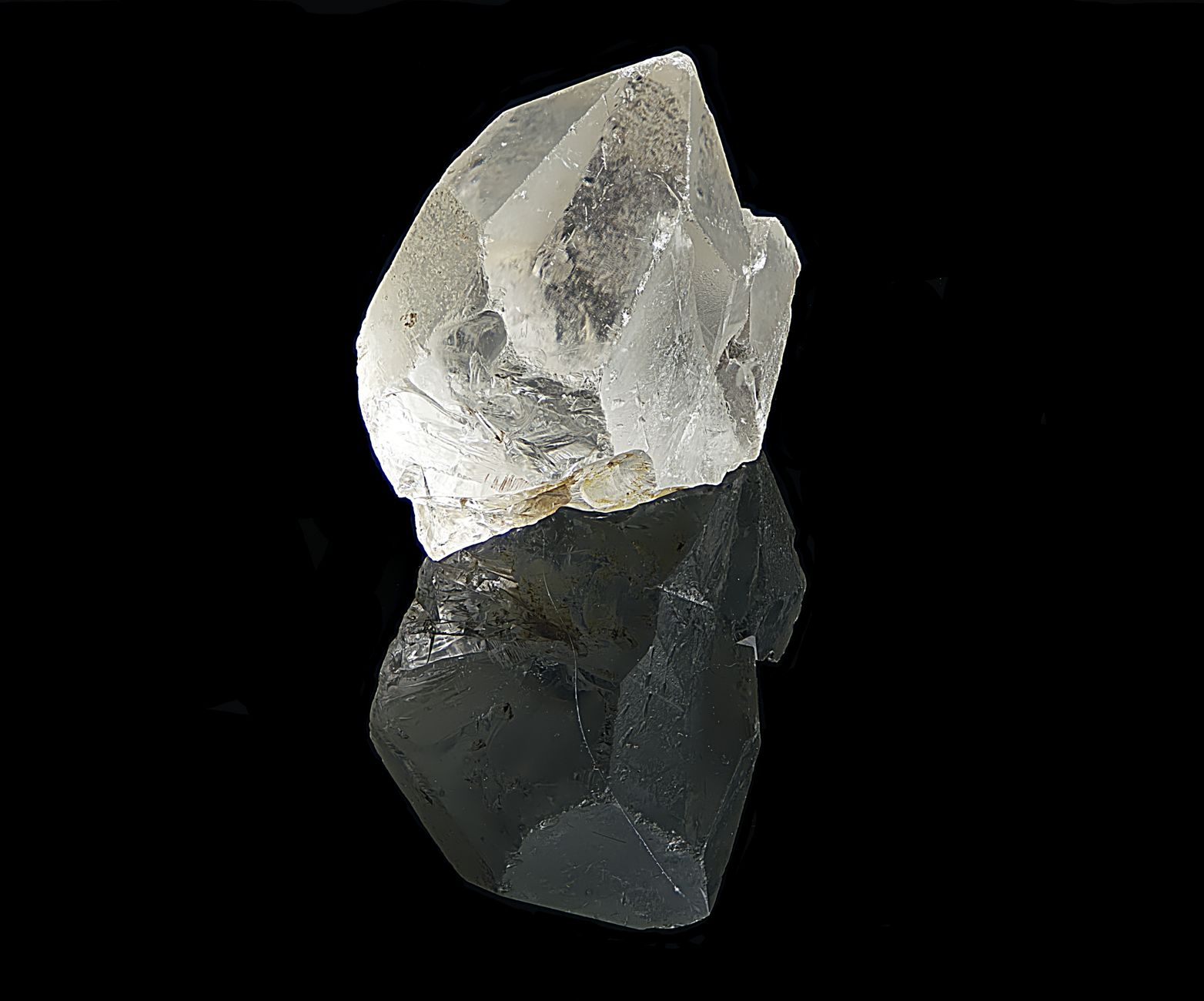
The mineral makeup of bunker sand affects not just how it plays today but how it holds up over years of traffic, weather, and maintenance. Choosing a chemically stable, hard-wearing material is an investment in lower long-term maintenance costs — and it starts with knowing what is actually in the sand you are buying.
Why Silica Sand Is the Preferred Base Material
Most high-quality bunker sands are silica-based — composed primarily of silicon dioxide (SiO₂). Silica is chemically inert, which means it does not react with soil amendments, fertilizers, or water to change pH or introduce unwanted minerals into the turf root zone. It is also extremely hard (7 on the Mohs scale), so particles resist breaking down under foot traffic and equipment passes, maintaining their size and shape over multiple seasons.
- Silica sand: Chemically neutral, hard, long-lasting — the preferred choice for most bunker applications.
- Limestone-based sand: Softer, breaks down faster, can raise soil pH over time — generally not recommended for bunkers.
- Mixed-mineral sands: Variable performance; require lab verification before use.
Contamination: The Silent Bunker Killer
Over time, organic matter from grass clippings, leaves, and decomposing turf accumulates in bunker sand. As organic content climbs above 1–2%, the sand begins to crust, drainage slows, and the surface becomes inconsistent. This is why bunker sand replacement or deep renovation is a recurring maintenance task at most courses — typically every 5 to 10 years depending on traffic and maintenance practices. Starting with a clean, low-organic-content sand extends the interval between full renovations.
7. Color and Aesthetics: More Than Just Looks
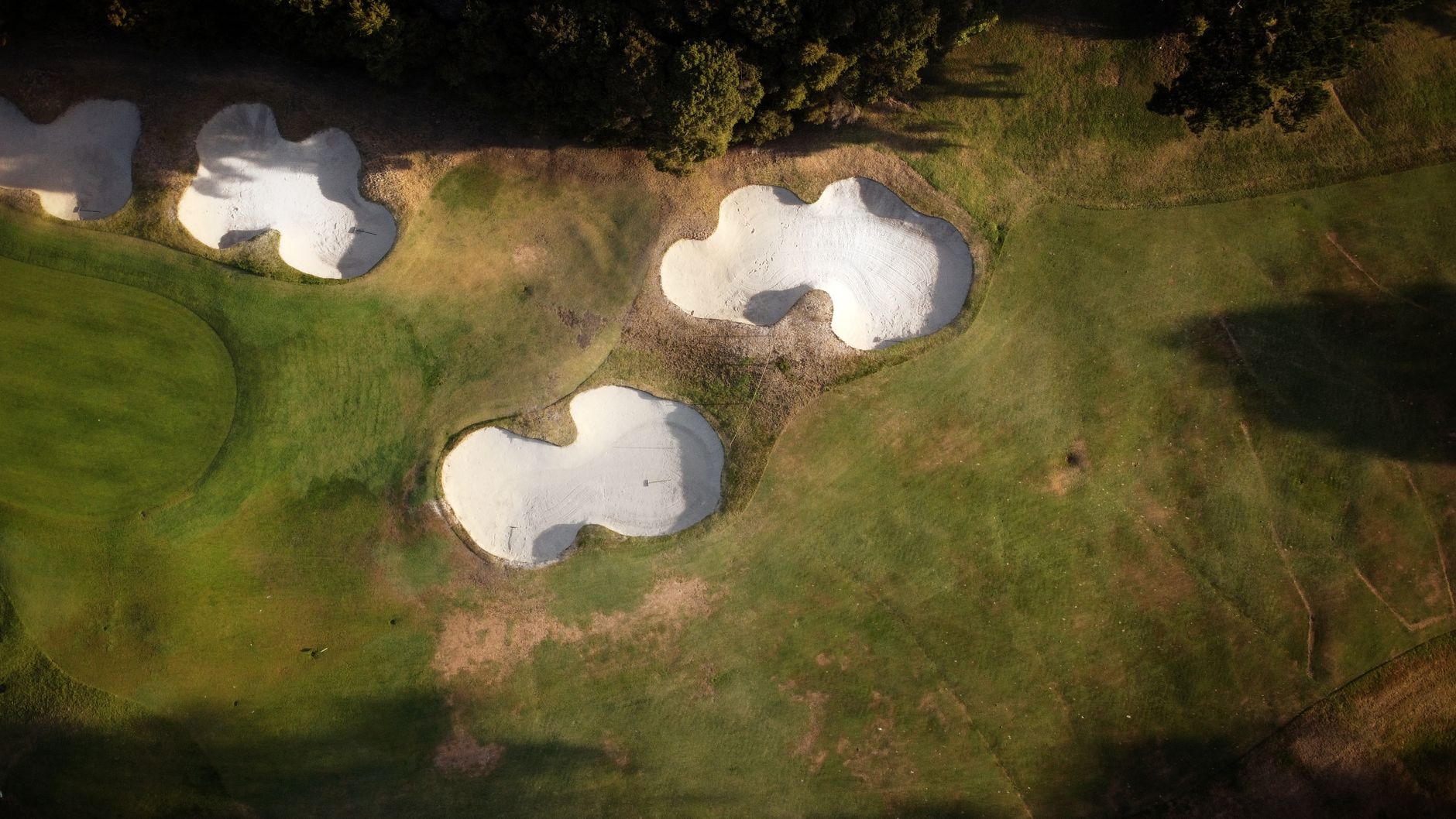
When a golfer or a television camera looks at a bunker, sand color is the first thing they notice. Aesthetics matter — especially for courses that host tournaments or rely on visual appeal to attract members and green-fee players. But color should never be chosen at the expense of performance specifications. The good news is that the best-performing silica sands also tend to be the most visually striking.
How Sand Color Affects Course Presentation
Bright white bunker sand photographs beautifully and creates strong visual contrast against green fairways — which is why it has become the dominant aesthetic at premier courses. However, color is not purely cosmetic. Very bright white sand can create glare on sunny days that makes it difficult for players to judge depth and distance. Some courses intentionally choose off-white or light tan sands to reduce glare while still maintaining a clean, professional appearance.
Regional Sand Color Variations
Sand color varies by region based on the mineral composition of local deposits. In the Mid-South and West Tennessee area, available sands range from bright white silica to light tan and buff tones. The right choice depends on the course’s aesthetic goals, the surrounding landscape, and how the sand photographs for marketing materials. Jackson Sand can discuss color options alongside performance specifications so courses in the Jackson, TN area get both the look and the performance they need.
Bunker Sand vs. Other Sand Types: 6-Point Comparison
Not all sand is interchangeable. This table compares the key performance attributes of bunker sand against other common sand types used in golf and construction applications.
8. Bunker Sand vs. Top Dressing Sand: Understanding the Difference

Golf course sand is not a single product — it is a family of products, each engineered for a specific application. Bunker sand and top dressing sand share a category name but serve very different purposes, and mixing them up leads to poor results in both applications. Understanding the distinction helps superintendents and procurement managers order confidently and avoid expensive corrections.
Top Dressing Sand: A Different Job Entirely
Top dressing sand is applied to putting greens, fairways, and tees to smooth the surface, dilute thatch, and improve soil structure. It must be fine enough to work down through the turf canopy without smothering the grass — typically in the 0.25–0.50 mm range, finer than most bunker sands. Using bunker sand as top dressing or vice versa is a common and costly mistake. The particle sizes that make bunker sand drain well and stay stable make it too coarse to settle into a putting green surface without damaging the turf.
When to Use Each Product
Bunker sand goes into hazard areas where playability, drainage, and stability are the priorities. Top dressing sand goes onto maintained turf surfaces where the goal is to improve soil profile and surface smoothness without disrupting play. Jackson Sand supplies both — see the top dressing services page for details on how top dressing programs work and what materials are used. Ordering the right product for each application is the first step toward getting the results you expect.
9. How Jackson Sand Sources, Mixes, and Delivers Bunker Sand
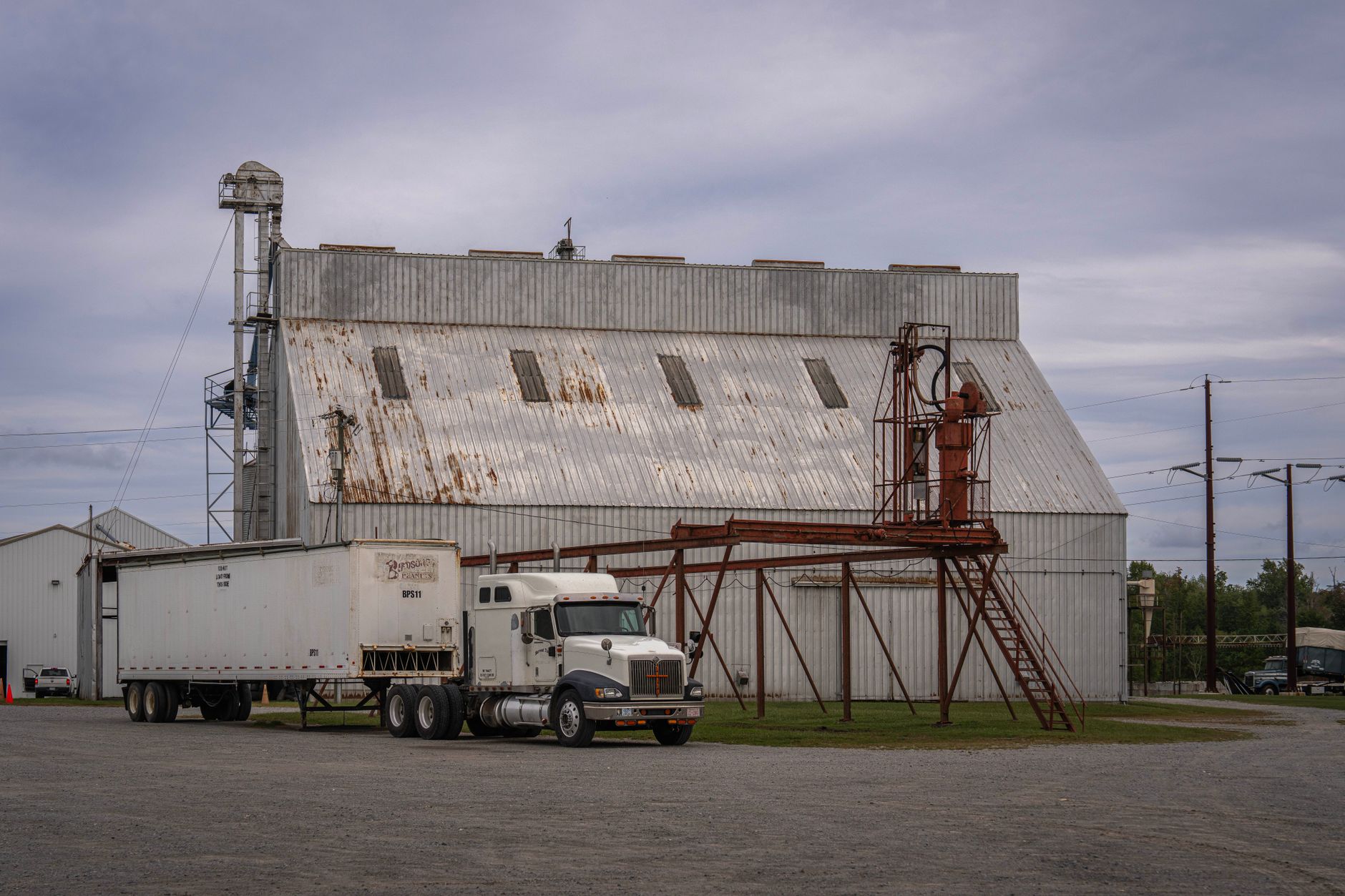
Knowing what type of sand a bunker needs is only half the equation — the other half is finding a supplier who can actually deliver that sand consistently, cleanly, and at the right volume. Jackson Sand has been serving golf courses and turf professionals across West Tennessee with exactly that kind of reliable supply. Here is how the process works from order to delivery.
Mixed on Premises for Consistency
Jackson Sand mixes its bunker sand on-site at 139 United Dr., Jackson, TN using high-quality raw materials. Mixing on premises — rather than blending in the field or reselling a third-party product — means every load meets the same specification. There are no batch-to-batch surprises, no contamination from shared equipment, and no guessing about what is actually in the truck. Superintendents who have dealt with inconsistent sand deliveries from other suppliers understand exactly why this matters.
Own Trucks, Clean Loads, Included Delivery
Jackson Sand owns and operates its own delivery trucks. That means loads stay clean from the mixing pad to the bunker — no cross-contamination from hauling other materials, and no third-party logistics delays. Delivery is included with orders, serving golf courses and athletic facilities throughout West Tennessee and the surrounding Mid-South. Whether you need a single bunker refreshed or a full course renovation, Jackson Sand can scale the delivery to match the job.
Use the free yardage calculator on the Jackson Sand website to estimate how much sand your project requires before you call — it takes the guesswork out of ordering and helps avoid costly over- or under-ordering.
Lab-Tested Spec Sheets Available
Every bunker sand product Jackson Sand offers comes with lab-tested specification data. Superintendents can review particle size distribution, infiltration rate, and other key metrics before placing an order. This level of transparency is especially important for courses that must document their sand specifications for USGA compliance, insurance purposes, or internal maintenance records. Call 731-668-0440 to speak with the team about which product best fits your course’s specific conditions and goals.
Ready to Order the Right Bunker Sand for Your Course?

You now have a clear picture of what separates high-performance bunker sand from ordinary fill material — particle size, shape, drainage rate, chemical composition, and consistent sourcing all play a role. The next step is putting that knowledge to work for your course or facility. Jackson Sand makes it straightforward: lab-tested products, transparent specs, and delivery included throughout West Tennessee and the Mid-South.
Start with the Specs, Then Make the Call
The best bunker sand decisions start with data, not guesswork. Review the lab-tested specifications, estimate your yardage using the free calculator, and then call the Jackson Sand team to confirm the right product for your course’s conditions. Whether you are renovating a single bunker or refreshing an entire 18-hole layout, the process is the same: get the specs right, get the quantity right, and get it delivered clean.
Explore the full details and place your order on the Jackson Sand bunker sand page — or call the team directly at 731-668-0440 to talk through your project. Jackson Sand serves golf courses, athletic facilities, contractors, and homeowners throughout Jackson, TN and the wider West Tennessee and Mid-South region.
Also Serving Athletic Fields and Drainage Projects
If your facility needs sand for athletic fields, drainage aggregate, gravel, or mulch in addition to bunker sand, Jackson Sand supplies those products as well — all mixed on premises and delivered in their own trucks. One call to 731-668-0440 can cover multiple project needs across your facility, simplifying procurement and ensuring consistent material quality across every application.
Frequently Asked Questions
What type of sand is used in golf course bunkers?
Golf course bunkers use washed, angular or sub-angular silica sand with a particle size primarily between 0.25 mm and 1.0 mm. The sand must meet performance standards for drainage (typically 15–20+ inches per hour), hardness, and low organic content. Most courses follow USGA guidelines when selecting bunker sand.
How deep should sand be in a golf course bunker?
The USGA recommends a minimum of 4 inches of sand in the base of a bunker and at least 2 inches on the faces. Many courses target 4–6 inches in the base to ensure adequate drainage and consistent playability. Depth can vary based on the bunker's design and the underlying drainage system.
How often do golf courses replace bunker sand?
Most golf courses perform a full bunker sand renovation every 5 to 10 years, depending on traffic levels, weather, and maintenance practices. Partial replenishment — adding sand to low spots or areas with migration — typically happens on a seasonal or annual basis.
Can I use regular sand from a hardware store in a golf bunker?
No. Hardware store play sand or construction sand is usually too fine, too round, or too variable in quality to meet bunker performance standards. It will compact, drain poorly, and degrade quickly. Golf course bunkers require sand that meets specific particle size, shape, and drainage specifications.
Does Jackson Sand deliver bunker sand to golf courses in West Tennessee?
Yes. Jackson Sand supplies lab-tested bunker sand to golf courses throughout West Tennessee and the surrounding Mid-South region. They mix sand on their own premises and deliver in their own trucks, with delivery included. Call 731-668-0440 to discuss your course's needs.
What is the difference between bunker sand and top dressing sand?
Bunker sand is coarser (0.25–1.0 mm) and angular, designed for drainage, stability, and playability in hazard areas. Top dressing sand is finer (0.25–0.50 mm) and applied to maintained turf surfaces like putting greens to improve soil structure. Using the wrong type in either application leads to poor results.