

Where to Buy Golf Course Sand in West Tennessee: Your Complete Sourcing Guide
Quick answer: Golf course superintendents and turf managers in West Tennessee can buy lab-tested golf course sand — including USGA-spec bunker sand, top dressing sand, and drainage aggregate — directly from Jackson Sand LLC in Jackson, TN (731-668-0440). Jackson Sand mixes its own sand on premises, publishes full spec sheets, and delivers in its own trucks, which keeps every load clean and accurately measured. They serve both large courses and small maintenance jobs throughout the Mid-South region.
1. Why the Source of Your Golf Course Sand Matters

Choosing the right sand supplier for your golf course is a decision that plays out on every hole, every round, and every maintenance cycle. The quality, consistency, and cleanliness of the sand you put into bunkers, greens, and fairways has a direct impact on playability, drainage performance, and turf health. Before you call the first number you find online, it’s worth understanding what separates a purpose-built golf course sand supplier from a general aggregate yard.
Particle Size and Consistency Are Non-Negotiable
Golf course sand isn’t just any sand you’d find at a construction site. The particle size distribution — the proportion of coarse, medium, and fine grains — directly controls how water moves through a bunker or rootzone, how firm or soft the surface plays, and how quickly the turf recovers after maintenance. The USGA recommends a specific particle size range for putting green rootzones and bunker liners, and deviating from that range can cause compaction, poor drainage, or inconsistent ball lies that frustrate golfers and cost the course money in repairs.
When you buy from a supplier who mixes sand on premises and publishes lab-tested spec sheets, you know exactly what you’re getting before the truck arrives. That’s not a luxury — it’s basic quality control for any serious turf operation.
Cleanliness and Load Accuracy Affect Your Results
Contaminated sand — mixed with clay, organic matter, or incompatible aggregate from a poorly managed yard — can introduce drainage problems and disease pressure into a rootzone that took years to build. Load accuracy matters too: if you order 10 yards and receive 8, your bunker renovation or top dressing program is already off schedule before the crew lifts a shovel.
Suppliers who own their delivery trucks and control the loading process are better positioned to keep loads clean and correctly measured. This is one of the reasons many West Tennessee golf courses prefer to work with a local, vertically integrated supplier rather than sourcing through a broker or a general building-materials yard.
2. Types of Golf Course Sand You Actually Need
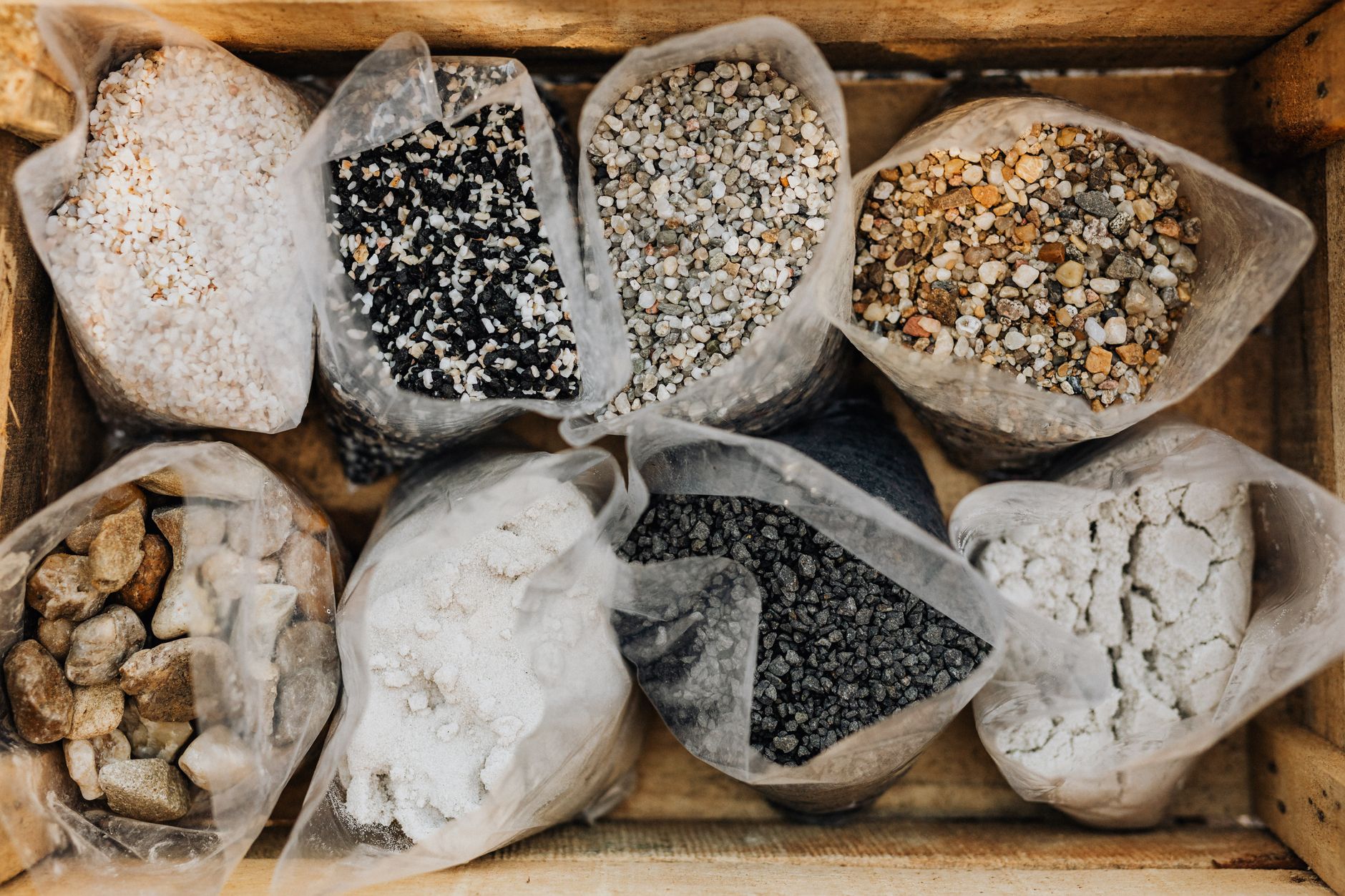
Golf courses in West Tennessee typically need several distinct sand products, each with its own performance requirements. Understanding the differences helps you order the right material for each application — and avoid the expensive mistake of using the wrong sand in the wrong place.
Bunker Sand: Playability and Drainage in One Product
Bunker sand is probably the most visible sand product on any course, and it’s the one golfers notice most. A good bunker sand needs to stay in place during rain events, resist crusting, provide a consistent lie, and drain quickly enough that the bunker is playable within hours of a storm. USGA guidelines call for a medium-coarse sand with an infiltration rate of at least 20 inches per hour for bunker liners. Particle angularity also matters — angular grains interlock and resist washout better than rounded grains.
Jackson Sand’s bunker sand is mixed on premises to meet these performance requirements, and spec sheets are available so your superintendent can verify the numbers before ordering.
Top Dressing Sand: Smoothness, Firmness, and Thatch Control
Top dressing sand is applied in thin layers — typically 1/8 to 1/4 inch — to putting greens and fairways to smooth the surface, dilute thatch, and improve firmness over time. Because it needs to work its way down through the turf canopy without smothering the grass, top dressing sand is usually finer and more uniform than bunker sand. Consistency from load to load is critical: if the particle size shifts between applications, you can create layering problems in the rootzone that restrict water movement for years.
For courses running a regular top dressing program — whether that’s monthly on greens or seasonal on fairways — having a reliable local supplier who can match the same spec every time is essential.
Drainage Aggregate and Rootzone Sand
Beyond bunkers and greens, golf courses consume significant volumes of coarse aggregate for drainage trenches, catch basins, and subsurface drainage systems. Pea gravel, washed stone, and drainage-grade sand all play roles in keeping a course playable after heavy rain. Rootzone sand for new green construction or renovation needs to meet tight USGA particle size specifications — typically 60–80% medium and coarse sand with very low silt and clay content. Sourcing these materials from the same supplier who handles your bunker and top dressing sand simplifies logistics and keeps spec documentation in one place.
3. What to Look for in a West Tennessee Sand Supplier
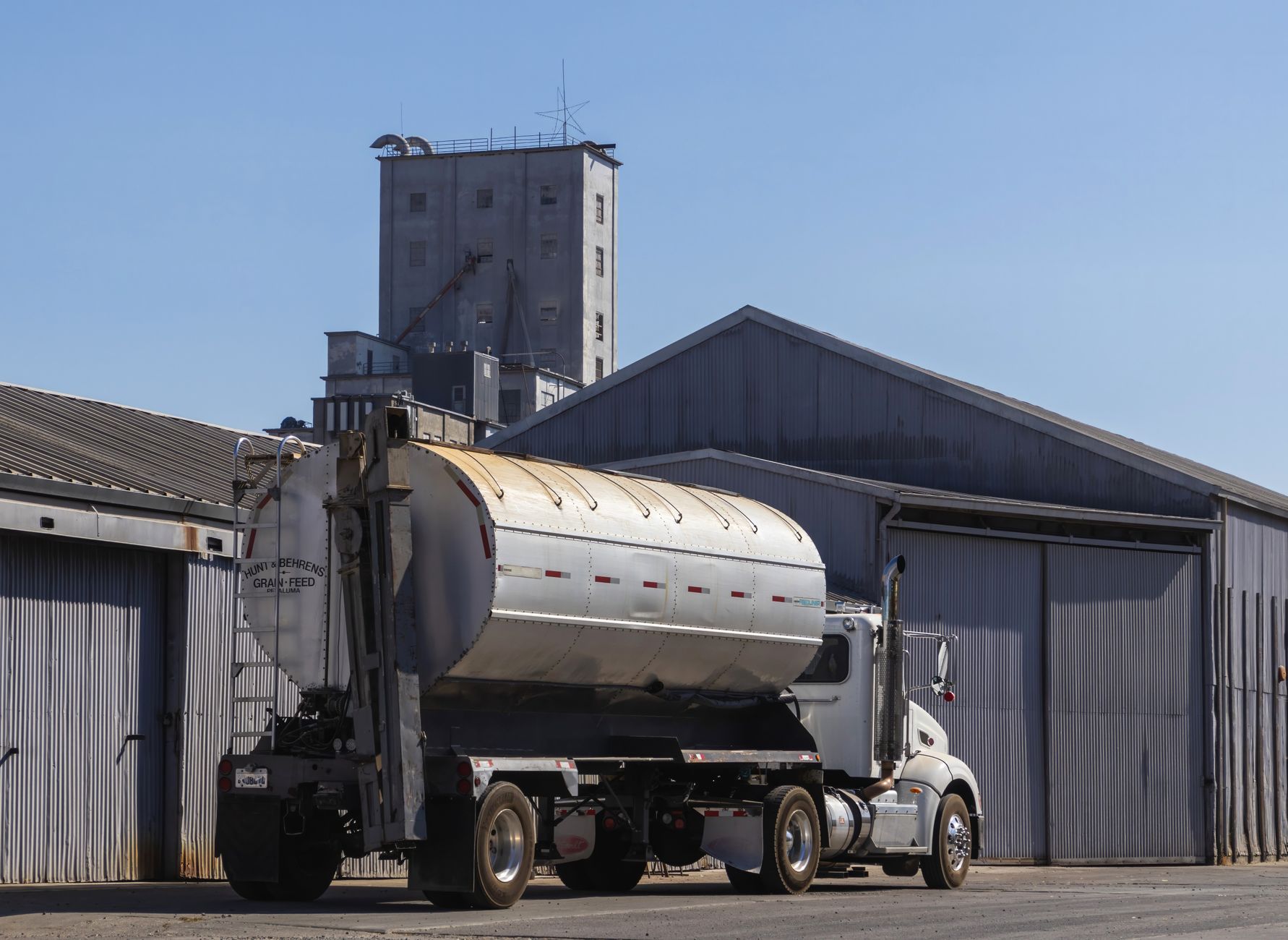
Not all sand suppliers are created equal, and the differences matter more on a golf course than almost anywhere else. Here are the key criteria to evaluate before you commit to a supplier for your course’s ongoing sand needs.
Lab-Tested Specs You Can Verify
Any reputable golf course sand supplier should be able to hand you a particle size analysis — sometimes called a sieve analysis — for every product they sell. This document shows the percentage of material retained at each sieve size, from coarse fractions down to silt and clay. If a supplier can’t produce this data, that’s a red flag. The USGA, the Golf Course Superintendents Association of America (GCSAA), and most state extension services publish guidelines you can use to evaluate whether a sand meets your specific application requirements.
Jackson Sand publishes lab-tested spec sheets for its products. You can review the sand specs before placing an order so there are no surprises when the truck arrives.
On-Premises Mixing and Quality Control
Some aggregate suppliers resell sand they’ve purchased from multiple sources, which means the product you receive today may not match what you received six months ago. A supplier who mixes sand on their own premises controls the input materials and the blending process, which translates to more consistent output. This matters especially for top dressing programs, where you may be making 6–12 applications per year and need the same particle size profile each time to avoid creating layering problems in the rootzone.
Delivery in Supplier-Owned Trucks
Third-party haulers introduce variables: different truck sizes, different loading equipment, and less accountability if a load arrives contaminated or short. When a supplier owns its delivery trucks and controls the loading process from start to finish, you get cleaner sand, more accurate volumes, and a single point of contact if something isn’t right. For golf courses with tight access roads or specific drop-off requirements, working with a supplier whose drivers know the product and the equipment makes scheduling and site logistics much smoother.
4. How Jackson Sand Serves Golf Courses in West Tennessee

Jackson Sand has built its business around the needs of turf professionals and contractors in West Tennessee and the broader Mid-South region. Here’s how their operation is set up to serve golf courses specifically.
Mixed On Premises, Delivered in Their Own Trucks
Jackson Sand LLC, located at 139 United Dr. in Jackson, TN, mixes its sand products on its own premises from high-quality raw materials. That means the blending is controlled in-house rather than outsourced, and the spec you see on the data sheet is the spec you get in the truck. Delivery is handled in Jackson Sand’s own fleet, which keeps loads clean and accurately measured from the yard to your course.
For golf course superintendents who’ve dealt with short loads or contaminated sand from general aggregate yards, this vertically integrated approach is a meaningful difference. You’re not dealing with a broker — you’re dealing with the people who made the sand and loaded the truck.
Products Tailored for Golf Course Applications
Jackson Sand offers bunker sand, top dressing sand, and drainage materials specifically suited to golf course maintenance. Their product line covers the full range of applications a superintendent typically needs: bunker renovation and topdressing, green and fairway top dressing programs, drainage trench aggregate, and general course construction fill. They also offer top dressing services — not just the sand itself — which can be valuable for smaller courses or municipalities that don’t have the equipment to handle large-scale applications in-house.
Explore the full range of golf course sand products from Jackson Sand to see which materials fit your maintenance program.
Serving Large and Small Jobs Across the Mid-South
Jackson Sand works with both large private courses running multi-season renovation programs and smaller municipal or semi-private courses that need occasional bunker sand or top dressing material. Delivery is included, which simplifies budgeting — you’re not negotiating a separate freight charge on top of the material cost. Whether you’re ordering a few yards for a spot repair or a full truckload for a bunker renovation, the process is the same: call 731-668-0440, discuss your specs and quantities, and schedule delivery.
5. Understanding USGA Sand Specs for Golf Greens and Bunkers
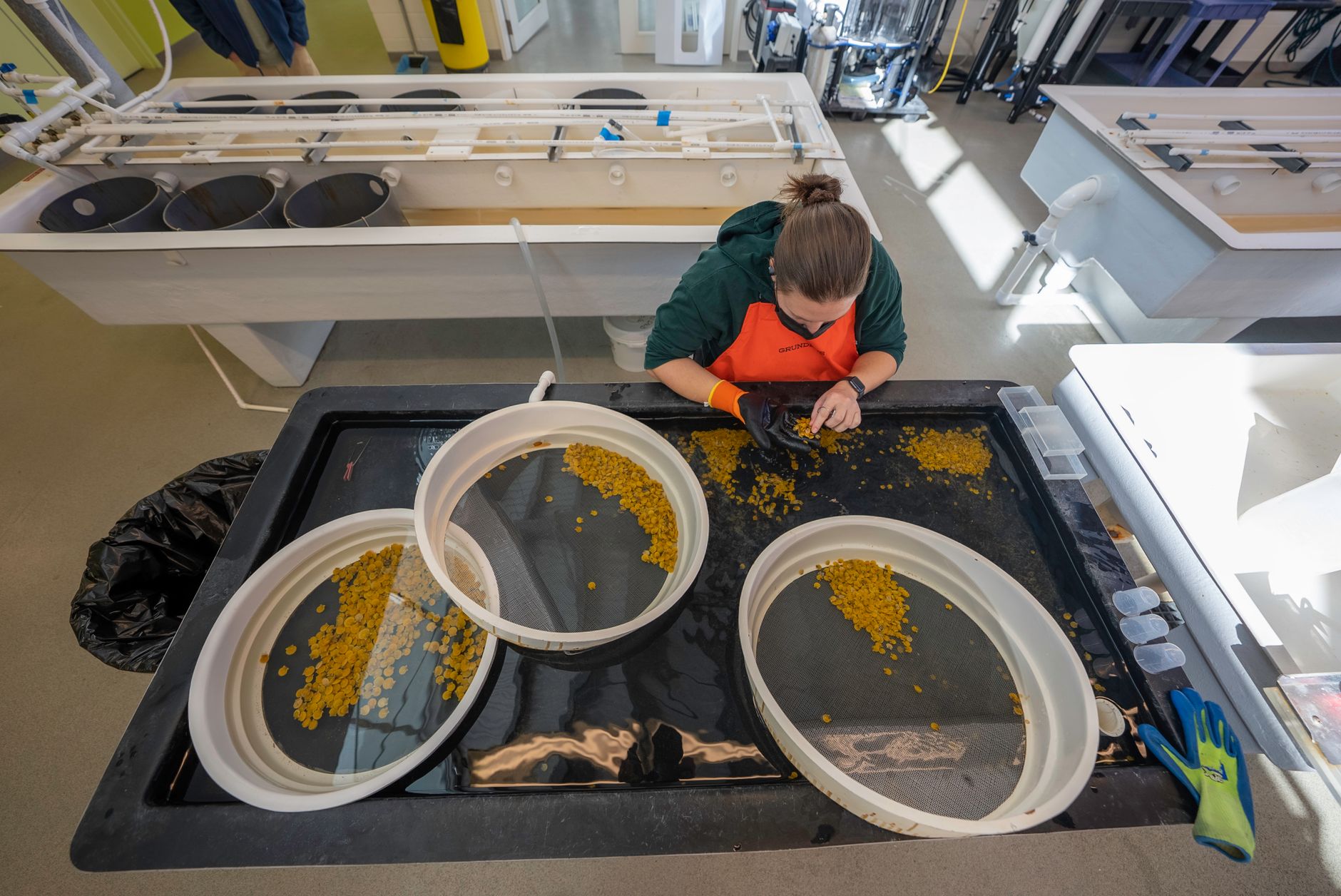
If you’re a golf course superintendent or turf manager, you’re likely already familiar with USGA sand specifications. But if you’re a contractor, parks department manager, or school athletic director sourcing sand for a golf or multi-use turf project for the first time, here’s what the specs actually mean and why they matter.
The USGA Particle Size Recommendations Explained
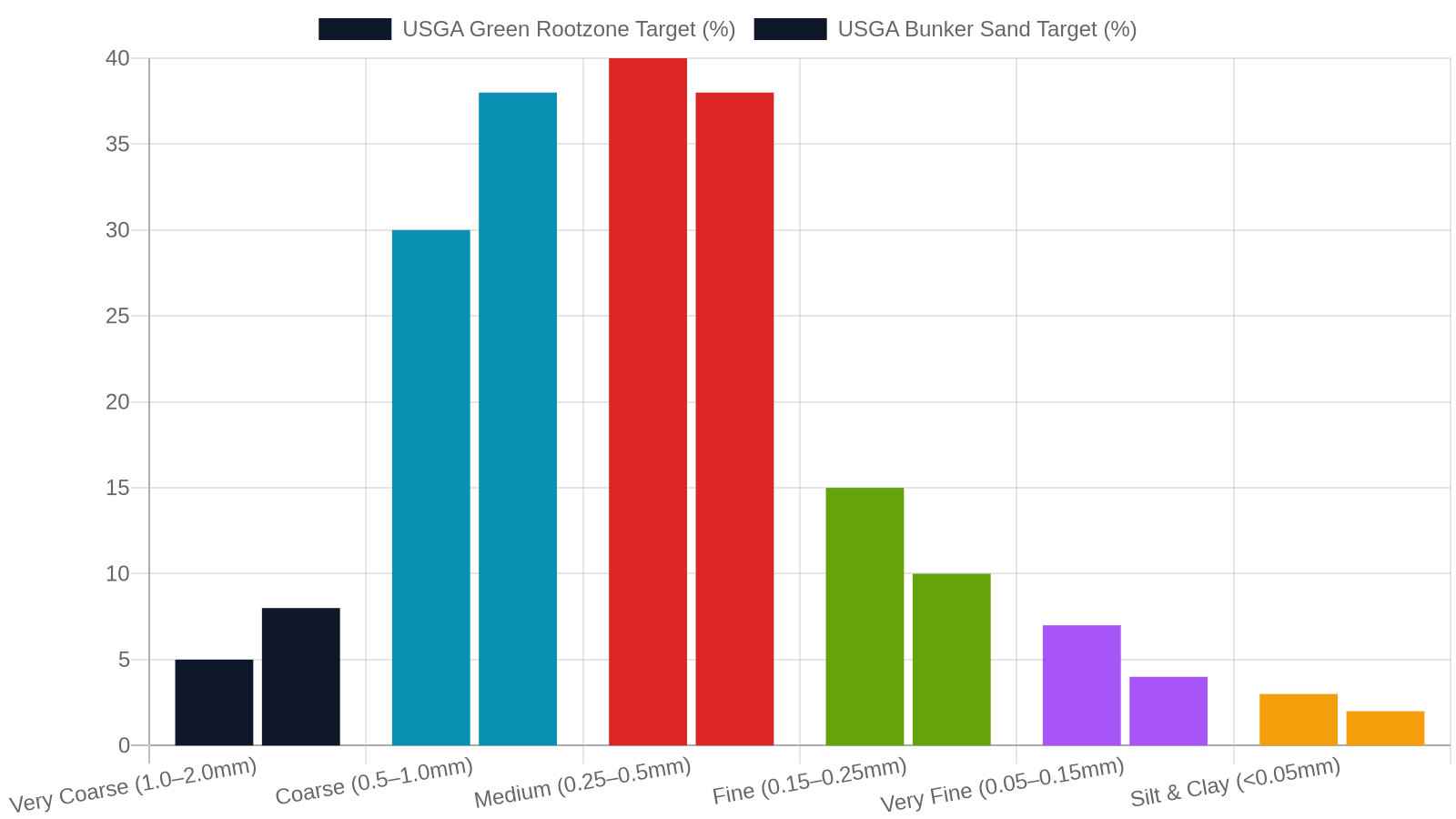
The USGA Method for putting green construction specifies that the rootzone mix — typically 80–85% sand by volume — should have a particle size distribution where at least 60% of particles fall in the medium (0.25–0.5 mm) and coarse (0.5–1.0 mm) sand range. Total fine sand, very fine sand, silt, and clay should be kept below 10% to prevent compaction and drainage restriction. These aren’t arbitrary numbers — they’re derived from decades of research on how sand-based rootzones perform under traffic, irrigation, and weather stress.
For bunker sand specifically, the USGA recommends a medium-coarse texture with good angularity, low silt and clay content (under 3%), and a minimum infiltration rate of 20 inches per hour. Bunker sand that’s too fine will blow out in wind, crust after rain, and produce inconsistent lies.
How to Read a Sieve Analysis
A sieve analysis report lists the percentage of sand retained on a series of mesh screens with progressively smaller openings, measured in millimeters. The key numbers to check are: percentage of very coarse sand (1.0–2.0 mm), coarse sand (0.5–1.0 mm), medium sand (0.25–0.5 mm), fine sand (0.15–0.25 mm), very fine sand (0.05–0.15 mm), and silt/clay (below 0.05 mm). For a USGA green rootzone, you want the bulk of the distribution in the medium and coarse range, with minimal fines. For bunker sand, you want a slightly coarser profile with very low silt and clay.
Jackson Sand publishes this data for its products — review the full sand spec sheets to compare against your project requirements before ordering.
6. Golf Course Top Dressing: Sand Programs That Actually Work

Top dressing is one of the most important — and most misunderstood — maintenance practices on a golf course. Done right, it produces smoother, firmer, healthier greens. Done wrong, it creates layering problems that take years to correct. The sand you choose and how you apply it both matter enormously.
Why Frequency and Consistency Matter More Than Volume
Research from university turfgrass programs consistently shows that light, frequent top dressing applications — as little as 1/8 inch every 2–4 weeks during the growing season — produce smoother, firmer putting surfaces than heavy, infrequent applications. The sand works its way into the turf canopy more effectively in thin layers, reducing the risk of smothering the grass or creating a buried layer that disrupts water movement. A typical 18-hole course running a monthly top dressing program on greens might use 15–30 tons of top dressing sand per application cycle, depending on green size and application rate.
Matching Top Dressing Sand to Your Existing Rootzone
One of the most common mistakes in top dressing programs is using a sand that doesn’t match the particle size of the existing rootzone. When you apply a significantly finer or coarser sand on top of an established rootzone, you can create a discontinuous layer that acts as a barrier to water movement — a problem called layering or stratification. Over time, this leads to wet spots, dry spots, and inconsistent turf performance across the green. The fix is expensive: either core aggressively to break up the layer or live with the consequences for years.
Before starting or changing a top dressing program, have your existing rootzone tested and compare the particle size distribution to the sand you plan to use. Jackson Sand’s spec sheets make this comparison straightforward.
Top Dressing Services: When You Need More Than Just the Sand
Some courses — particularly smaller operations, municipal courses, or schools adding a golf program — don’t have the equipment to apply top dressing sand efficiently across multiple greens. Jackson Sand offers top dressing services in addition to supplying the material, which means you can get the sand applied without investing in specialized equipment or training additional staff. This is also a useful option for courses that want to accelerate a renovation program or handle a large fairway top dressing project outside their normal maintenance capacity. Learn more about top dressing services from Jackson Sand to see how this works in practice.
7. Drainage Materials for Golf Courses: What You Need Beyond Sand

Sand is only part of the picture for golf course drainage. Coarse aggregate, gravel, and drainage-specific materials play equally important roles in keeping a course playable after rain. Here’s a practical overview of the drainage materials most golf courses in West Tennessee need and how they work together.
Surface Drainage and Slope: Moving Water Off the Course
Effective drainage on a golf course starts at the surface. Proper grading and slope direct water away from playing surfaces and toward collection points before it has a chance to pond or saturate the rootzone. Surface drainage aggregate — coarse sand and gravel used in swales, channels, and low-point collection areas — needs to be clean, well-graded, and sized appropriately for the flow rates you’re managing. A course that drains well at the surface can recover from a 2-inch rain event in hours rather than days, which translates directly to more playable days per year and lower maintenance costs.
Drainage Basins and Subsurface Systems
Subsurface drainage — catch basins, French drains, and perforated pipe systems — requires specific aggregate sizes to function correctly. The gravel or crushed stone surrounding a perforated pipe needs to be coarse enough to allow free water movement but fine enough to prevent the pipe from silting in over time. Drainage basins collect surface runoff and route it into the subsurface system; the aggregate around and below the basin structure determines how quickly it can handle peak flow during heavy rain. Using the wrong aggregate size in these systems is a common and costly mistake that often doesn’t show up until the first major storm event after installation.
Seepage Drainage for Wet Areas and Low Spots
Some areas of a golf course — natural low points, areas with high water tables, or zones where subsurface water migrates toward the surface — require seepage drainage systems that intercept groundwater before it reaches the playing surface. These systems typically use a combination of coarse sand, gravel, and sometimes geotextile fabric to create a permeable layer that collects and redirects subsurface flow. The aggregate specifications for seepage drainage are different from those for surface drainage or rootzone construction, so it’s important to work with a supplier who understands the application and can match the material to the design requirements.
8. Calculating How Much Sand You Need for Your Project
Ordering the right amount of sand is as important as ordering the right type. Too little and your project stalls waiting for a second delivery. Too much and you’re paying for material you don’t need and finding somewhere to store it. Here’s how to estimate your quantities for the most common golf course sand applications.
Bunker Renovation: Estimating Sand Volume
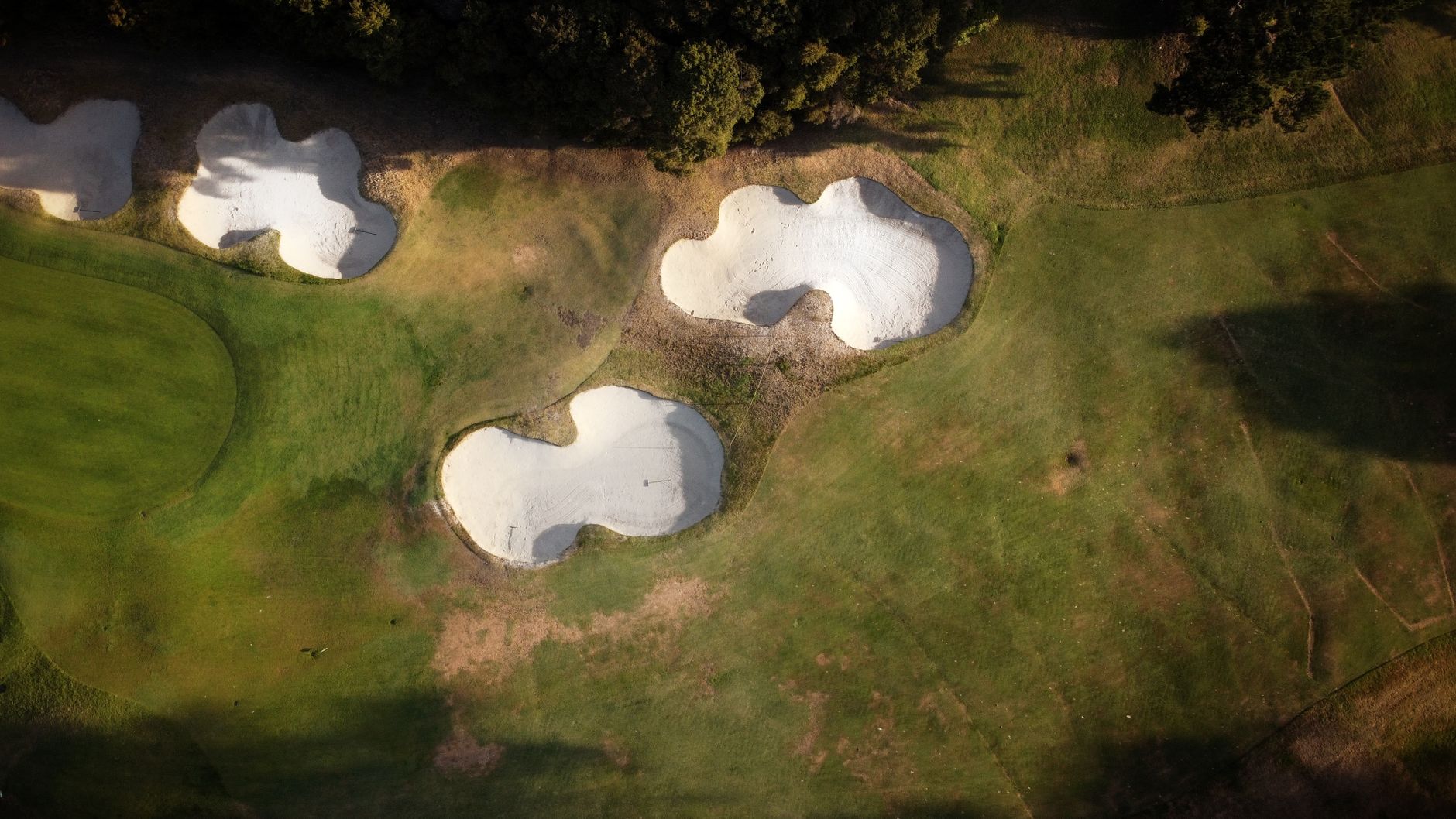
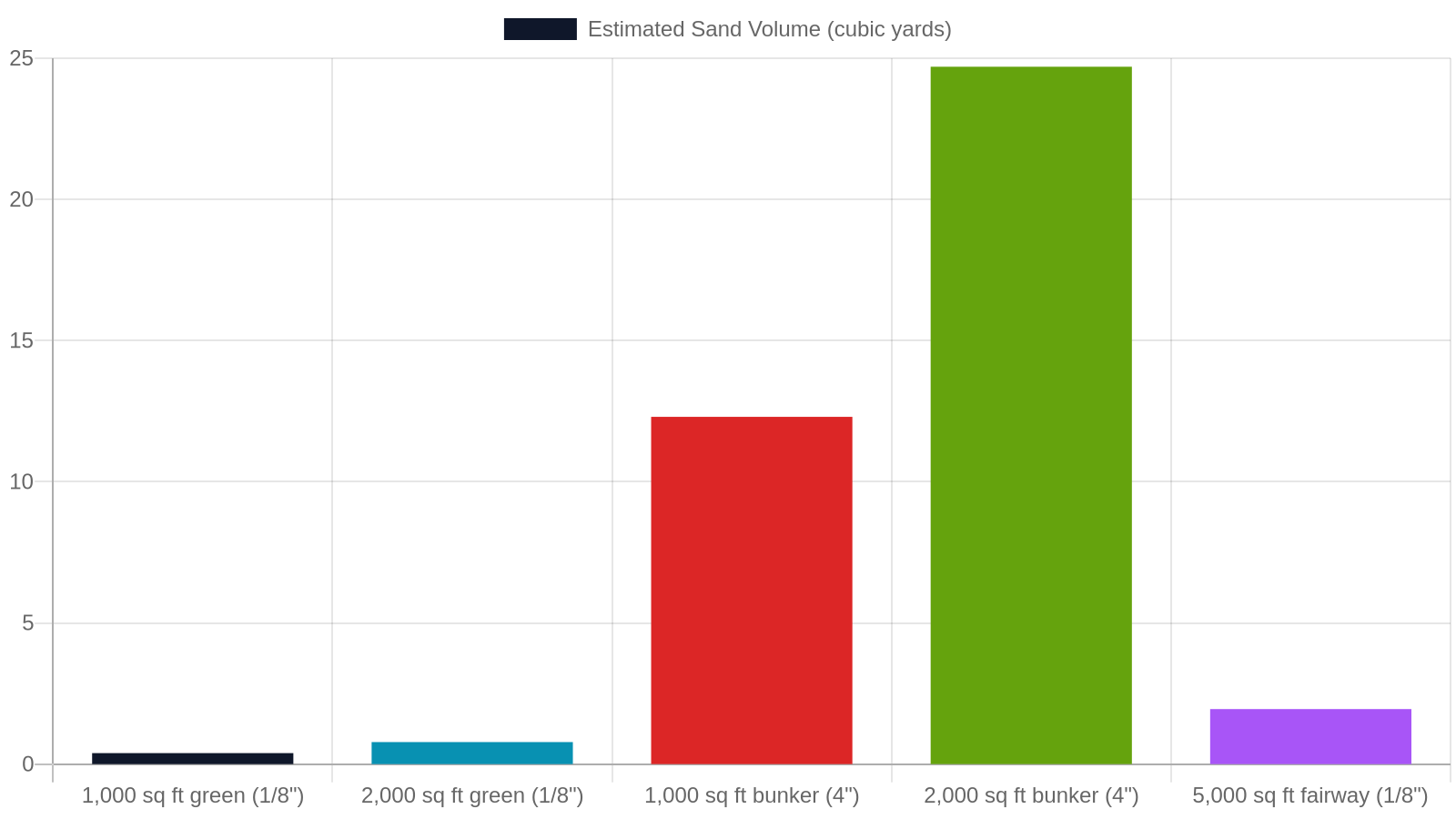
Calculating sand volume for a bunker renovation requires knowing the surface area of the bunker and the target sand depth. A typical golf course bunker might carry 4–6 inches of sand in the base and 2–4 inches on the faces. As a rough rule of thumb, a bunker with 2,000 square feet of surface area and an average sand depth of 4 inches will require approximately 25 cubic yards of sand. However, bunker shapes vary enormously, and irregular geometry can make manual calculation unreliable. Using a yardage calculator removes the guesswork and helps you avoid ordering too much or too little.
Top Dressing Programs: Application Rate Math
Top dressing application rates are typically expressed in cubic feet per 1,000 square feet of turf. A light application of 1/8 inch depth equals approximately 10.4 cubic feet per 1,000 square feet, or roughly 0.39 cubic yards. A standard 18-hole course with 9,000 square feet of putting green surface running a 1/8-inch application would need about 3.5 cubic yards per cycle. Over a 10-application season, that’s 35 cubic yards of top dressing sand for greens alone — not counting fairway or tee programs. Getting these numbers right before you call your supplier saves time and prevents mid-project shortfalls.
Use the free yardage calculator at JacksonSand.com to estimate your material needs before you call — it works for bunker sand, top dressing, and general aggregate projects.
Golf Course Sand Supplier Comparison: Key Factors at a Glance
Use this comparison to evaluate your sourcing options for golf course sand in West Tennessee. The factors below are the ones that matter most for turf quality, project reliability, and long-term maintenance outcomes.
9. Other Sand and Aggregate Needs on a Golf Course Property

A golf course is more than its greens and bunkers. The full property includes cart paths, landscape beds, practice facilities, and sometimes shared athletic spaces — all of which have aggregate and material needs that a good local supplier can address in a single relationship.
Athletic Fields and Multi-Use Turf Areas
Many golf course properties include practice areas, driving ranges, and sometimes shared athletic fields or multi-use turf zones. Sand-based construction for these areas follows similar principles to golf course green construction — high sand content, good drainage, and consistent particle size — but the specific requirements differ based on the sport and the level of play. Football and soccer fields, for example, may use a different rootzone profile than a putting green, with slightly more organic matter and a different drainage rate target. Jackson Sand supplies sand for athletic field construction and renovation as well as golf course applications, so courses with multi-use facilities can source all their turf sand from one supplier.
Gravel and Mulch for Course Landscaping
Beyond the playing surfaces, golf courses use significant quantities of gravel and mulch for cart paths, landscape beds, parking areas, and naturalized rough zones. Gravel provides stable, permeable surfacing for maintenance access roads and cart path edges. Mulch is used in landscape beds around clubhouses, tee complexes, and naturalized areas to suppress weeds, retain moisture, and improve aesthetics. Sourcing these materials from the same supplier as your turf sand simplifies purchasing, reduces the number of vendor relationships to manage, and often makes scheduling deliveries easier when you need multiple materials for a single project phase.
10. Comparing Your Options for Sourcing Golf Course Sand in West Tennessee

When you’re sourcing golf course sand in West Tennessee, you have several options — and they’re not all equivalent. Here’s a practical comparison of the main sourcing channels most courses consider, and what the trade-offs look like in real-world use.
Local Specialist vs. General Building Materials Yard
A general building materials yard may carry sand, but it’s typically construction-grade fill sand or concrete sand — not a product engineered for golf course applications. Particle size distributions are rarely published, quality control between loads is inconsistent, and the staff may not be familiar with USGA specifications or turf management requirements. For a one-time fill project, a general yard might be adequate. For ongoing golf course maintenance, the inconsistency creates real risk.
A specialist supplier like Jackson Sand focuses specifically on turf and landscape applications, publishes lab-tested specs, and can advise on product selection based on your specific application — bunker renovation, green top dressing, drainage construction, or rootzone mix. That expertise has real value when you’re making decisions that affect playability for thousands of rounds per year.
Regional Distributor vs. Direct Local Supplier
Regional distributors can offer a wide product catalog, but they typically source from multiple manufacturers and route orders through third-party haulers. Lead times can be longer, freight costs are often added separately, and the person taking your order may have limited technical knowledge about the specific products you’re buying. A direct local supplier who mixes, stocks, and delivers their own product offers shorter lead times, included delivery, and a direct line to people who know exactly what’s in every load. For West Tennessee golf courses, Jackson Sand’s location in Jackson puts them within practical delivery range of courses throughout the Mid-South region.
11. Seasonal Timing: When to Order Golf Course Sand in West Tennessee

Timing your sand orders to match your maintenance calendar — and West Tennessee’s seasonal patterns — helps you avoid supply crunches and schedule deliveries when your crew can make the best use of the material. Here’s how most courses in the region approach their annual sand procurement cycle.
Spring and Fall: Peak Demand Periods
In West Tennessee’s climate, the two busiest periods for golf course sand orders are spring (March–May) and fall (September–October). Spring orders typically cover bunker renovation after winter damage, early-season top dressing programs, and drainage repairs that were deferred over winter. Fall orders support overseeding prep, late-season top dressing, and any construction projects scheduled for the dormant season. Both windows are high-demand periods for aggregate suppliers across the Mid-South, so ordering early — ideally 2–4 weeks before you need delivery — gives you more scheduling flexibility and reduces the risk of delays.
Summer and Winter: Maintenance Windows and Off-Season Projects
Summer in West Tennessee brings heat stress and reduced turf recovery rates, which means major construction projects are typically avoided during July and August. However, summer is a good time to plan and spec upcoming fall renovation projects, get your sand samples tested, and lock in supplier relationships for the next major ordering cycle. Winter is the preferred season for large-scale bunker renovation and drainage construction on many courses, since the turf is dormant and heavy equipment causes less damage. Ordering drainage aggregate and bunker sand in November or December for a January–February construction window often means better availability and more predictable scheduling than waiting until spring.
Ready to Order Golf Course Sand in West Tennessee?
If you’re a golf course superintendent, turf manager, or contractor in West Tennessee sourcing sand for an upcoming project, Jackson Sand is set up to make the process simple. Here’s how to move from planning to delivery.
Start with the Right Specs and the Right Quantities
Before you place your first order, take a few minutes to review the spec sheets for the products you’re considering and run your quantity estimates through a yardage calculator. These two steps alone will prevent the most common ordering mistakes — wrong product for the application, and wrong volume for the project. If you’re not sure which sand is right for your bunkers, greens, or drainage system, the team at Jackson Sand can walk you through the options based on your specific situation.
Contact Jackson Sand to Schedule Delivery
Jackson Sand LLC serves golf courses, athletic fields, contractors, and homeowners throughout West Tennessee and the Mid-South from their facility at 139 United Dr., Jackson, TN 38305. They mix their own sand on premises, deliver in their own trucks, and include delivery in the order — so the price you discuss is the price you pay. To get started, explore the full lineup of golf course sand products from Jackson Sand, then call 731-668-0440 to discuss your project, confirm specs, and schedule delivery. Whether you’re planning a full bunker renovation, starting a new top dressing program, or just need a few yards of drainage aggregate for a wet spot repair, Jackson Sand is the straightforward local choice for golf course sand in West Tennessee.
Frequently Asked Questions
Where can I buy golf course sand near Jackson, TN?
Jackson Sand LLC at 139 United Dr., Jackson, TN 38305 supplies bunker sand, top dressing sand, and drainage aggregate for golf courses throughout West Tennessee and the Mid-South. They mix their own sand on premises and deliver in their own trucks. Call 731-668-0440 to discuss your project.
What is the difference between bunker sand and top dressing sand?
Bunker sand is typically medium-coarse and angular, designed to drain quickly, resist washout, and provide a consistent ball lie. Top dressing sand is finer and more uniform, applied in thin layers to smooth putting surfaces, dilute thatch, and improve firmness. Using the wrong sand in either application can cause drainage problems or inconsistent playing conditions.
Does Jackson Sand deliver golf course sand, or do I need to arrange my own hauling?
Jackson Sand delivers in their own trucks and includes delivery with your order. You don't need to arrange separate hauling or pay an additional freight charge.
How do I know if a sand meets USGA specifications for golf greens or bunkers?
Ask your supplier for a sieve analysis (particle size distribution report) for the specific product you're ordering. The USGA publishes target particle size ranges for putting green rootzones and bunker sand. Jackson Sand publishes lab-tested spec sheets for its products so you can verify compliance before ordering.
How much sand do I need for a bunker renovation?
It depends on the bunker's surface area and target sand depth. As a rough estimate, a 2,000 square foot bunker filled to 4 inches of average depth requires approximately 25 cubic yards of sand. Use the free yardage calculator at JacksonSand.com for a more accurate estimate based on your specific dimensions.
Can Jackson Sand supply drainage aggregate for golf course drainage systems?
Yes. Jackson Sand supplies drainage materials including surface drainage aggregate, drainage basin materials, and seepage drainage aggregate for golf course drainage construction and repair projects throughout West Tennessee.