
Best Sand for Golf Course Fairways and Greens: Your Complete Guide
Quick answer: The best sand for golf course fairways and greens is a medium-fine, rounded to sub-angular silica sand with 85–95% particles in the 0.25–1.0 mm range, low silt and clay content (under 3%), and a percolation rate of at least 6 inches per hour — consistent with USGA root-zone recommendations. For bunkers, a coarser, more angular sand resists washout and holds its shape. Jackson Sand mixes, tests, and delivers these spec-grade sands throughout West Tennessee and the Mid-South, with lab-verified spec sheets available for every product.
Why Sand Selection Is the Most Important Agronomic Decision You'll Make
Sand is not a commodity on a golf course — it is a precision agronomic input. The difference between a spec-grade silica sand and an off-the-shelf construction sand can mean the difference between a green that drains 12 inches per hour and one that puddles after a light rain. For superintendents and sports turf managers across West Tennessee, understanding what makes sand perform is the first step toward making a confident purchasing decision.
Sand Is the Foundation of Every Healthy Root Zone
Grass grows in soil, but championship-quality turf grows in engineered root zones — and sand is the primary ingredient. The physical properties of the sand you choose determine how water moves through the profile, how much oxygen reaches roots, how well the surface recovers from traffic, and ultimately how the ball rolls and sits. Get the sand wrong and no amount of fertility, irrigation, or cultural practice can fully compensate.
- Drainage: Poorly graded sand retains water and promotes anaerobic conditions, disease, and compaction.
- Firmness: The right particle distribution creates a stable surface that resists rutting under cart and foot traffic.
- Playability: Sand texture directly affects ball lie in bunkers and the smoothness of a putting surface after top dressing.
The Cost of Getting It Wrong
Superintendents who select sand based on price alone often discover the real cost later: flooded greens after a 2-inch rain, bunker faces that wash out every storm, or top-dressed fairways that feel like sandpaper for weeks. Remediation — including green reconstruction — can run $50,000 to $500,000 per green depending on scope. Choosing the right sand from the start is the single highest-return investment in a course’s maintenance budget.
That’s why Jackson Sand publishes lab-tested spec sheets for every product. Before a single yard leaves the yard at 139 United Dr. in Jackson, TN, the material has been tested and verified against target gradations.
Understanding Sand Particle Size and Why It Drives Everything
Particle size is the single most studied variable in turfgrass root-zone science. Decades of USGA research have produced clear, measurable targets — and any reputable sand supplier should be able to hand you a sieve analysis that shows exactly where their product falls within those targets. Here is what the numbers mean in practice.
The USGA Particle Size Classification System
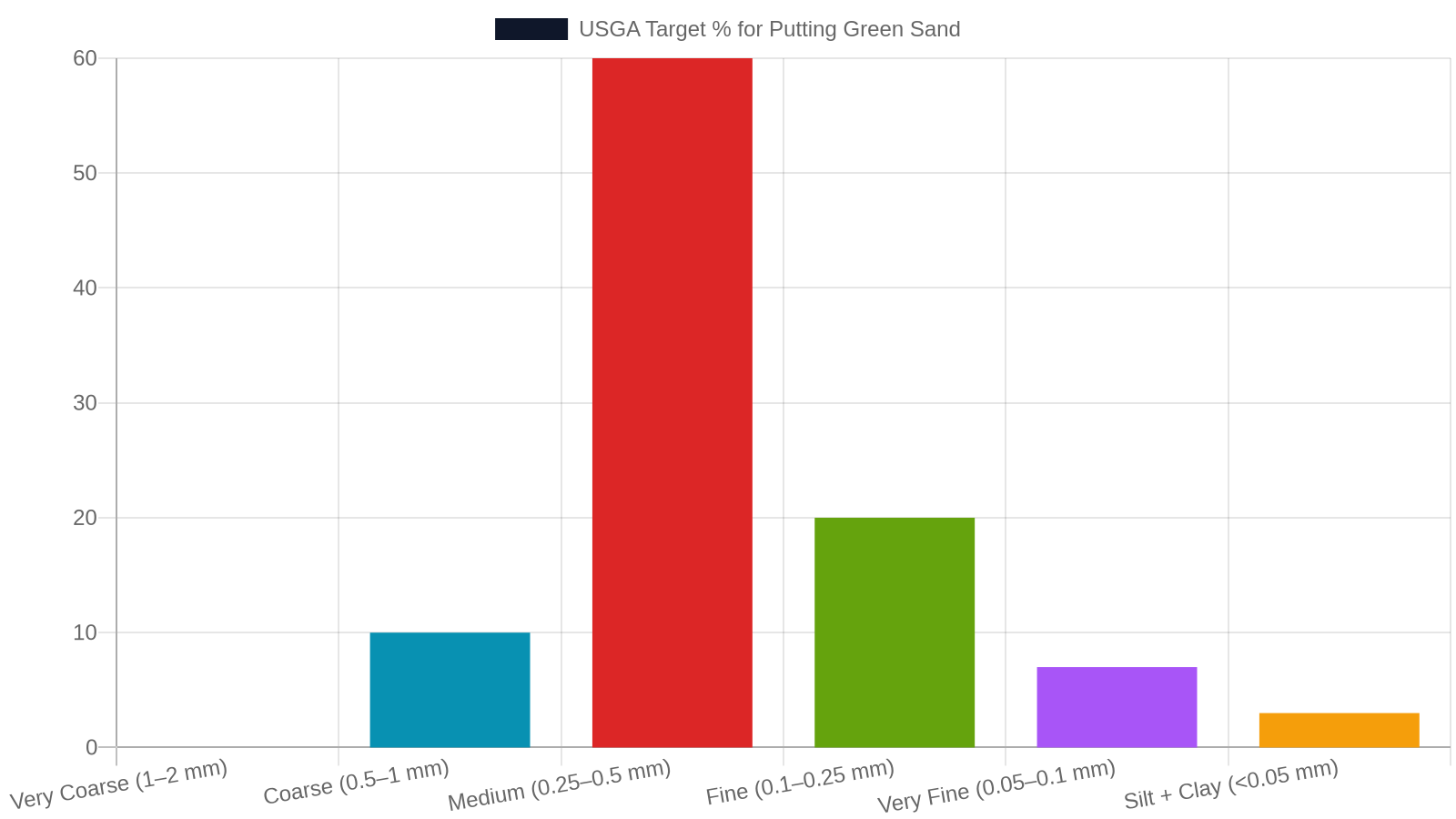
The United States Golf Association classifies sand particles into six size categories based on diameter, measured in millimeters:
- Very coarse: 2.0–1.0 mm
- Coarse: 1.0–0.5 mm
- Medium: 0.5–0.25 mm
- Fine: 0.25–0.10 mm
- Very fine: 0.10–0.05 mm
- Silt/clay: below 0.05 mm
For putting greens and fairways, the USGA recommends that at least 60% of particles fall in the medium (0.25–0.5 mm) range, with no more than 10% fine sand and less than 3% silt plus clay combined. This gradation supports both adequate drainage and sufficient particle-to-particle contact for surface stability.
Particle Shape: Rounded vs. Angular
Particle size tells only part of the story. Shape matters enormously for different applications:
- Rounded particles pack more tightly, drain well, and create a firmer, more consistent putting surface — ideal for greens and fairways.
- Sub-angular particles interlock slightly more, offering good stability while still draining freely — a common choice for root-zone mixes.
- Angular particles resist movement and hold steep faces — preferred for bunker walls and faces where washout is a concern.
A sand that looks similar to the naked eye can behave very differently depending on its angularity index. Lab testing — not visual inspection — is the only reliable way to confirm shape distribution. You can review the particle-size data Jackson Sand provides on the sand specs page before placing any order.
USGA Root-Zone Standards: What They Mean for Greens Construction
When a golf course architect or superintendent specifies a USGA-method green, they are committing to a set of engineering standards that have been validated by more than six decades of research. Understanding those standards helps you evaluate whether the sand you are purchasing will actually meet them — or whether you are buying a product that merely looks similar.
The Full USGA Method Explained
The USGA Method, first published in 1960 and updated most recently in 2018, specifies a 12-inch sand-based root zone over a 4-inch gravel drainage layer, separated by a coarse sand intermediate layer when necessary to prevent particle migration. The entire profile sits over a network of perforated drainage pipes spaced 15 feet apart or less.
Key physical performance targets for the root-zone mix include:
- Saturated hydraulic conductivity: 6–24 inches per hour (in/hr)
- Total porosity: 35–55%
- Air-filled porosity: 15–30% at field capacity
- Organic matter: 1–5% by weight at construction
Modified USGA and California Methods
Not every course can budget for a full USGA construction. Two common alternatives are:
- Modified USGA: Eliminates the intermediate layer and uses a carefully matched sand-to-gravel interface. Less expensive but requires very precise particle-size matching between the root zone and drainage gravel.
- California (Peat-Sand) Method: A shallower profile (8–10 inches) with higher organic matter content. Lower upfront cost but requires more aggressive aeration to prevent thatch accumulation over time.
Regardless of method, the sand specification remains critical. A sand that meets USGA gradation will also perform well in modified systems — the reverse is not always true.
Bunker Sand: Different Rules, Different Requirements
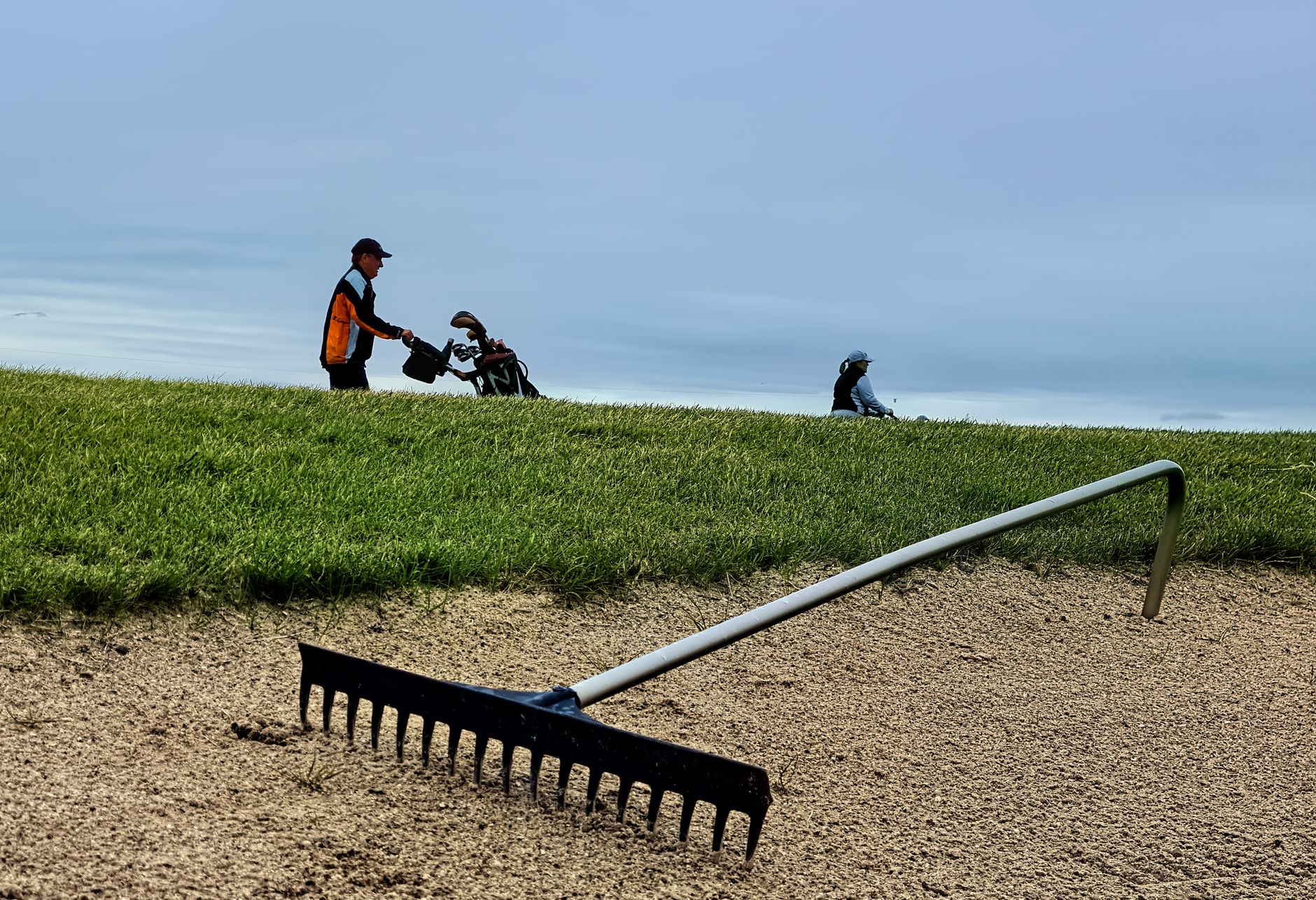
Bunker sand is one of the most visible and player-discussed aspects of any golf course. A bunker that drains poorly, crusts after rain, or produces inconsistent lies will generate more member complaints than almost any other maintenance issue. Selecting the right material — and maintaining consistent depth — solves most of those problems before they start.
What Makes a Good Bunker Sand
Bunker sand serves a completely different function than root-zone sand. Its primary jobs are:
- Playability: The ball should sit up cleanly, not plug or skid unpredictably.
- Stability: Sand should resist displacement by rain, wind, and foot traffic.
- Drainage: Water must pass through quickly to prevent the bunker from becoming a pond.
- Appearance: Bright white or light tan sand photographs well and signals course quality to players.
The USGA recommends bunker sand with particles predominantly in the 0.25–1.0 mm range, with higher angularity than green sand to resist washout on faces. Penetrometer resistance (a measure of how firm the sand feels underfoot) should fall between 1.5 and 2.5 kg/cm² for acceptable playability.
Bunker Liner Systems and Sand Depth
Modern bunker renovation often pairs a liner system (such as a washed gravel base or a proprietary fabric) with a carefully selected bunker sand. The liner prevents contamination from native soil migrating up into the sand — a process called “contamination creep” that turns white sand gray and reduces drainage over time.
Standard bunker sand depth is 4 inches on flat areas and 2 inches on faces. Deeper sand on faces increases the risk of plugged lies and makes raking difficult. Jackson Sand’s bunker sand is mixed on premises to consistent gradation, so every load you receive matches the spec sheet — no blending surprises between deliveries.
Top Dressing Sand for Fairways and Greens: Frequency, Rates, and Particle Match
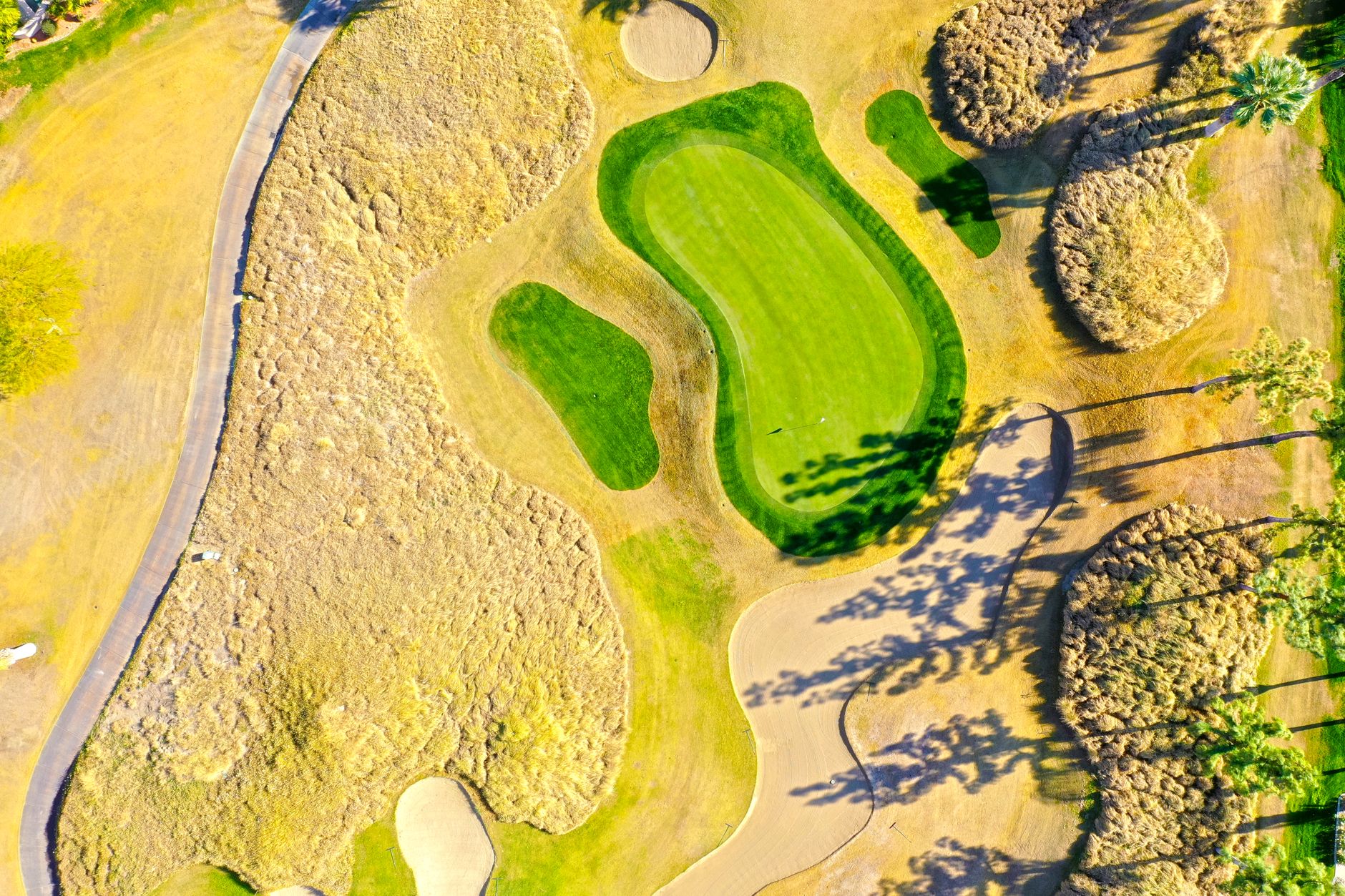
Top dressing is where sand selection and agronomic practice intersect most directly. Even a perfectly specified root-zone sand can be undermined by top dressing with the wrong material — and even a mediocre root zone can be gradually improved by a disciplined, correctly matched top dressing program. Here is what superintendents in West Tennessee need to know.
Why Top Dressing Matters Year-Round
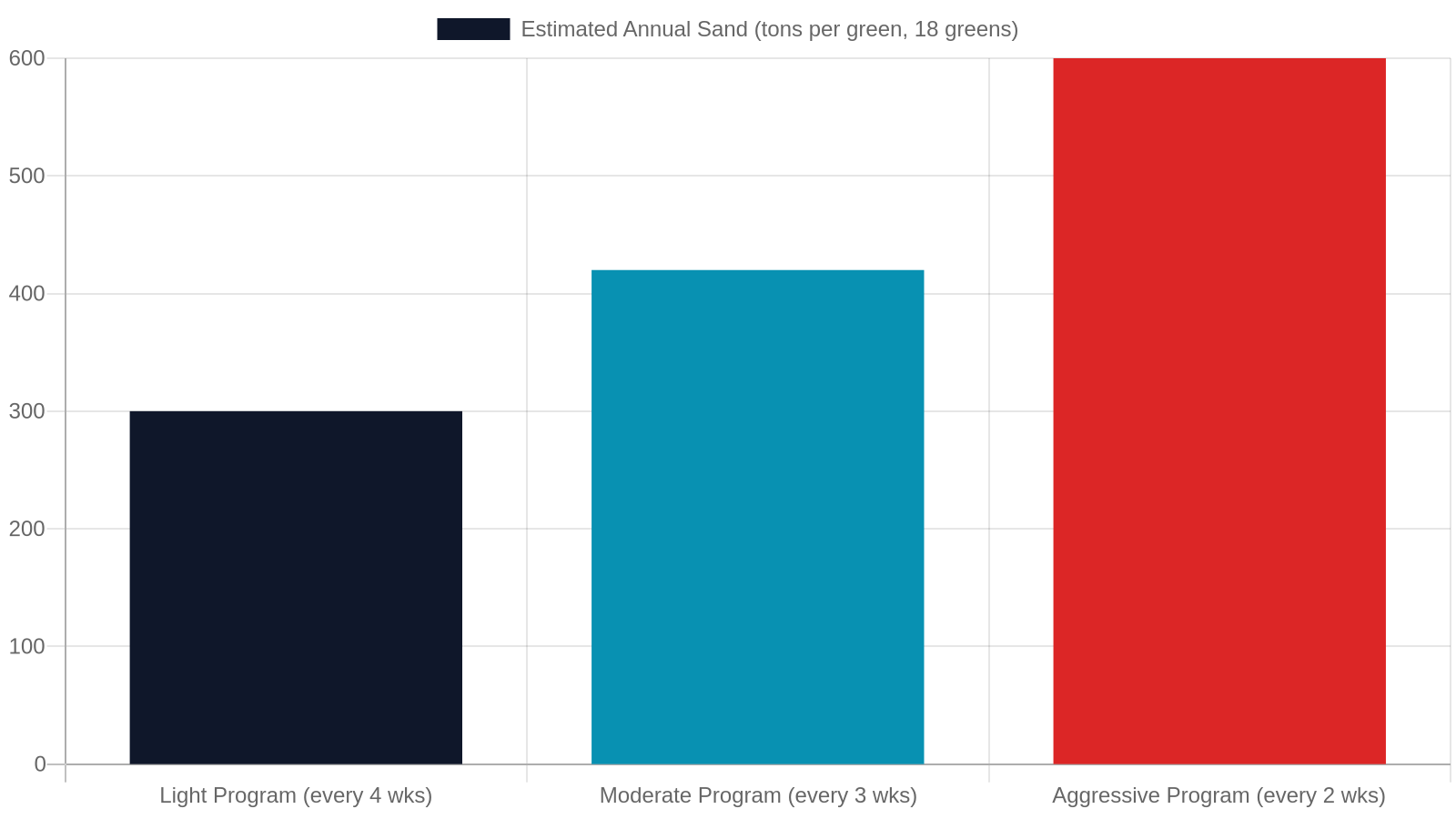
Top dressing is the practice of applying a thin layer of sand — typically 1/8 to 1/4 inch per application — to the playing surface to dilute thatch, smooth the surface, and reinforce the root zone. Research from turfgrass universities consistently shows that frequent, light top dressing (every 2–4 weeks during the growing season) produces smoother, firmer surfaces than infrequent heavy applications.
Annual sand budgets for an 18-hole course typically range from 300 to 600 tons per year for greens alone, depending on program intensity. Fairway programs can require significantly more volume. Use the Jackson Sand yardage calculator to estimate how many tons or cubic yards you need for your program before you call.
The Critical Importance of Particle Match
Top dressing sand must match — or closely approximate — the particle size distribution of the existing root-zone sand. Applying a finer sand over a coarser root zone creates a layering effect that impedes drainage and promotes disease. Applying coarser sand over a fine root zone creates a rough, inconsistent surface that slows ball roll.
Before purchasing top dressing sand, request a sieve analysis of both your existing root zone and the proposed top dressing material. If the D50 values (median particle diameter) are within 0.1 mm of each other, the materials are generally compatible. Jackson Sand’s lab-tested spec sheets make this comparison straightforward.
Aeration and Top Dressing as a Combined Practice
The most impactful top dressing application of the year follows core aeration. After pulling 1/2-inch to 5/8-inch cores on 2-inch spacing, a superintendent can apply 1/2 to 3/4 inch of sand in a single pass — filling the channels and dramatically improving drainage and gas exchange in the root zone. This practice, repeated annually or twice annually, gradually converts a native-soil profile into a sand-based system over 5–7 years without full reconstruction.
Jackson Sand provides both the top dressing sand and top dressing services for courses that prefer to outsource the application. Learn more about what that program looks like on the top dressing services page.
Athletic Field Sand vs. Golf Course Sand: Key Differences
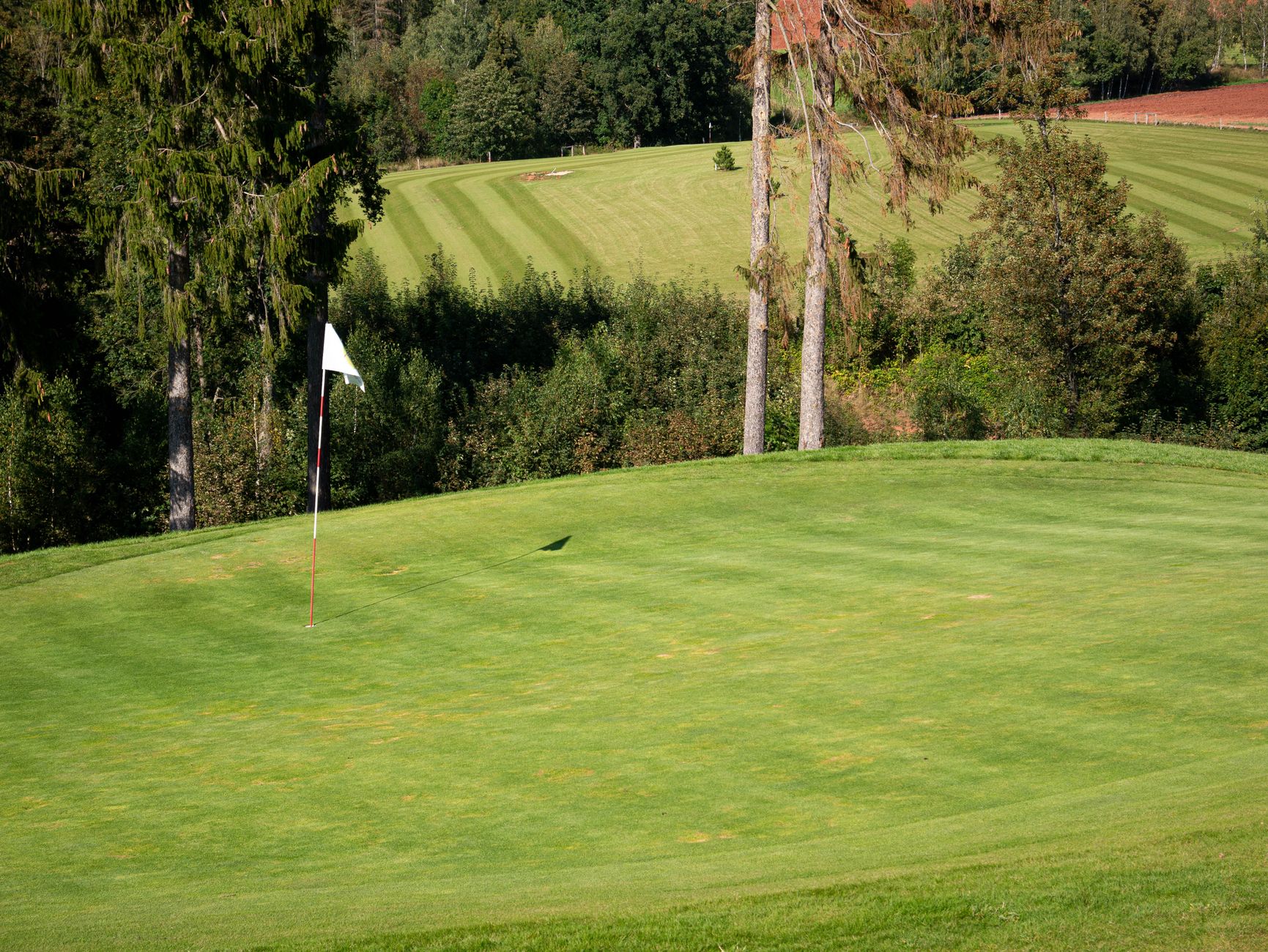
Golf course superintendents and athletic field managers often face similar questions about sand — but the answers are not always identical. Understanding where the specifications converge and where they diverge helps you make the right call for each surface you manage.
Shared Principles, Different Priorities
Athletic field sand and golf course sand share the same fundamental science — particle size, drainage rate, and organic matter content all matter in both contexts. But the priorities shift:
- Golf greens prioritize surface uniformity, ball roll consistency, and very high drainage rates (6–24 in/hr).
- Athletic fields prioritize traction, footing stability, and resilience under heavy concentrated traffic from cleated footwear.
- Golf fairways fall somewhere in between — drainage and surface firmness matter, but the tolerances are wider than for greens.
A sand that is ideal for a football field infield may be too coarse for a putting green top dressing program, and vice versa. Jackson Sand stocks materials appropriate for both applications.
When Schools and Parks Departments Need Both
Many facilities in West Tennessee maintain both a golf course and athletic fields — or serve communities that do. Parks and recreation departments, school districts, and universities often purchase sand for multiple applications in a single order. Jackson Sand serves all of these customers and can advise on which product is appropriate for each use case. See the athletic fields page for specifications relevant to football, baseball, and soccer field applications.
Drainage Aggregate: The Unsung Partner to Sand in Course Performance
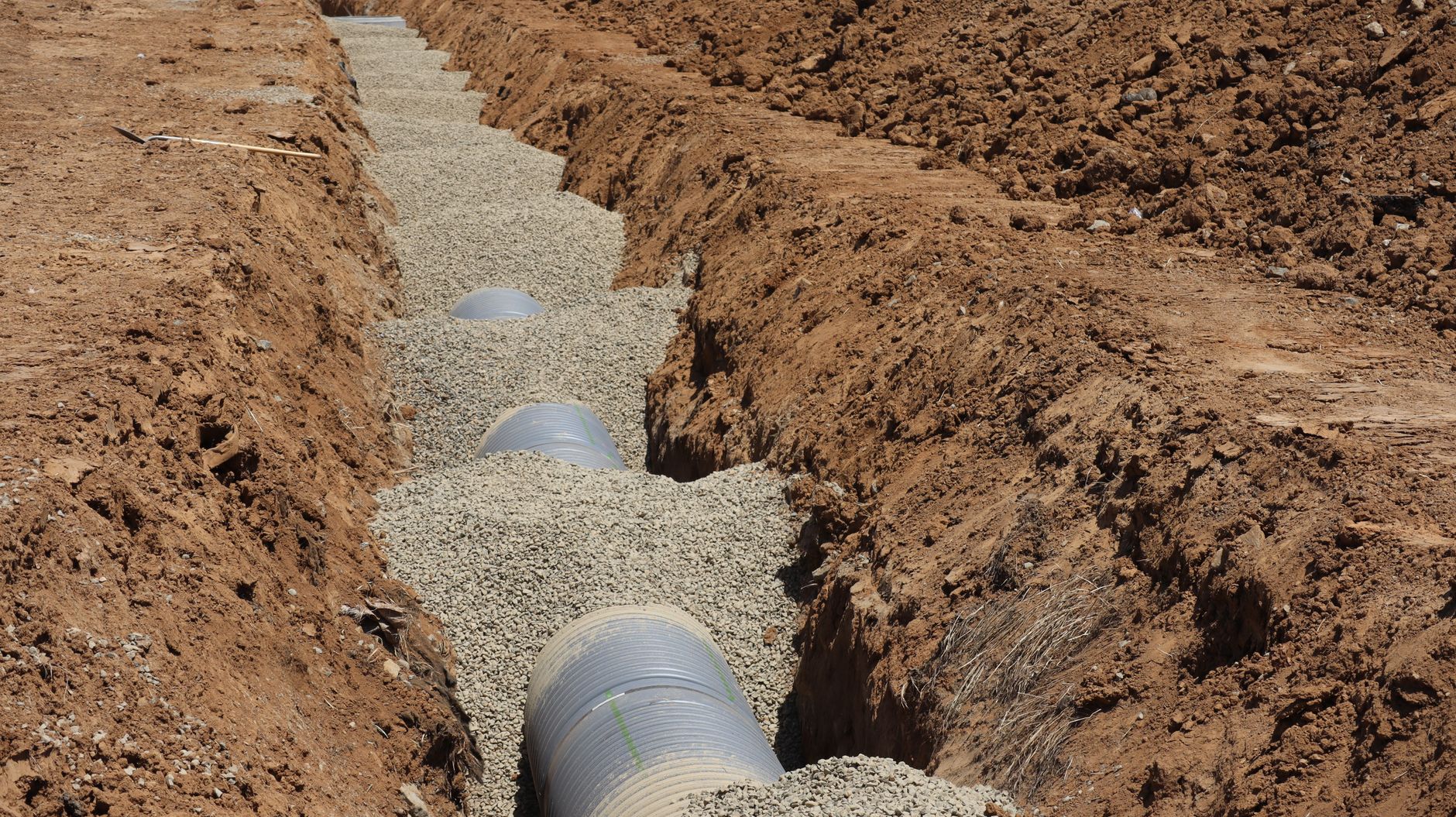
Sand gets most of the attention in golf course agronomy, but the drainage aggregate beneath it does equally important work. Without the right gravel specification in the drainage layer, even a perfectly graded root-zone sand will perform below its potential. Here is how the two materials work together.
Gravel Layers and Pipe Bedding
Every USGA-method green includes a 4-inch pea gravel drainage layer beneath the root zone. This layer must meet its own particle-size specification — typically 2–9 mm diameter — to prevent sand from migrating downward while allowing water to move freely into the drainage pipes. The gravel is not interchangeable with road base or crusher run; it must be washed, sized, and tested.
Surface drainage on fairways and roughs also depends on properly graded aggregate in catch basins, French drains, and swales. A fairway that drains well after a 2-inch rain is not just a function of soil — it is a function of the aggregate network beneath it.
Surface Drainage and Slope Management
On courses with challenging topography, surface drainage design is as important as the root-zone profile. Properly graded slopes, drainage basins, and seepage systems work together to move water off the playing surface quickly and route it away from high-traffic areas. Jackson Sand supplies drainage aggregate for all of these applications — from the gravel in a catch basin to the crushed stone in a French drain trench.
How to Read a Sand Spec Sheet: A Superintendent's Quick Reference
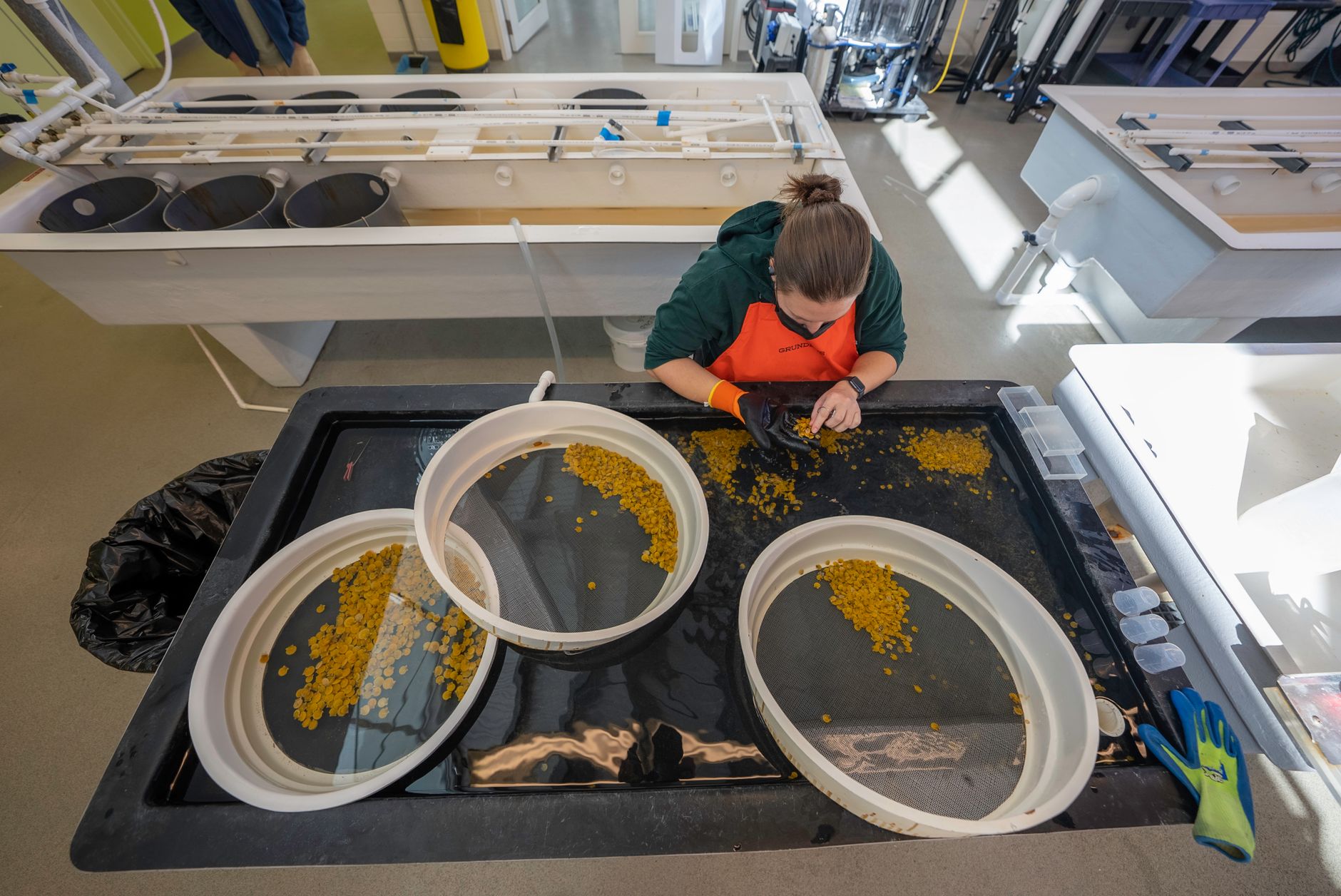
A spec sheet is only useful if you know how to read it. Many purchasing decisions go wrong not because the data was unavailable, but because the buyer did not know which numbers to look at or what the acceptable ranges were. This section gives you a practical framework for evaluating any sand spec sheet — from any supplier.
Sieve Analysis: The Core Data
A sieve analysis reports the percentage of material retained on each of a series of wire-mesh screens. For golf sand, the key screens are the No. 10 (2.0 mm), No. 18 (1.0 mm), No. 35 (0.5 mm), No. 60 (0.25 mm), No. 140 (0.106 mm), and No. 270 (0.053 mm). The cumulative percentages passing each screen tell you where the bulk of the material sits.
Red flags on a sieve analysis include:
- More than 10% retained above No. 18 (too coarse — drainage will be fast but surface will be rough)
- More than 20% passing No. 140 (too fine — drainage will be slow, compaction risk)
- More than 3% passing No. 270 (silt/clay content too high — will seal the surface)
Hydraulic Conductivity and Other Physical Tests
Beyond sieve analysis, a complete spec sheet should report:
- Saturated hydraulic conductivity (Ksat): How fast water moves through a compacted sample. Target: 6–24 in/hr for greens.
- Bulk density: Weight per unit volume. Affects how heavy the sand feels to work with and how much you need per application.
- Organic matter: Should be near zero for pure sand; will increase as the root zone ages.
- pH: Ideally 6.0–7.5 for most turfgrass species.
Jackson Sand makes these figures available before purchase so you can confirm compatibility with your existing profile or construction spec. Review the current data on the sand specs page.
Golf Course Sand Types Compared: Specifications and Best Applications
Use this table to quickly match the right sand type to each application on your course. Specifications reflect general USGA guidelines and industry best practices.
Estimating How Much Sand You Need: Quantities Made Simple
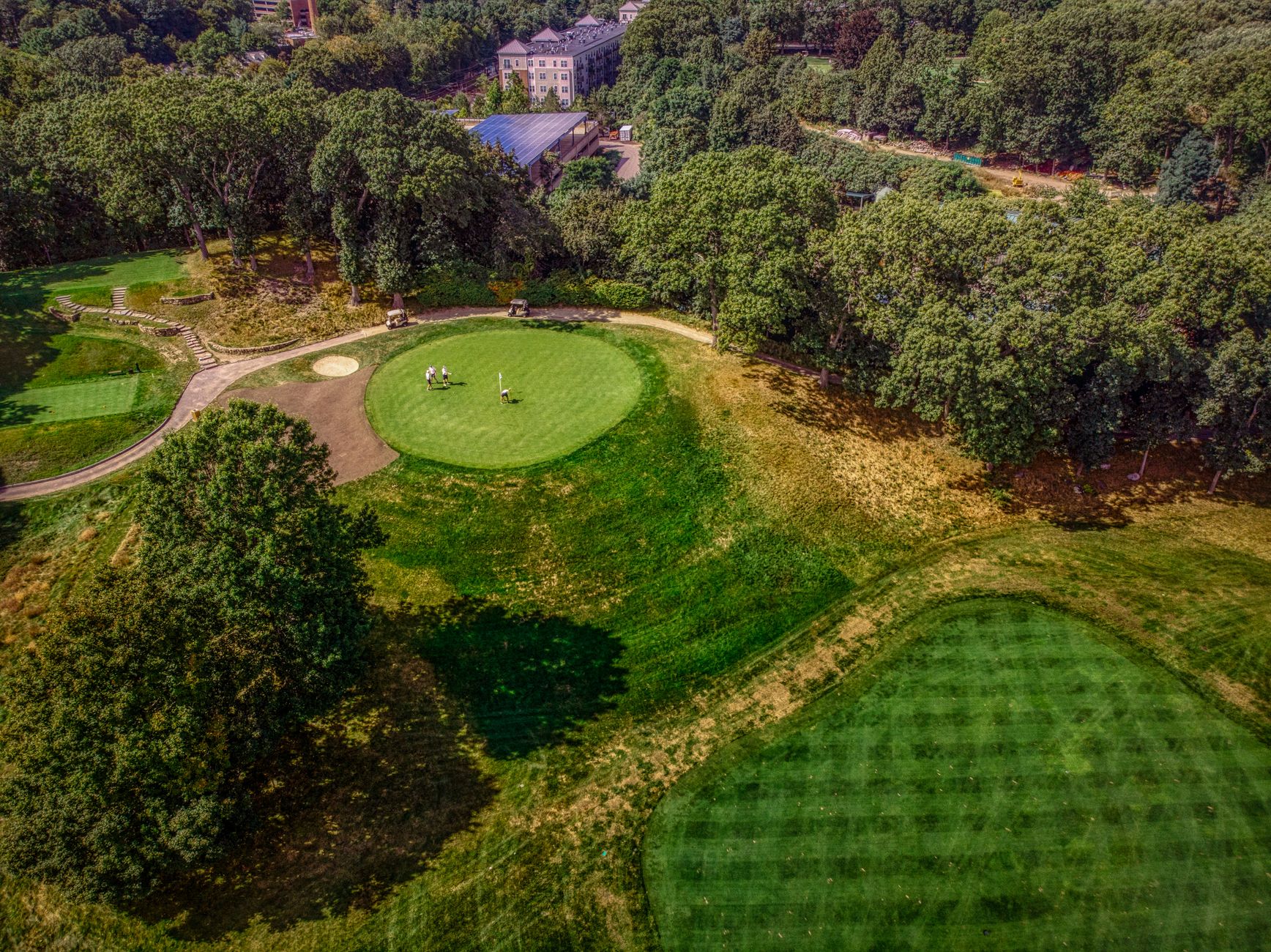
Ordering too little sand means a second delivery and a gap in your program. Ordering too much ties up budget and storage space. Getting the quantity right starts with a simple calculation — and Jackson Sand makes it even easier with a free online tool.
Greens: Calculating Top Dressing Volume
The formula for a single top dressing application on a putting green is straightforward:
- Measure green area in square feet
- Multiply by application depth in feet (1/8 inch = 0.0104 ft; 1/4 inch = 0.0208 ft)
- Divide by 27 to convert cubic feet to cubic yards
- Multiply by 1.35 to convert cubic yards to tons (approximate bulk density for medium silica sand)
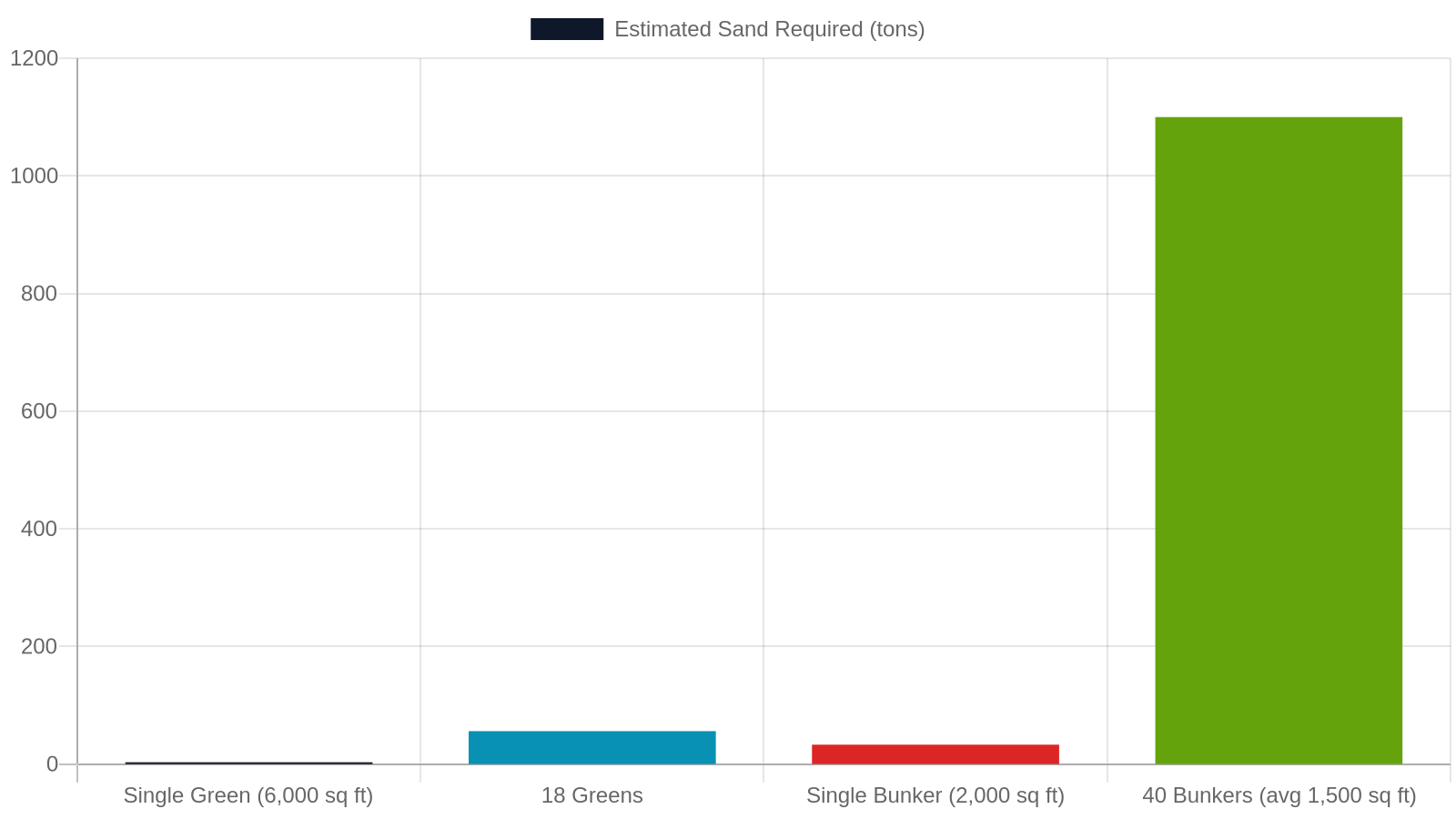
Example: A 6,000 sq ft green at 1/8 inch depth = 6,000 × 0.0104 ÷ 27 × 1.35 = approximately 3.1 tons per application. For 18 greens, that is roughly 56 tons per event.
Bunkers and Fairways: Larger Volume Estimates
Bunker renovation sand volumes depend on bunker area and target depth (typically 4 inches on flat areas). A 2,000 sq ft bunker at 4-inch depth requires approximately 25 cubic yards or 33 tons of sand. For a course with 40 bunkers averaging 1,500 sq ft, a complete renovation could require 900–1,200 tons of bunker sand.
Fairway renovation programs are even larger in scale. Rather than estimating by hand, use the free Jackson Sand yardage calculator — enter your dimensions and it returns cubic yards and tons instantly. It works for greens, bunkers, fairways, and any other application.
Why Local Sourcing Matters for West Tennessee Golf Courses
Shipping sand long distances adds cost and introduces variability. For golf courses in West Tennessee and the surrounding Mid-South, sourcing from a local supplier who controls the entire process — mixing, testing, and delivery — is both a practical and agronomic advantage.
Consistency Across Deliveries
One of the most overlooked risks in sand purchasing is batch-to-batch variability. A supplier who sources from multiple pits or blends material from different regions may deliver sand that looks similar but has measurably different particle-size distributions between loads. Over a season of top dressing, this variability accumulates into layering problems that are difficult and expensive to correct.
Jackson Sand mixes its own sand on premises at 139 United Dr. in Jackson, TN — from the same high-quality source materials, in the same ratios, every time. When you order the same product twice, you get the same product twice.
Delivery in Jackson Sand's Own Trucks
Jackson Sand owns and operates its own delivery fleet. That means loads are not handed off to a third-party hauler who may mix materials or deliver short. Every load is weighed, loaded, and delivered by Jackson Sand personnel — keeping the material clean and the quantity accurate. For golf courses in Jackson, TN and throughout West Tennessee and the Mid-South, this translates to fewer surprises on delivery day and more confidence in every spec sheet.
Comparing Sand Types for Golf Course Applications at a Glance
Not all golf course sand applications call for the same material. The table below summarizes the key specifications and best-fit applications for the main sand types used on a typical 18-hole course. Use it as a quick reference when evaluating products or discussing options with your supplier.
Ready to Order Golf Course Sand in West Tennessee?

Choosing the right sand is a decision that pays dividends for years. Jackson Sand makes it straightforward: lab-tested products, consistent mixing, and delivery in their own trucks throughout West Tennessee and the Mid-South. Here is how to take the next step.
What to Have Ready Before You Call
To get an accurate quote and confirm product availability, have the following information ready:
- Application type (greens, bunkers, fairways, top dressing, drainage layer)
- Area in square feet and target depth in inches
- Your existing root-zone sand spec, if matching for top dressing
- Preferred delivery window and site access details
If you are not sure about quantities, use the yardage calculator first — it takes about 60 seconds and gives you a number you can bring to the conversation.
Jackson Sand Is Ready to Help
Jackson Sand has been serving golf courses, athletic fields, contractors, and homeowners across West Tennessee and the Mid-South from its facility at 139 United Dr., Jackson, TN 38305. Whether you need a single load of top dressing sand or a full bunker renovation supply, the team mixes to spec, loads clean, and delivers in their own trucks.
Explore the full range of golf course products and services — including bunker sand, top dressing sand, and drainage aggregate — on the Jackson Sand golf course sand page. When you are ready to talk through your project, call 731-668-0440. Carlton Pope and Wes Lipford are happy to walk through the specs with you and make sure you get the right material for the job.
Frequently Asked Questions
What is the best sand for golf course putting greens?
The best sand for putting greens is a medium-fine silica sand with at least 60% of particles in the 0.25–0.5 mm range, less than 3% silt and clay combined, and a saturated hydraulic conductivity of 6–24 inches per hour — consistent with USGA root-zone specifications. Rounded to sub-angular particle shape is preferred for surface stability and drainage.
How much sand does it take to top dress 18 greens?
At a standard 1/8-inch application depth on 6,000 sq ft greens, each event requires roughly 56 tons of sand for 18 greens. Annual programs typically range from 300 to 600 tons depending on application frequency. Use the Jackson Sand yardage calculator at jacksonsand.com/yardage-calculator/ for project-specific estimates.
What is the difference between bunker sand and green sand?
Bunker sand is typically coarser and more angular than green sand, which helps it resist washout on bunker faces and hold its shape after rain. Green sand is finer and more rounded to create a smooth, consistent putting surface and match the USGA root-zone gradation. Using bunker sand as top dressing — or vice versa — can cause layering and drainage problems.
Does top dressing sand need to match my existing root zone?
Yes. Top dressing sand should closely match the particle-size distribution of your existing root zone — ideally within 0.1 mm of the median particle diameter (D50). Mismatched sand creates layering that impedes drainage and can lead to disease and surface inconsistency. Request a sieve analysis of both materials before purchasing.
Does Jackson Sand deliver to golf courses in West Tennessee?
Yes. Jackson Sand delivers throughout West Tennessee and the surrounding Mid-South region using their own trucks, which keeps loads clean and quantities accurate. Delivery is included. Call 731-668-0440 or visit jacksonsand.com/golf-course-sand/ to discuss your project.
How do I know if a sand meets USGA specifications?
Ask the supplier for a sieve analysis and hydraulic conductivity test results. USGA-compliant sand will show at least 60% of particles in the medium range (0.25–0.5 mm), less than 3% silt plus clay, and a Ksat of 6–24 in/hr. Jackson Sand publishes lab-tested spec sheets for all products at jacksonsand.com/sand-specs/.