
Seepage Drainage Aggregate: Your 8-Point Guide for West Tennessee
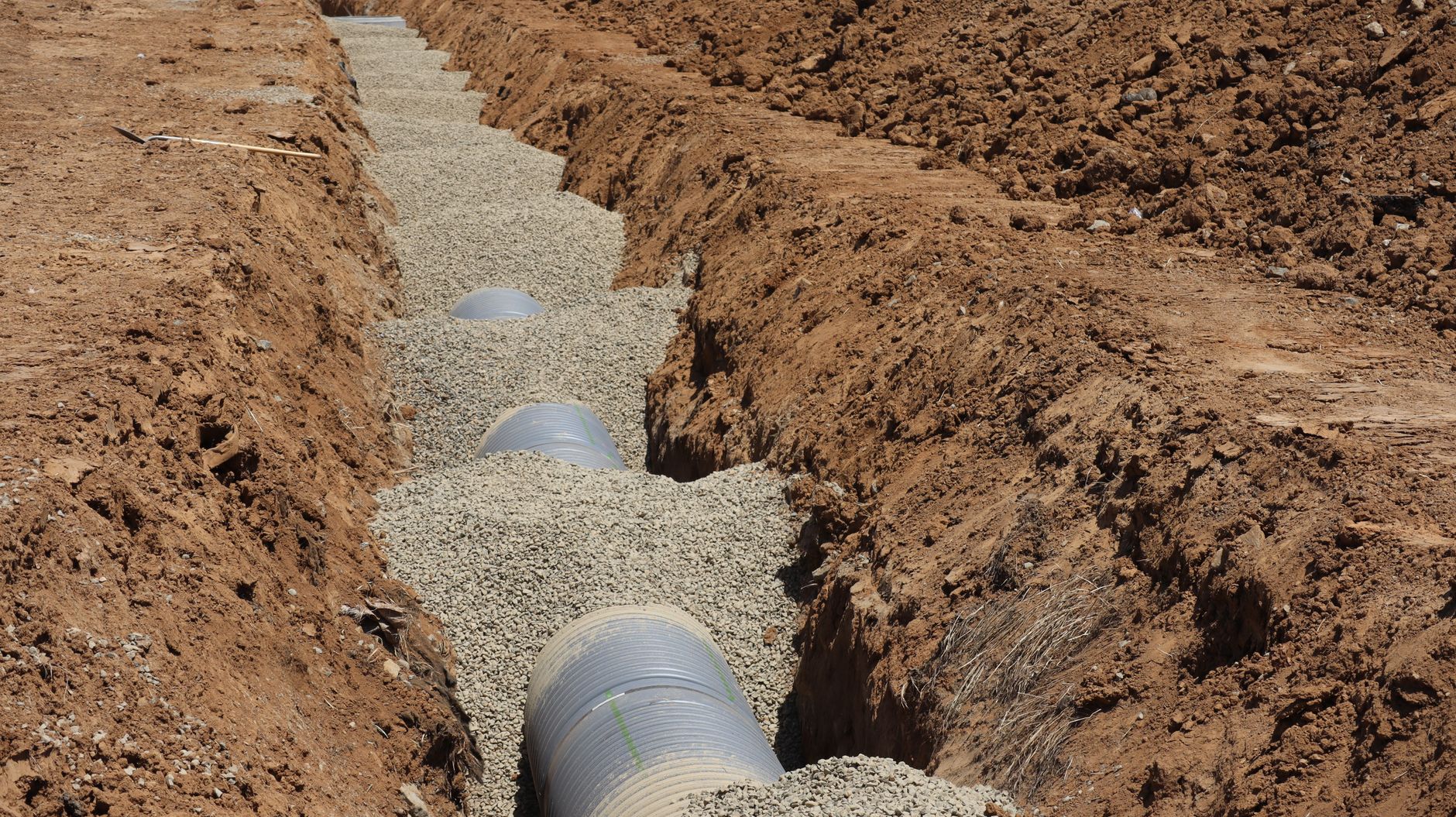
Quick answer: Seepage drainage aggregate is a carefully graded sand, gravel, or crushed stone material installed in trenches, basins, or beneath turf to move excess water down and away from a site through the soil profile. In West Tennessee's heavy clay soils, choosing the right particle size and gradation is critical — the wrong material clogs fast and fails silently. Jackson Sand, located in Jackson, TN at 731-668-0440, supplies lab-tested seepage drainage aggregate and delivers in their own trucks across the region, so you get a clean, accurate load every time.
1. What Seepage Drainage Aggregate Actually Is
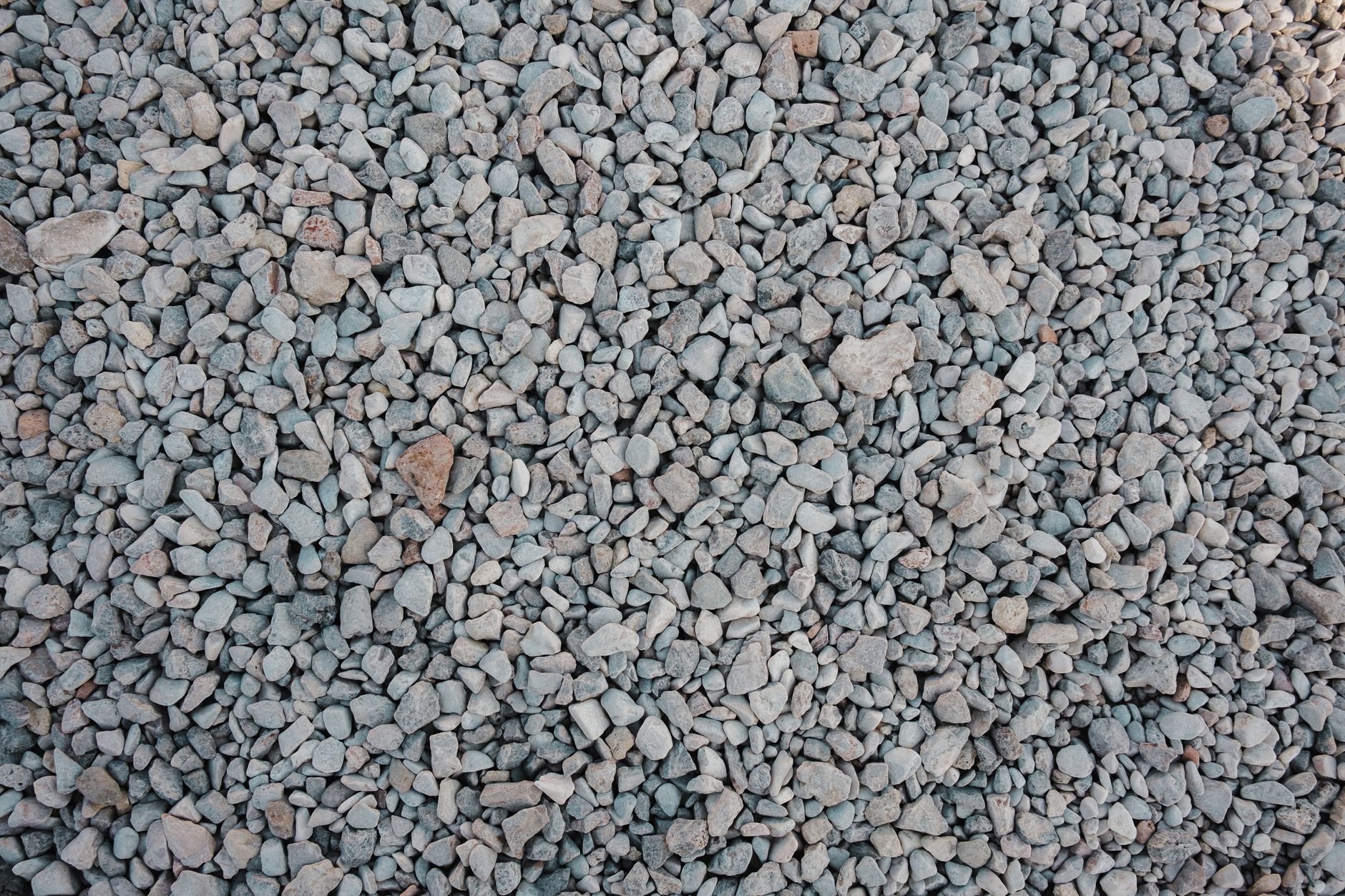
Before you can choose the right product, you need a clear picture of what seepage drainage aggregate is and how it works. The term covers a range of materials — from coarse sand to crushed stone — but they all share one defining trait: high permeability. That means water passes through the material quickly and reliably, year after year, without the pores clogging under normal conditions.
Understanding the physics behind seepage drainage helps you make smarter purchasing decisions, avoid common installation mistakes, and communicate clearly with contractors and suppliers.
Defining 'Seepage' vs. Surface Drainage
Seepage drainage moves water through the soil profile rather than across the surface. Where surface drainage relies on slope and swales to carry runoff away, seepage drainage intercepts water at or just below the turf line and allows it to percolate downward into a permeable aggregate layer, then migrate laterally to an outlet or collection point.
- Surface drainage — sheet flow across graded ground, handled by slope and swales
- Seepage drainage — subsurface percolation through a permeable aggregate layer
- Drainage basins — catch structures that collect both surface and seepage flow
Most real-world drainage problems require all three working together, but seepage aggregate is the backbone of any subsurface system.
How Aggregate Particle Size Controls Water Movement
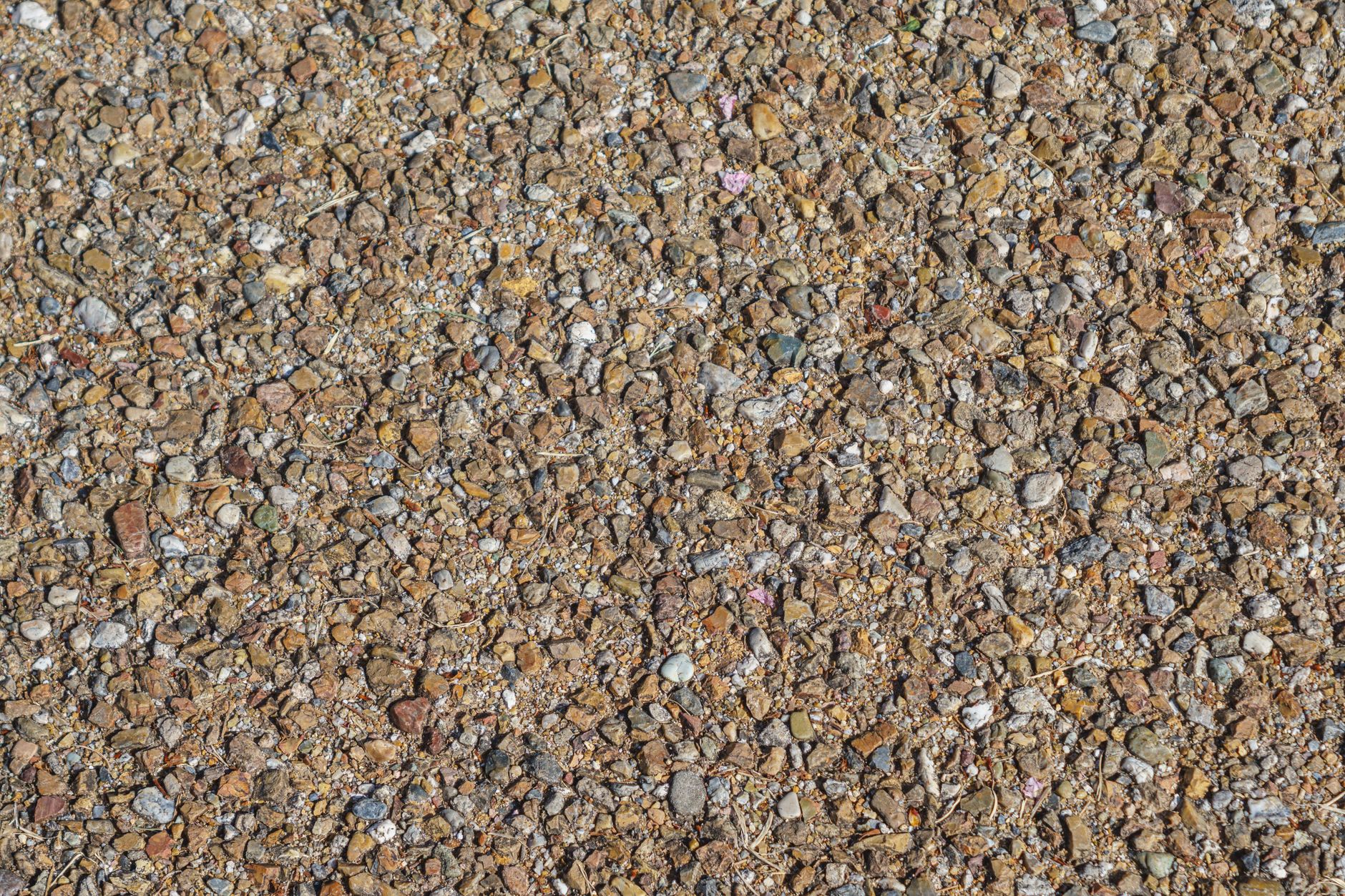
Water moves through aggregate by gravity and capillary action. The void space between particles — called porosity — determines how fast water can enter and travel. A well-graded pea gravel (3/8″ to 3/4″) can carry several hundred gallons per hour per linear foot of trench, while a poorly sorted mix with too many fines can drop to near zero as particles bridge the gaps and clog.
Key sizing benchmarks for seepage aggregate:
- Coarse sand (0.5 mm – 2 mm): ideal for filter layers and USGA-spec root zones
- Pea gravel (3/8″ – 1/2″): standard pipe bedding and French drain fill
- Clean crushed stone (3/4″ – 1.5″): high-flow collector trenches and basin backfill
Jackson Sand publishes detailed particle-size data for every product — review the sand specs and lab test results before specifying a material for your project.
2. Why West Tennessee Soils Make Drainage So Challenging
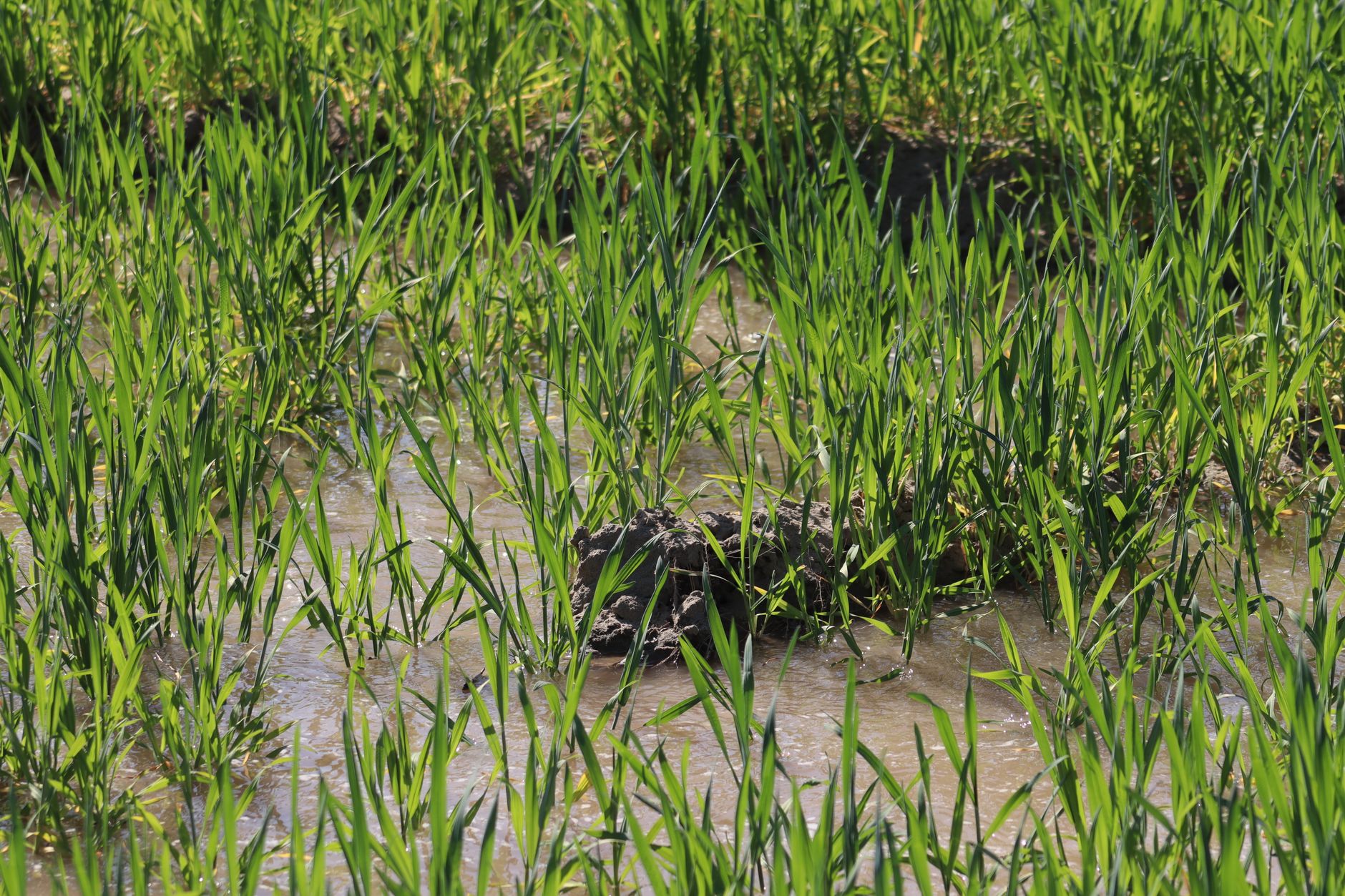
West Tennessee presents a specific set of drainage challenges that suppliers and contractors in other regions don’t always account for. Understanding the local soil and climate context helps you design a seepage drainage system that’s appropriately sized and correctly specified — not just a generic solution copied from a catalog.
Clay-Heavy Profiles Across Jackson and the Mid-South
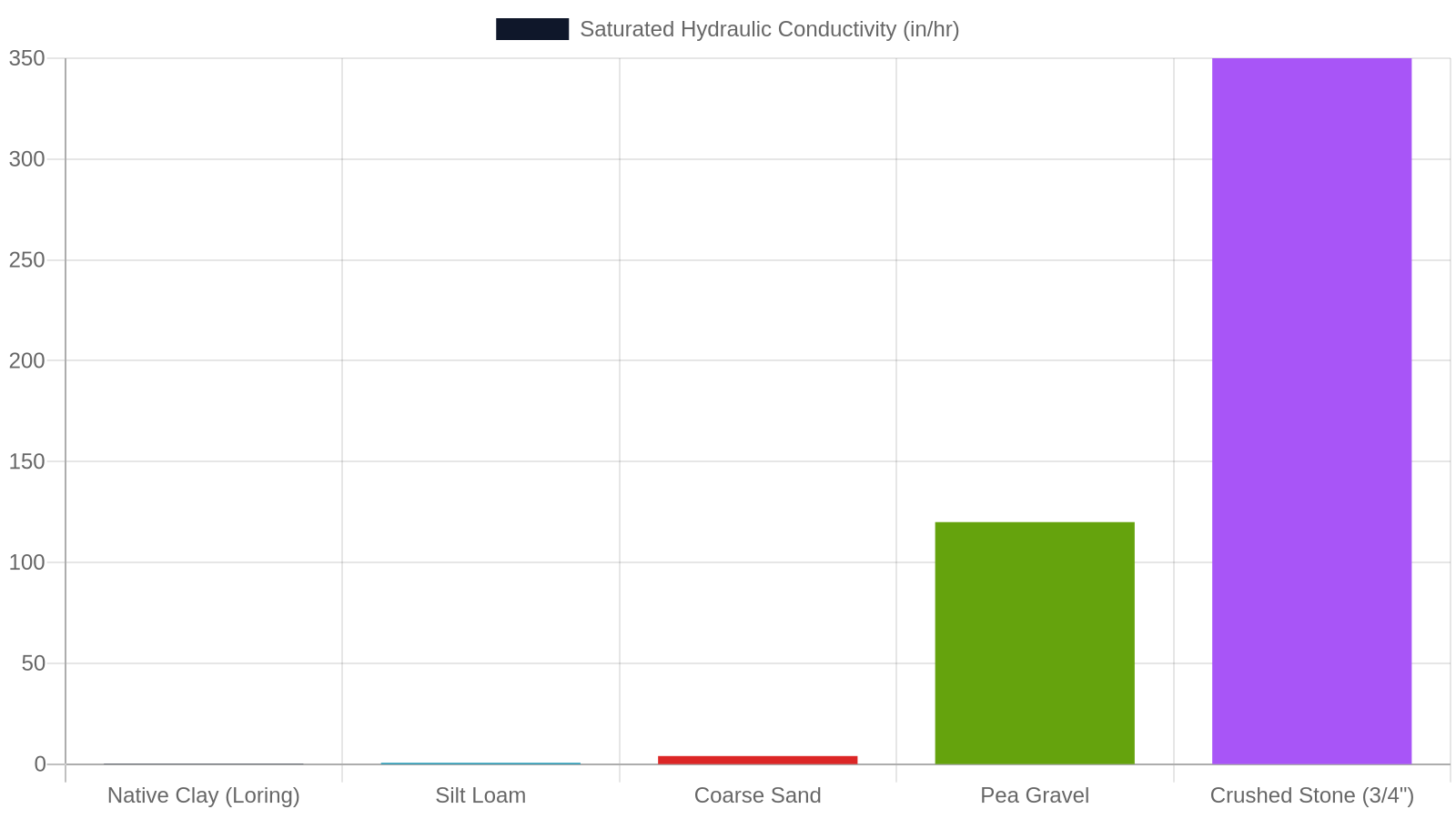
Much of the soil in Madison County and the surrounding Mid-South is dominated by Loring silt loam and related clay-rich series. These soils have a saturated hydraulic conductivity (Ksat) that can fall below 0.2 inches per hour — compared to 2–6 inches per hour for a well-graded coarse sand. In practical terms, clay soil absorbs water roughly 10–30 times more slowly than a properly installed aggregate layer.
That gap is why standing water after a moderate rain is so common on West Tennessee athletic fields, golf courses, and residential lawns. The native soil simply cannot accept water fast enough to prevent saturation at the surface.
Seasonal Rainfall Patterns That Stress Drainage Systems
Jackson, TN averages approximately 54 inches of rainfall per year, with the wettest months typically running from December through May. Spring rains often arrive as multi-inch events over 24–48 hours — exactly the conditions that overwhelm clay soils and expose undersized or poorly designed drainage systems.
- December–March: frequent slow soaking rains that saturate the profile
- April–May: heavy convective storms, often 2–4 inches in 24 hours
- Summer: intense but shorter thunderstorms; heat accelerates evaporation
- Fall: generally drier, ideal time to install drainage before winter
Sizing your seepage aggregate layer for peak-season rainfall — not average rainfall — is the difference between a system that works and one that fails every spring.
Compaction from Traffic and Heavy Equipment
Athletic fields and golf courses face an additional challenge: traffic compaction. Foot traffic, mowers, and maintenance vehicles progressively squeeze native soil particles together, reducing porosity from an already low baseline. A compacted clay soil can reach Ksat values near zero, meaning virtually no water infiltrates at all.
Seepage drainage systems installed beneath playing surfaces bypass this problem entirely by routing water into a permeable aggregate layer that sits below the compaction zone. Paired with regular core aeration — which Jackson Sand also supports with top dressing sand and aeration services — subsurface drainage can restore playability even on heavily trafficked fields.
3. The Four Main Types of Seepage Drainage Aggregate
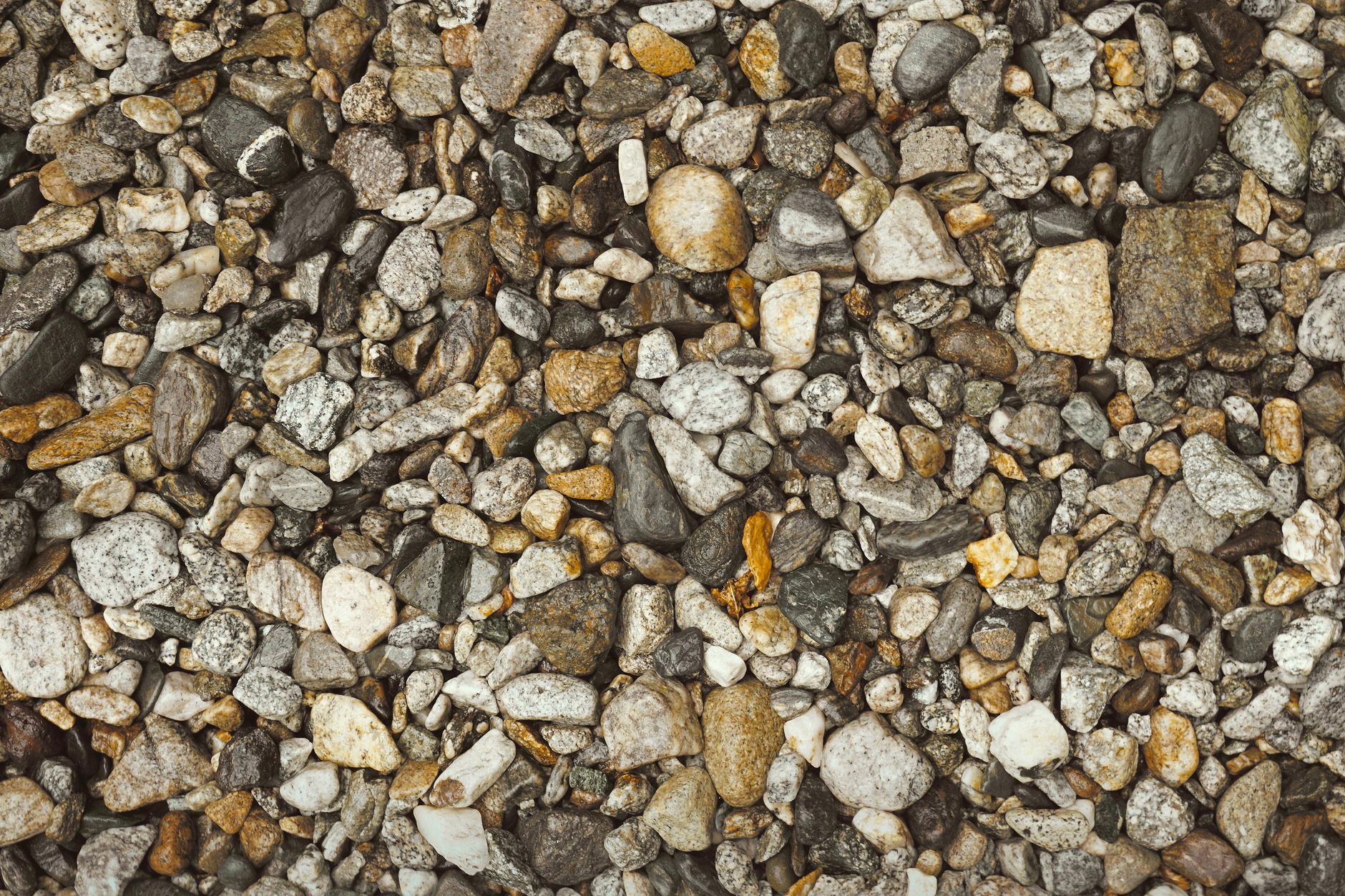
Not all drainage aggregate is the same, and using the wrong type for your application is one of the most common — and costly — drainage mistakes. Here is a plain-language breakdown of the four main categories, what they’re best suited for, and how they differ in performance.
Coarse Sand: The Root-Zone Foundation
Coarse sand — typically in the 0.5 mm to 2.0 mm particle range — is the material of choice for USGA-specification root zones on golf greens and high-performance athletic fields. It provides enough porosity to drain rapidly while still supporting turfgrass roots and resisting compaction under traffic.
Jackson Sand mixes its own sand on premises from high-quality materials, which means every load meets consistent gradation standards rather than varying batch to batch. For projects where particle size tolerances matter — like a golf green rebuild — that consistency is not a luxury, it’s a requirement.
Pea Gravel: The Workhorse of French Drains
Pea gravel (3/8″ to 1/2″ rounded stone) is the most widely used seepage aggregate for residential and light commercial French drain systems. Its rounded shape creates large, stable void spaces that resist bridging and clogging, and its small size makes it easy to work with in narrow trenches.
- Typical trench width: 6–12 inches
- Typical trench depth: 18–36 inches
- Recommended pipe bedding depth: 3–4 inches below the pipe
- Cover above pipe before filter fabric wrap: 6–12 inches of pea gravel
For most residential drainage projects in Jackson and West Tennessee, pea gravel is the right starting point.
Crushed Stone: High-Volume Collector Trenches
Angular crushed stone in the 3/4″ to 1.5″ range is used where high flow rates are needed — collector trenches on golf courses, perimeter drains around large buildings, and athletic field edge drains. The angular shape means particles lock together and resist settling, while the large size creates exceptional void volume.
One important note: crushed stone should always be used with a properly specified filter fabric or a transition sand layer. Without a filter, fine soil particles migrate into the aggregate over time, progressively reducing permeability — a process called fines migration or piping.
Drainage Sand Blends: Bridging the Gap
For applications that need more permeability than native soil but more stability than pure gravel — such as top dressing layers, aeration backfill, or shallow seepage beds — a blended drainage sand is often the right answer. These blends combine coarse sand with a small percentage of finer material to improve particle-to-particle contact while maintaining adequate hydraulic conductivity.
Jackson Sand’s ability to mix materials on premises means custom blends are practical — you’re not limited to whatever bags happen to be on a shelf. Call 731-668-0440 to discuss your project’s specific gradation needs.
4. Seepage Drainage for Golf Courses: What Superintendents Need
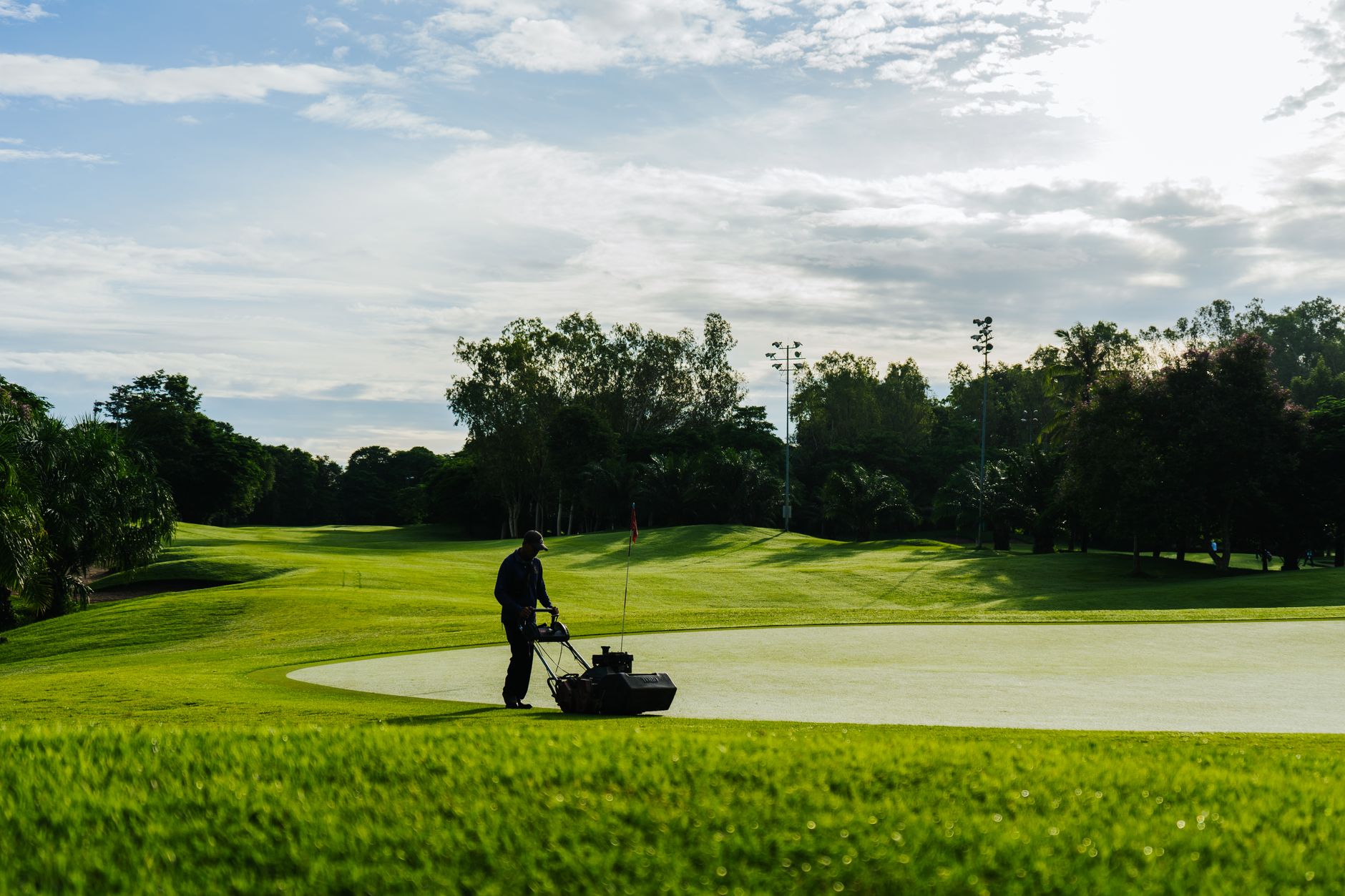
Golf course superintendents in West Tennessee face some of the most demanding drainage requirements of any turf manager. Between USGA-spec green construction, fairway collector systems, and bunker drainage, the aggregate specifications vary significantly by application — and getting them wrong means expensive rework.
USGA Root Zone Specifications and Why They Matter
The United States Golf Association’s agronomic research arm publishes detailed specifications for putting green construction, including strict requirements for the sand used in the root zone mix. Key USGA thresholds include:
- Particle size: at least 60% of particles between 0.25 mm and 1.0 mm (medium to coarse sand)
- Hydraulic conductivity: 6–24 inches per hour for the finished root zone mix
- Organic matter: 1–5% by weight in the peat-sand mix
- Fines content: less than 3% particles below 0.15 mm
Meeting these specs requires a sand source with reliable, documented gradation — not a generic “washed sand” from an unknown origin. Jackson Sand publishes lab-tested spec sheets for its golf course products.
Fairway and Rough Drainage: Collector Pipe Systems
Beyond greens, golf course superintendents deal with drainage across fairways, approaches, and rough areas that may cover hundreds of acres. Collector pipe systems — perforated pipe bedded in crushed stone or coarse aggregate, wrapped in filter fabric — are the standard solution for these areas.
Aggregate selection for fairway drainage focuses on flow capacity and longevity rather than the tight gradation specs required for root zones. A clean 3/4″ crushed stone or a washed pea gravel works well in most collector trench applications across West Tennessee courses.
Jackson Sand delivers in its own trucks, which means loads arrive clean and uncontaminated — important when you’re backfilling around perforated pipe and can’t afford fines migration from a dirty load.
Bunker Drainage: Often Overlooked, Always Critical
Bunker drainage is a separate but related challenge. A bunker that holds water after rain is unplayable and damages the sand’s playing characteristics. Most modern bunker drainage systems use a gravel drainage blanket — a 4–6 inch layer of clean aggregate beneath the bunker sand — connected to an outlet pipe.
Jackson Sand supplies both bunker sand and the drainage aggregate that goes beneath it, so superintendents can source both materials from a single, reliable supplier rather than coordinating multiple vendors.
5. Athletic Field Seepage Drainage: Schools, Parks, and Colleges
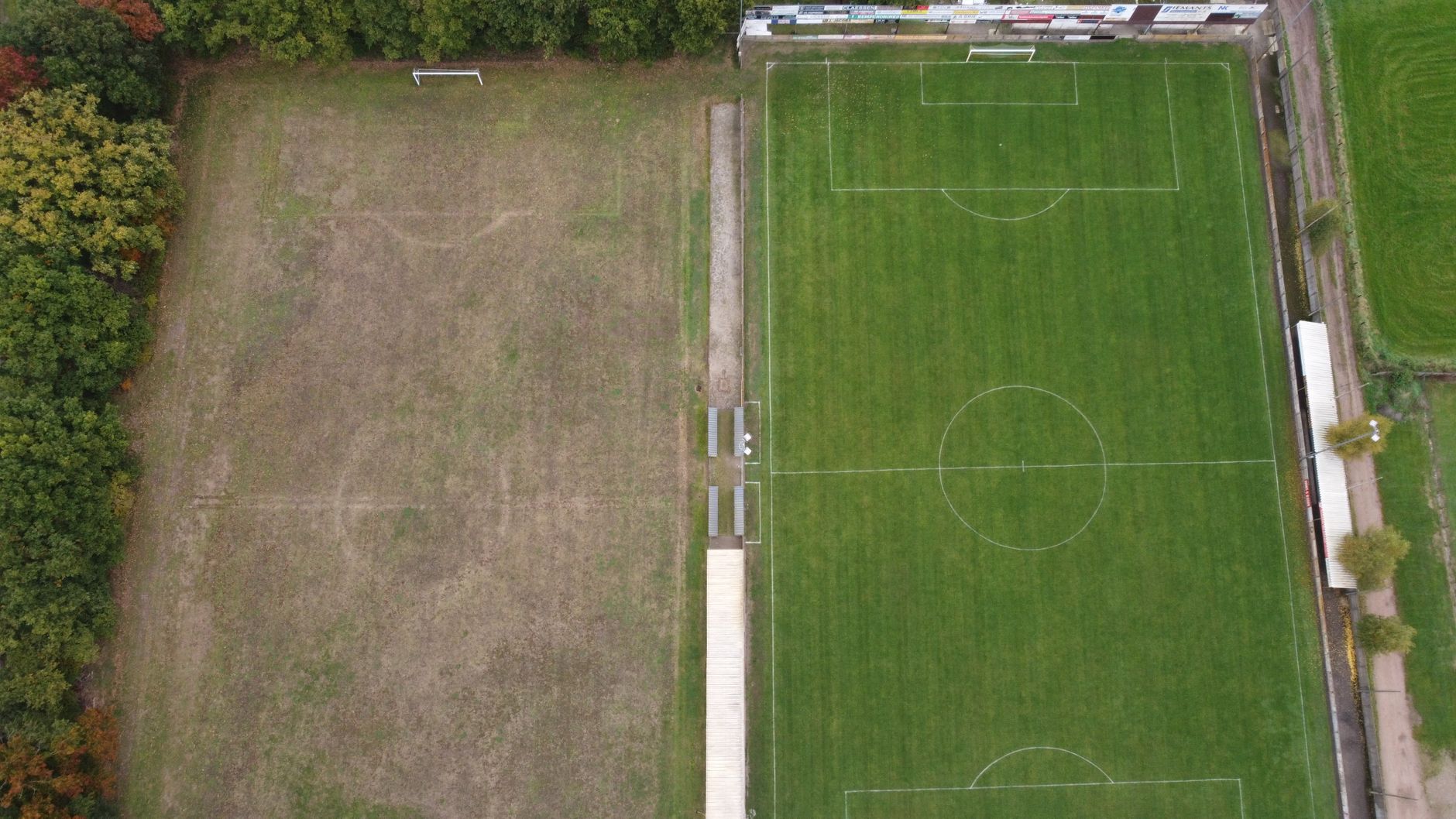
For school athletic directors, parks and recreation departments, and college facilities managers in West Tennessee, a waterlogged field means canceled games, damaged turf, and unhappy coaches. Seepage drainage aggregate is the foundation of any system that keeps fields playable through West Tennessee’s wet winters and springs.
Why Athletic Fields Drain Differently Than Golf Courses
Athletic fields — football, soccer, baseball, softball — experience far more concentrated foot traffic than golf fairways, and they’re used in conditions (rain, mud, cold) that golf courses simply close for. That means drainage systems must be more robust and must recover faster after a rain event.
The standard approach for high-use athletic fields is a slit drain system: narrow trenches (2–4 inches wide) cut at 3–5 foot intervals across the field, filled with coarse sand or fine gravel, connected to a collector pipe. Water infiltrates through the turf into the slit, travels laterally through the aggregate, and exits through the pipe network.
Aggregate Specs for Slit Drain Systems
Slit drain aggregate must be fine enough to stay in the narrow trench without bridging, but coarse enough to drain rapidly. In practice, this means a washed coarse sand or a very fine pea gravel (1/4″ to 3/8″) is typically specified.
- Trench width: 2–4 inches
- Trench depth: 12–18 inches
- Aggregate: washed coarse sand or 1/4″ pea gravel
- Spacing: 3–5 feet on center for high-use fields
- Collector pipe: 4″ perforated, bedded in larger aggregate
Jackson Sand works with athletic field managers and contractors across West Tennessee to supply the right gradation for slit drain projects. Their on-site mixing capability means they can hit specific gradation targets that off-the-shelf products may not meet.
Top Dressing After Aeration: Completing the System
Seepage drainage doesn’t work in isolation. On compacted athletic fields, the connection between the surface and the subsurface aggregate layer must be maintained through regular core aeration and top dressing. Aeration pulls plugs of compacted soil, and top dressing sand fills those channels — creating vertical pathways that link the surface to the drainage layer below.
Jackson Sand provides top dressing sand and top dressing services, making it practical for school districts and parks departments to maintain their drainage systems without sourcing materials and labor separately. Learn more about athletic field sand and services from Jackson Sand.
6. Residential Seepage Drainage: What Homeowners in Jackson Need to Know
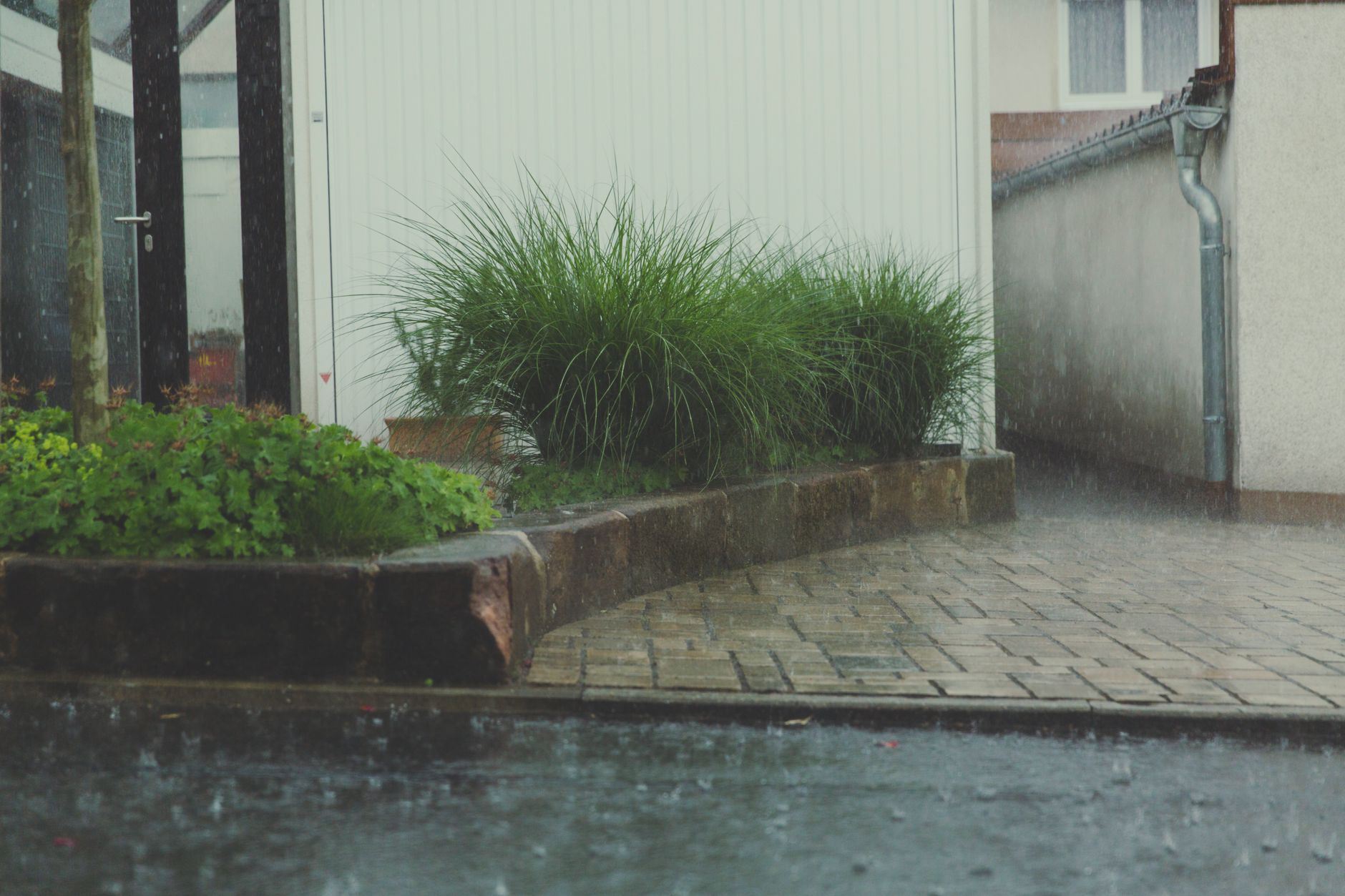
Homeowners in Jackson, TN and across West Tennessee deal with many of the same drainage problems as turf professionals — just on a smaller scale. A wet basement, a perpetually soggy corner of the yard, or water pooling against a foundation are all problems that seepage drainage aggregate can solve. The key is choosing the right material and getting the volume right before you start digging.
French Drains: The Most Common Residential Solution
A French drain is a gravel-filled trench — with or without a perforated pipe — that intercepts groundwater or surface runoff and redirects it away from a foundation, low spot, or saturated area. It’s the most widely installed seepage drainage solution for residential properties in West Tennessee.
A properly built residential French drain typically includes:
- A trench 12–24 inches wide and 18–36 inches deep
- Filter fabric lining the trench walls and bottom
- 3–4 inches of clean pea gravel as pipe bedding
- A 4″ perforated pipe (optional but recommended for longer runs)
- Pea gravel backfill to within 4–6 inches of the surface
- Topsoil cap and sod or seed to finish
How Much Aggregate Do You Need?
Calculating aggregate volume before you order saves time and money. A basic formula for a trench: multiply length × width × depth (all in feet) to get cubic feet, then divide by 27 to get cubic yards. A 50-foot French drain, 1 foot wide and 2 feet deep, requires approximately 3.7 cubic yards of pea gravel.
Don’t guess — use Jackson Sand’s free yardage calculator to get an accurate estimate before you call. It handles multiple shapes and materials, so you can price your project with confidence before you pick up the phone.
Delivery to Your Property: What to Expect
Jackson Sand delivers in its own trucks, which means you’re not dealing with a third-party hauler who may not know your material or your site. Loads are clean and accurately measured — important when you’re paying by the yard and need a specific quantity to complete a job.
For residential customers in Jackson and across West Tennessee, delivery is included. Call 731-668-0440 to discuss your project, confirm product availability, and schedule a delivery window that works for your timeline.
7. Choosing the Right Aggregate: A Practical Comparison
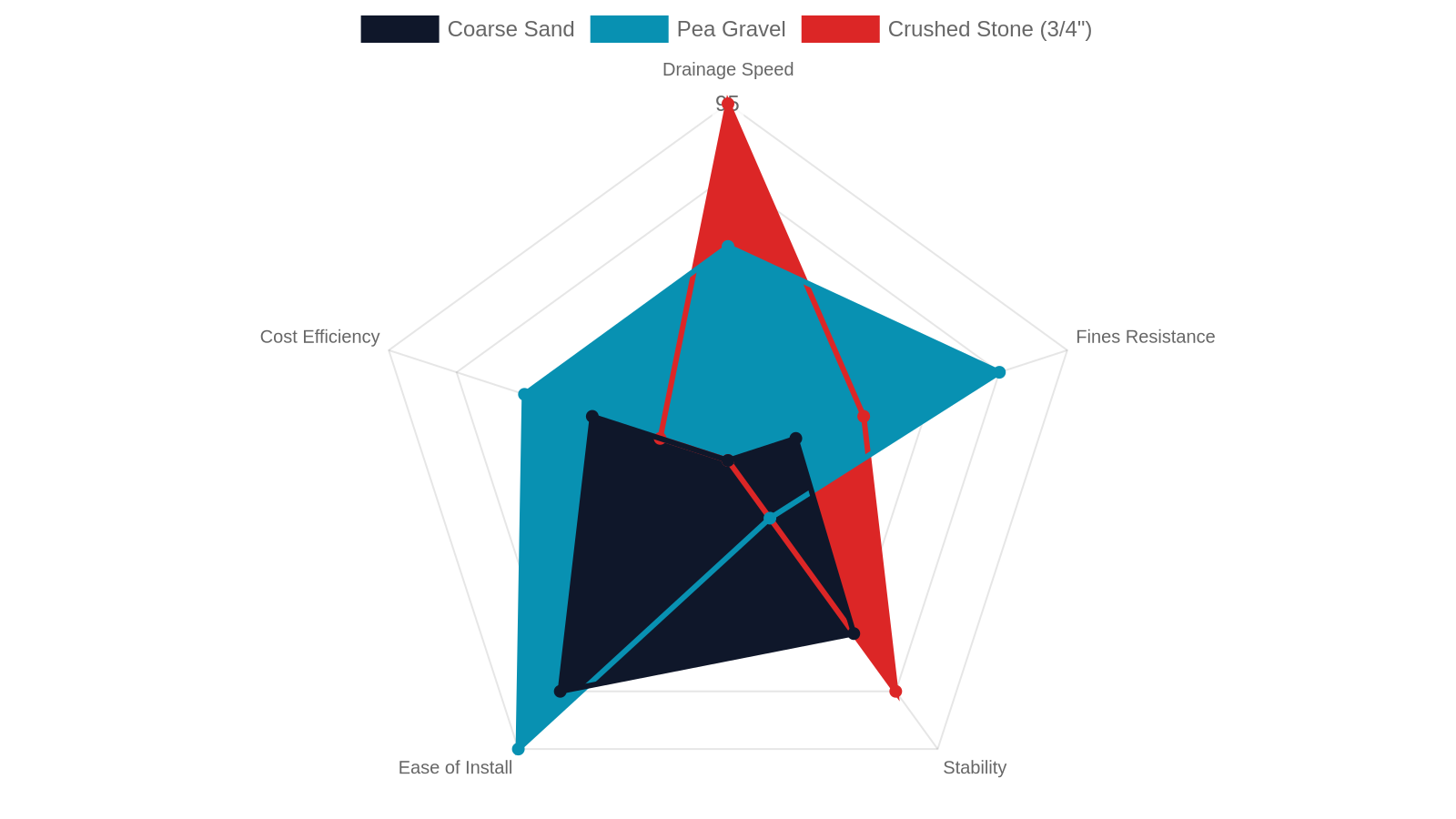
With several aggregate types available, how do you choose? The comparison table below summarizes the key attributes of the most common seepage drainage materials so you can match the right product to your application quickly.
Gradation: The Most Important Specification
Gradation refers to the distribution of particle sizes within an aggregate sample. A well-graded aggregate has a range of particle sizes that pack together efficiently; a uniformly graded aggregate has particles all near the same size, which creates high void space and fast drainage.
For seepage drainage, uniformly graded aggregate is almost always preferred — you want maximum void space for water movement, not dense packing. This is why washed, screened materials outperform pit-run or crusher-run products in drainage applications. Always ask for a gradation report or refer to published spec sheets before purchasing.
Fines Content: The Silent Killer of Drainage Systems
Fines — particles smaller than 0.075 mm (the No. 200 sieve) — are the enemy of seepage drainage. Even a small percentage of fines can dramatically reduce permeability by filling the void spaces between larger particles. Industry guidelines generally call for less than 3–5% passing the No. 200 sieve for drainage aggregate.
This is why buying from a supplier who washes and screens their material matters. Jackson Sand mixes its own products on premises and maintains quality control throughout the process — you’re not getting a mystery blend from an unverified source.
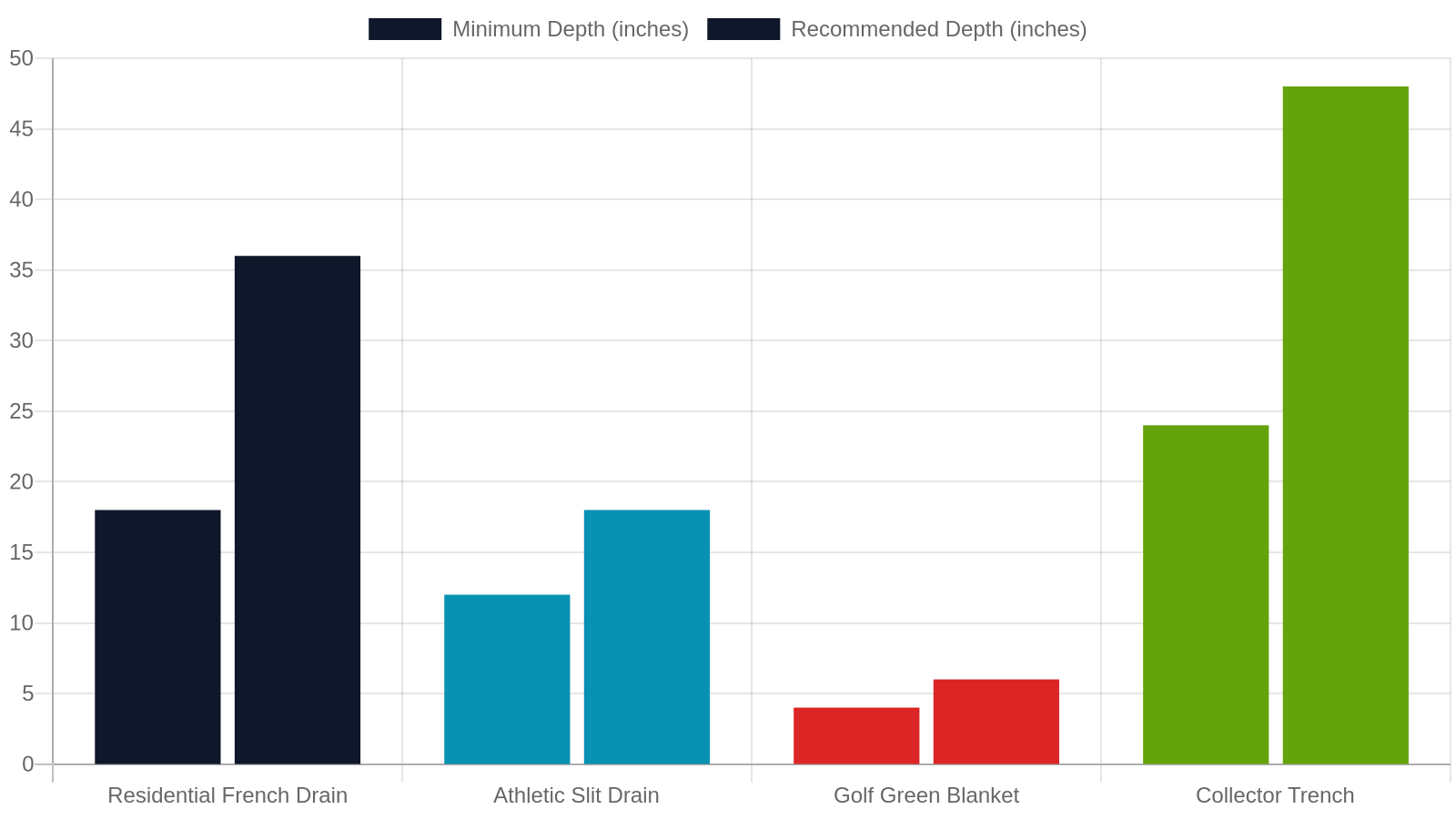
8. Installation Depth and Volume: Getting the Numbers Right
Even the right aggregate fails if it’s installed at the wrong depth or in the wrong volume. Before you order material or break ground, spend a few minutes on the numbers — it will save you a second trip to the supplier and prevent the most common installation mistakes.
Minimum Depths for Effective Seepage
Depth requirements vary by application, but here are widely used benchmarks:
- Residential French drain: 18–36 inches deep; deeper in clay-heavy soils to reach a more permeable layer
- Athletic field slit drain: 12–18 inches deep, 2–4 inches wide
- Golf green drainage blanket: 4–6 inches of gravel beneath a 12-inch root zone sand layer
- Collector trench (golf/athletic): 24–48 inches deep depending on pipe size and flow requirements
Undersizing depth is a common mistake — a shallow trench in clay soil may not reach a permeable horizon, leaving water with nowhere to go even after it enters the aggregate layer.
Calculating Cubic Yards Before You Order
Ordering too little means a second delivery and a delayed project. Ordering too much wastes money. The formula is straightforward:
Cubic yards = (Length ft × Width ft × Depth ft) ÷ 27
For a 100-foot collector trench, 1.5 feet wide and 3 feet deep: (100 × 1.5 × 3) ÷ 27 = 16.7 cubic yards. Add 10–15% for compaction and waste. Use the Jackson Sand yardage calculator for instant, accurate estimates across multiple trench segments or irregular shapes — it’s free and available on the site anytime.
Seepage Drainage Aggregate at a Glance: Which Material Fits Your Project?
Use this table to quickly match your application to the right aggregate type. All materials are available from Jackson Sand with delivery included across West Tennessee.
9. Filter Fabric and Pipe: What Goes With the Aggregate
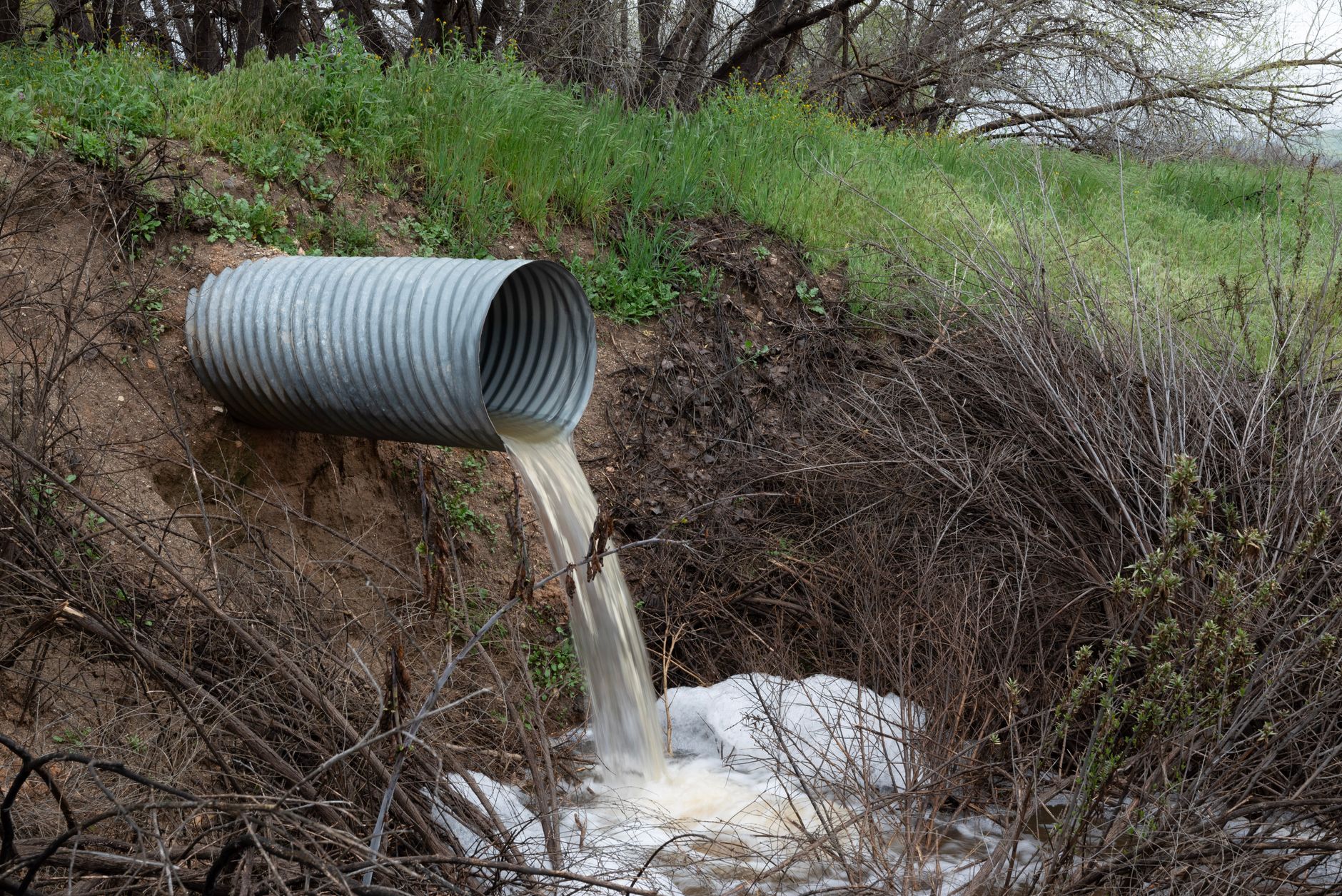
Aggregate alone is not a complete drainage system. The materials that surround and protect the aggregate — filter fabric and perforated pipe — are just as important as the stone or sand itself. Skipping or underspecifying these components is a leading cause of premature drainage system failure in West Tennessee.
Why Filter Fabric Is Non-Negotiable in Clay Soils
In West Tennessee’s clay-heavy soils, fine particles will migrate into aggregate over time if the system is not protected by a geotextile filter fabric. A properly selected nonwoven fabric wraps the aggregate and pipe, allowing water to pass while blocking soil particles. Without it, even the best aggregate will progressively clog — often within 5–10 years in heavy clay.
Fabric selection matters: the apparent opening size (AOS) of the fabric must be matched to the soil’s particle size distribution. In most Mid-South clay soils, a nonwoven fabric with an AOS of 0.15–0.30 mm (US Sieve 50–100) is appropriate.
Perforated Pipe Sizing for Common Applications
Perforated pipe collects water from the surrounding aggregate and carries it to an outlet. Pipe sizing is determined by the drainage area and expected flow rate. Common sizes:
- 4″ diameter: residential French drains, small athletic field laterals
- 6″ diameter: athletic field collector mains, golf fairway laterals
- 8″–12″ diameter: large collector mains, golf course trunk lines
Undersized pipe creates backpressure that slows the entire system. When in doubt, size up — the cost difference between 4″ and 6″ pipe is small compared to the cost of excavating and replacing an undersized system.
10. Common Seepage Drainage Mistakes and How to Avoid Them
Even well-designed seepage drainage systems fail when common mistakes are made during material selection, installation, or long-term maintenance. Here are the most frequent errors seen on West Tennessee projects — and how to avoid them before you break ground.
Using Unscreened or Dirty Aggregate
The most frequent mistake homeowners and inexperienced contractors make is purchasing aggregate without checking the fines content. “Fill gravel” or “crusher run” often contains 15–30% fines — enough to dramatically reduce permeability within the first season. Always specify washed, screened aggregate and ask for a gradation report or refer to published spec sheets before purchasing.
Inadequate Outlet: Where Does the Water Go?
A seepage drainage system must have a positive outlet — a point where collected water exits the system and flows away from the site. Common outlets include daylight outlets on slopes, connection to a storm drain or drainage basin, or a dry well in permeable soil. Without an outlet, the aggregate layer simply fills with water and stops draining.
Before designing a seepage system, identify your outlet first. If the site has no natural outlet, a drainage basin or dry well may need to be part of the design.
Skipping Maintenance After Installation
Seepage drainage systems are not entirely maintenance-free. Outlet pipes can become blocked by roots or debris. Filter fabric can clog at the surface if sediment is allowed to accumulate. On athletic fields and golf courses, regular aeration maintains the connection between the surface and the subsurface drainage layer.
A simple annual inspection — checking outlets for flow during a rain event, clearing any debris from surface inlets — extends system life significantly and catches problems before they become expensive repairs.
11. How Jackson Sand Supplies Seepage Drainage Aggregate
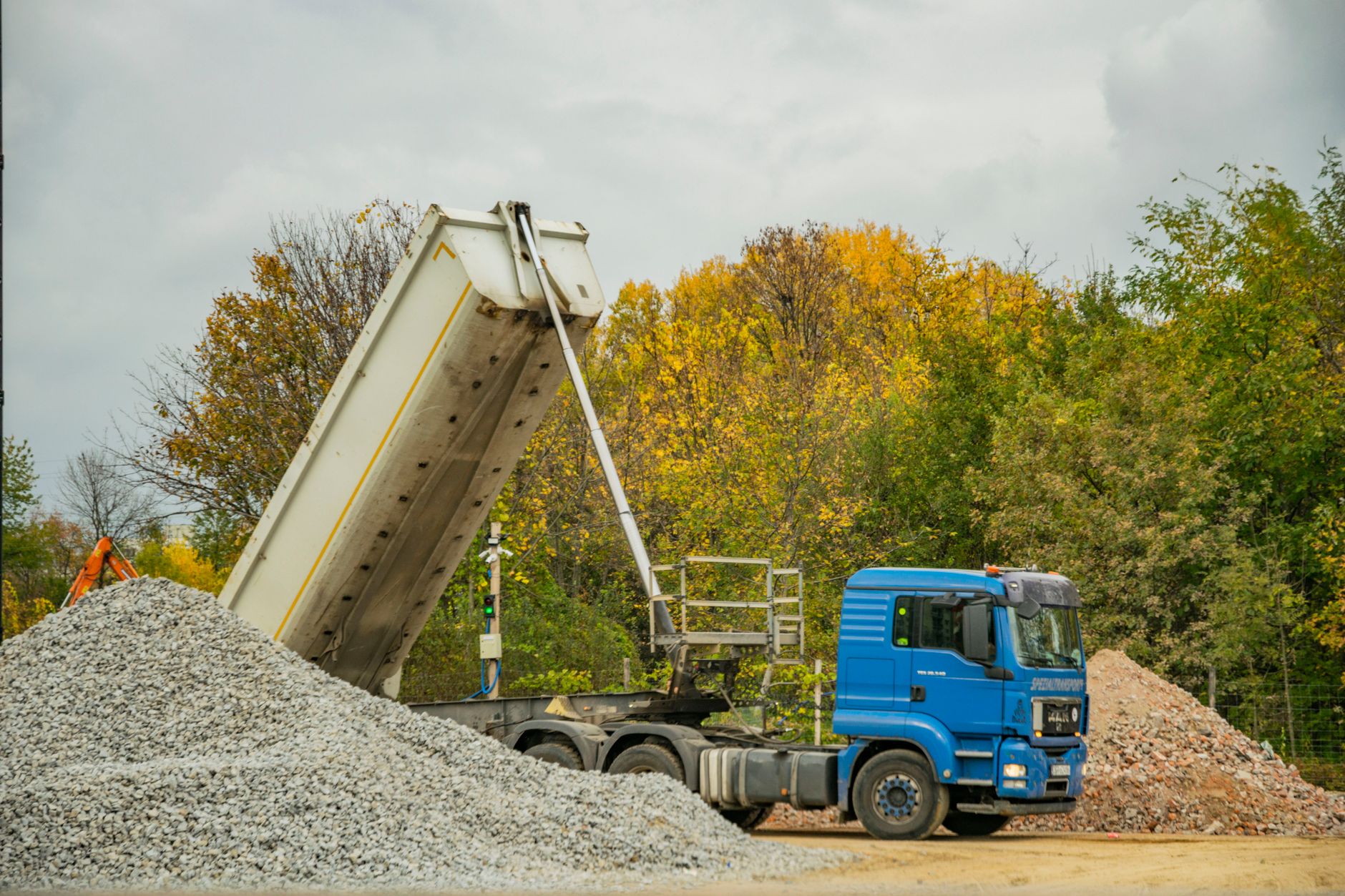
Choosing a supplier is as important as choosing the right aggregate. The quality of your drainage system depends on the consistency, cleanliness, and accuracy of every load you receive. Here’s what sets Jackson Sand apart for West Tennessee drainage projects of all sizes.
Mixed On Premises, Delivered in Their Own Trucks
Jackson Sand mixes its own aggregate products at its facility at 139 United Dr., Jackson, TN — which means every load is produced under consistent quality control rather than sourced from a variable third-party supplier. When you order a specific gradation, you get that gradation, not whatever happened to be in the bin that day.
Delivery is handled in Jackson Sand’s own trucks, not contracted out to a third-party hauler. That keeps loads clean and accurately measured — two things that matter a great deal when you’re specifying aggregate for a drainage system where fines content and volume both affect performance.
Lab-Tested Specs and the Yardage Calculator
Jackson Sand publishes lab-tested spec sheets for its products, so you can verify gradation data before you order rather than taking a salesperson’s word for it. This is particularly important for golf course superintendents and athletic field managers who need to document material specifications for project records or owner approval.
The free yardage calculator on the site handles the math for you — enter your trench dimensions and get an accurate cubic yard estimate in seconds. No spreadsheet required.
Ready to Solve Your Drainage Problem in West Tennessee?
Seepage drainage problems don’t fix themselves — and West Tennessee’s clay soils and heavy spring rains mean they typically get worse each season without intervention. The good news is that the right aggregate, properly installed, solves most drainage problems reliably and for the long term. Jackson Sand makes it straightforward to get the material you need, in the right quantity, delivered clean to your site in Jackson or anywhere across the Mid-South.
Start With the Right Aggregate, Delivered Right
Whether you’re a golf course superintendent planning a green rebuild, an athletic field manager trying to get your fields playable by spring, a contractor bidding a site drainage job, or a homeowner in Jackson with a perpetually wet backyard — the solution starts with the right aggregate, specified correctly and delivered accurately.
Jackson Sand has the products, the lab data, and the delivery capability to support drainage projects of any size across West Tennessee and the Mid-South. Call 731-668-0440 to talk through your project with the team, or visit the site to review spec sheets and run your yardage estimate before you call.
Explore Seepage Drainage Solutions
If you’re still working through the design of your drainage system — figuring out which aggregate type fits your application, how deep to go, or whether you need a collector pipe — Jackson Sand’s seepage drainage page is a good next step. It covers the products and services available for subsurface drainage projects across the region, with enough detail to help you move from planning to ordering.
Jackson Sand serves large and small jobs alike, and delivery is included. There’s no minimum order too small and no project too large for their team at 139 United Dr., Jackson, TN 38305. Reach out at 731-668-0440 and get your drainage project moving.
Frequently Asked Questions
What is seepage drainage aggregate and how is it different from regular gravel?
Seepage drainage aggregate is a washed, screened material — coarse sand, pea gravel, or crushed stone — specifically selected for high permeability and low fines content. Regular gravel or fill gravel often contains 15–30% fine particles that clog void spaces and dramatically reduce drainage performance. Seepage aggregate is tested and graded to ensure water moves through it quickly and reliably.
How much drainage aggregate do I need for a French drain in my yard?
Multiply the trench length (feet) × width (feet) × depth (feet), then divide by 27 to get cubic yards. A 50-foot trench, 1 foot wide and 2 feet deep, requires about 3.7 cubic yards. Add 10–15% for waste. Use Jackson Sand's free yardage calculator at jacksonsand.com/yardage-calculator/ for a quick, accurate estimate.
Does Jackson Sand deliver drainage aggregate to my area in West Tennessee?
Yes. Jackson Sand delivers in their own trucks and delivery is included. They serve Jackson, TN and the surrounding West Tennessee and Mid-South region. Call 731-668-0440 to confirm availability for your specific location and schedule a delivery.
What aggregate does a golf course superintendent need for USGA green construction?
USGA specifications call for a coarse sand with at least 60% of particles between 0.25 mm and 1.0 mm, less than 3% fines passing the No. 200 sieve, and a finished root zone hydraulic conductivity of 6–24 inches per hour. Jackson Sand publishes lab-tested spec sheets for its golf course sand products so superintendents can verify gradation before ordering.
Do I need filter fabric with seepage drainage aggregate in clay soil?
Yes, filter fabric is strongly recommended in West Tennessee's clay-heavy soils. Without it, fine clay particles migrate into the aggregate over time, progressively clogging the void spaces and reducing drainage capacity — often within 5–10 years. A nonwoven geotextile with an AOS of 0.15–0.30 mm is appropriate for most Mid-South clay soil conditions.
Can Jackson Sand supply both the drainage aggregate and the sand for an athletic field top dressing program?
Yes. Jackson Sand supplies seepage drainage aggregate, top dressing sand, and top dressing services, so athletic field managers can source both the subsurface drainage material and the surface maintenance sand from a single local supplier. Call 731-668-0440 or visit jacksonsand.com/athletic-fields/ for details.