
Your 10-Point Guide to Choosing an Athletic Field Sand Supplier near Jackson, TN
Quick answer: Choosing the right athletic field sand supplier near Jackson, TN means finding a source that mixes to sport-specific particle-size specs, delivers in clean dedicated trucks, and can handle jobs of any scale — from a single baseball infield to a full multi-field complex. Jackson Sand, located at 139 United Dr. in Jackson, mixes its own sand on-premises, owns its delivery fleet, and publishes lab-tested spec sheets so coaches, turf managers, and contractors across West Tennessee know exactly what they're getting before the first load rolls.
1. Why Athletic Field Sand Is Not Just Any Sand
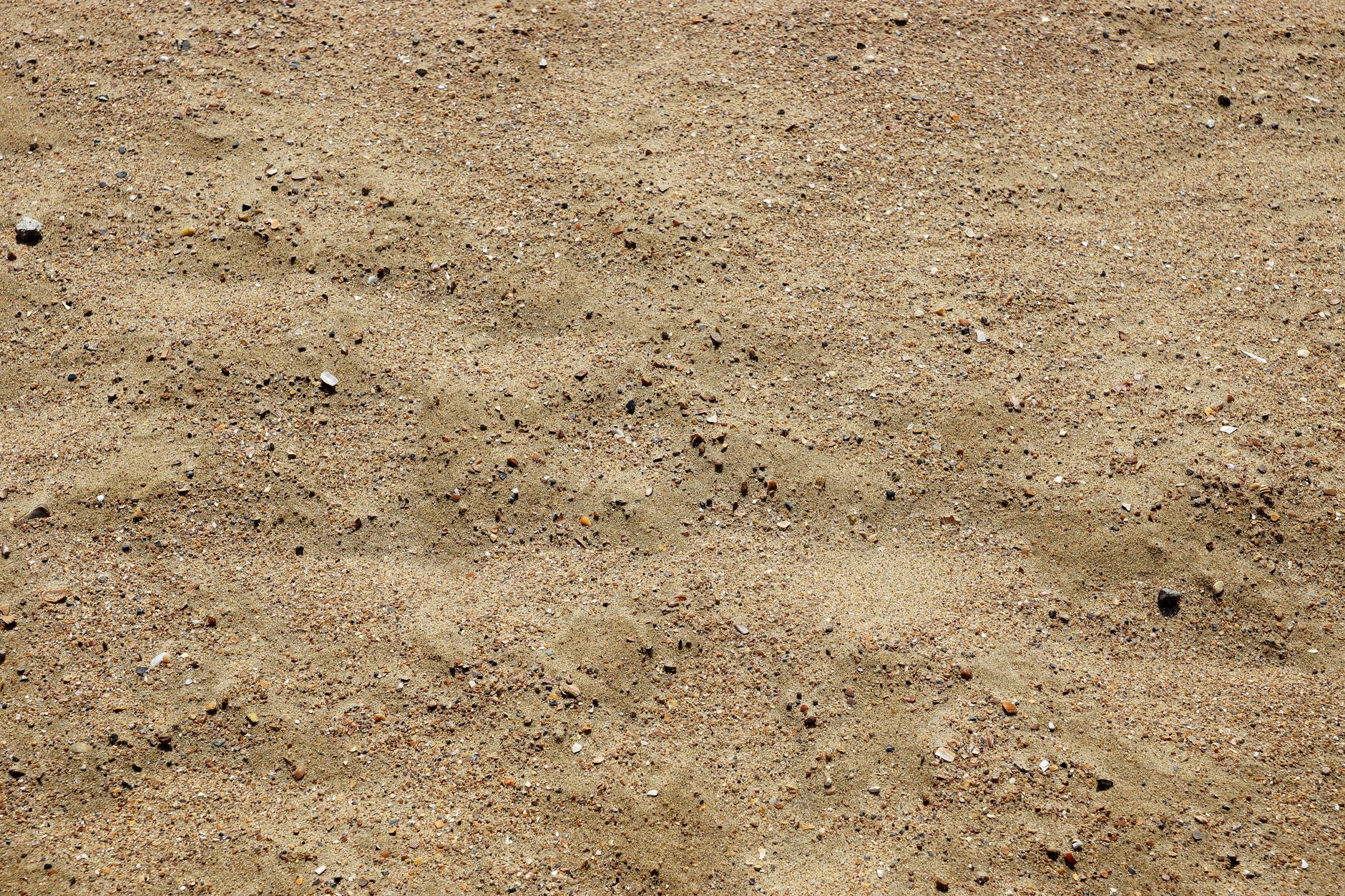
Not all sand is created equal — and nowhere is that more obvious than on an athletic field. The wrong sand can turn a well-maintained baseball diamond into a mud pit after a spring shower, or make a soccer field so compacted that it plays more like asphalt than grass. Understanding why athletic field sand is a specialized product is the first step toward making a smart purchasing decision for your school, park, or sports complex in West Tennessee.
The Difference Between Construction Sand and Sports Sand
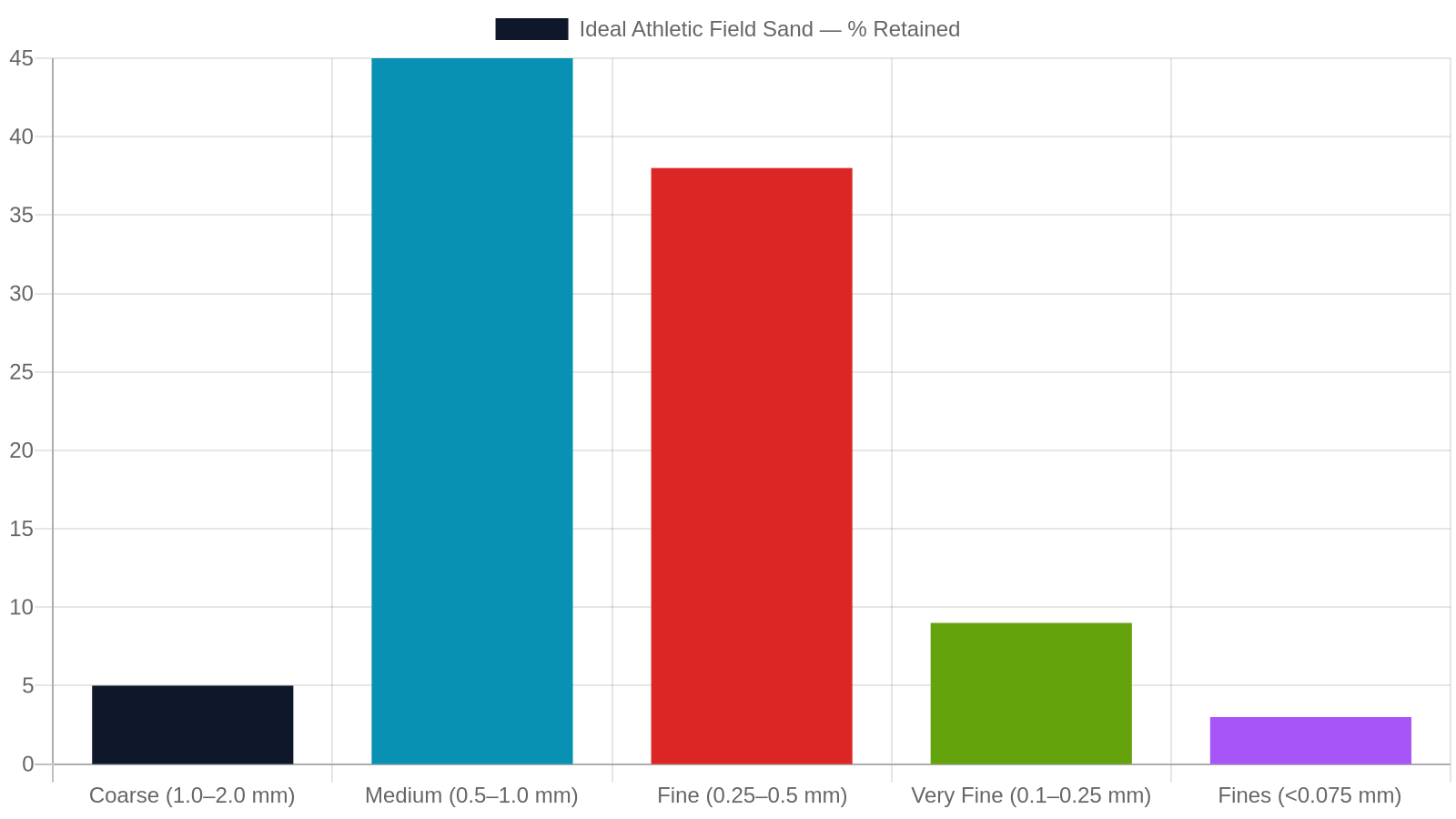
Walk into a big-box store and you’ll find bags labeled simply “sand.” That product is fine for a sandbox or a mortar mix, but it is the wrong choice for a baseball infield, a soccer pitch, or a football field. Construction sand is graded for compressive strength, not for drainage, traction, or turf health. Athletic field sand is engineered to a specific particle-size distribution — typically a medium-coarse profile — that balances firmness underfoot with rapid water infiltration.
- Too fine: the field seals up after rain, puddles form, and games get cancelled.
- Too coarse: the surface becomes abrasive, increasing turf wear and injury risk.
- Wrong clay content: the infield either cracks in summer or turns to mud in spring.
Getting the gradation right is the foundation of everything else that follows.
How Particle Size Affects Player Safety
Research from the Sports Turf Managers Association (STMA) consistently links surface hardness and inconsistent footing to lower-extremity injuries in field sports. A properly graded sand base absorbs impact energy and provides predictable traction — two factors that directly affect athlete safety. When you source from a supplier who publishes particle-size distribution data, you can verify that the sand meets the profile recommended for your specific sport before a single yard is delivered. Jackson Sand publishes lab-tested sand spec sheets so turf managers can confirm gradation data upfront.
2. The Key Sand Specs Every Field Manager Should Know
Before you call any supplier, you need to know what numbers to ask for. Athletic field sand is defined by a handful of measurable properties, and any reputable supplier should be able to hand you a data sheet — not just a verbal assurance — that confirms those properties. Here are the three most important specifications to evaluate.
Particle-Size Distribution (PSD)
Particle-size distribution is reported as a percentage of material retained on a series of standard sieves. For most athletic field applications, you want the bulk of your material in the medium to coarse range (0.25 mm – 1.0 mm), with minimal fines passing the No. 200 sieve. Fines — silt and clay particles smaller than 0.075 mm — are the enemy of drainage. A good spec sheet will show less than 3% passing the No. 200 sieve for a sand-based root zone, and less than 5% for a native-soil infield topdress blend.
Uniformity Coefficient and Infiltration Rate
The uniformity coefficient (Cu) describes how evenly sized the particles are. A Cu below 3.5 indicates a well-sorted sand that drains consistently. Paired with that is the infiltration rate — how many inches per hour water moves through the profile. USGA-spec root zones target a minimum of 6 inches per hour; many high-performance fields exceed 12 in/hr. Ask your supplier for both numbers. If they can’t provide them, that’s a red flag. Jackson Sand’s published spec sheets include this data so you can match the product to your field’s design requirements before ordering.
Organic Matter and Contamination
Sand delivered in trucks that also haul topsoil, mulch, or fill dirt can carry weed seeds, organic debris, and clay contamination that compromises your field’s drainage profile and introduces unwanted plant material. Dedicated sand-hauling trucks — like those Jackson Sand operates — keep loads clean from the mixing yard to the field. Organic matter content in athletic field sand should typically be below 1% by weight; higher levels can cause anaerobic conditions and turf disease pressure.
3. Sport-by-Sport Sand Requirements in West Tennessee
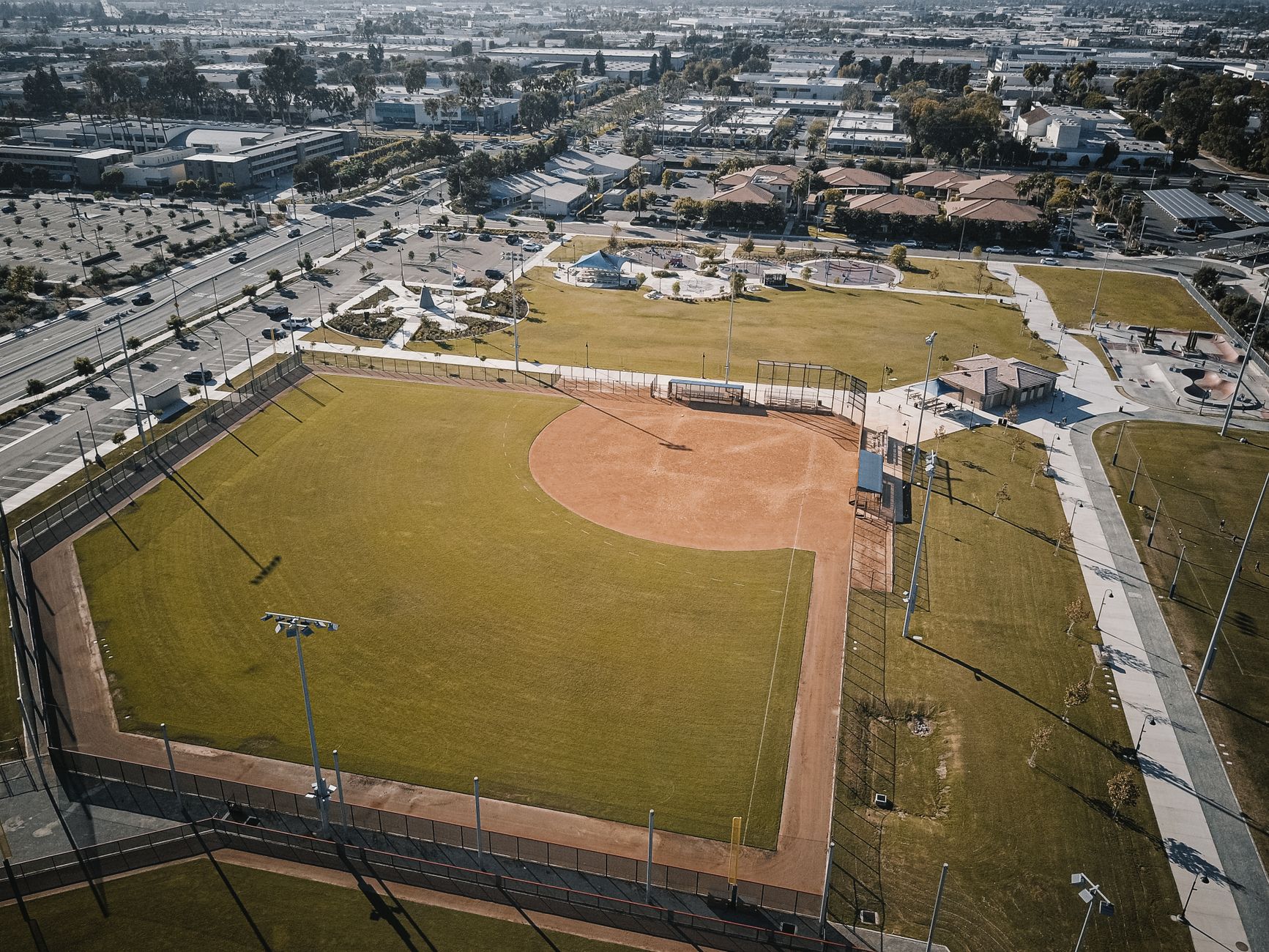
Different sports impose different demands on a playing surface, which means the sand that works perfectly for a baseball infield may be the wrong choice for a USGA-spec soccer field root zone. Here is a quick breakdown of what West Tennessee field managers and coaches should know about sport-specific sand requirements.
Baseball and Softball Infields
Baseball infields in Tennessee face a brutal seasonal swing: wet springs, brutally hot and dry summers, and fall rain events. Infield mix for baseball and softball is typically a blend of 60–70% sand, 20–30% clay, and 10–15% silt, calibrated for the right amount of firmness and just enough cohesion to hold a cleat without crumbling. The sand component must be coarse enough to keep the mix draining, yet not so coarse that the surface becomes abrasive on slides. Topdressing the warning track and home-plate area with a slightly coarser sand helps those high-traffic zones shed water faster.
Soccer, Football, and Multi-Use Fields
Natural-grass soccer and football fields in West Tennessee are almost always built on a sand-based root zone or sand-capped native soil to handle the foot traffic of a full season. USGA-method construction uses 12 inches of pure sand root zone over a gravel drainage layer, targeting infiltration rates above 6 in/hr. Sand-cap systems apply 4–6 inches of sand over existing native soil to improve surface drainage without full reconstruction. Both approaches require consistent, well-graded sand delivered in quantity — often hundreds of yards for a single field project.
Running Tracks, Long-Jump Pits, and Sand Volleyball Courts
Long-jump pits require clean, washed, medium-fine sand — typically ASTM C-33 or finer — that is soft enough to absorb landing impact and leaves a clear impression for measurement. Sand volleyball courts follow similar logic, with most governing bodies specifying a minimum depth of 18 inches of clean sand. Running track sub-bases often use a crushed-aggregate drainage layer beneath the rubber surface, which is a different product category (gravel or crushed stone) but equally important to source from a reliable local supplier.
4. On-Premises Mixing: Why It Matters for Quality Control
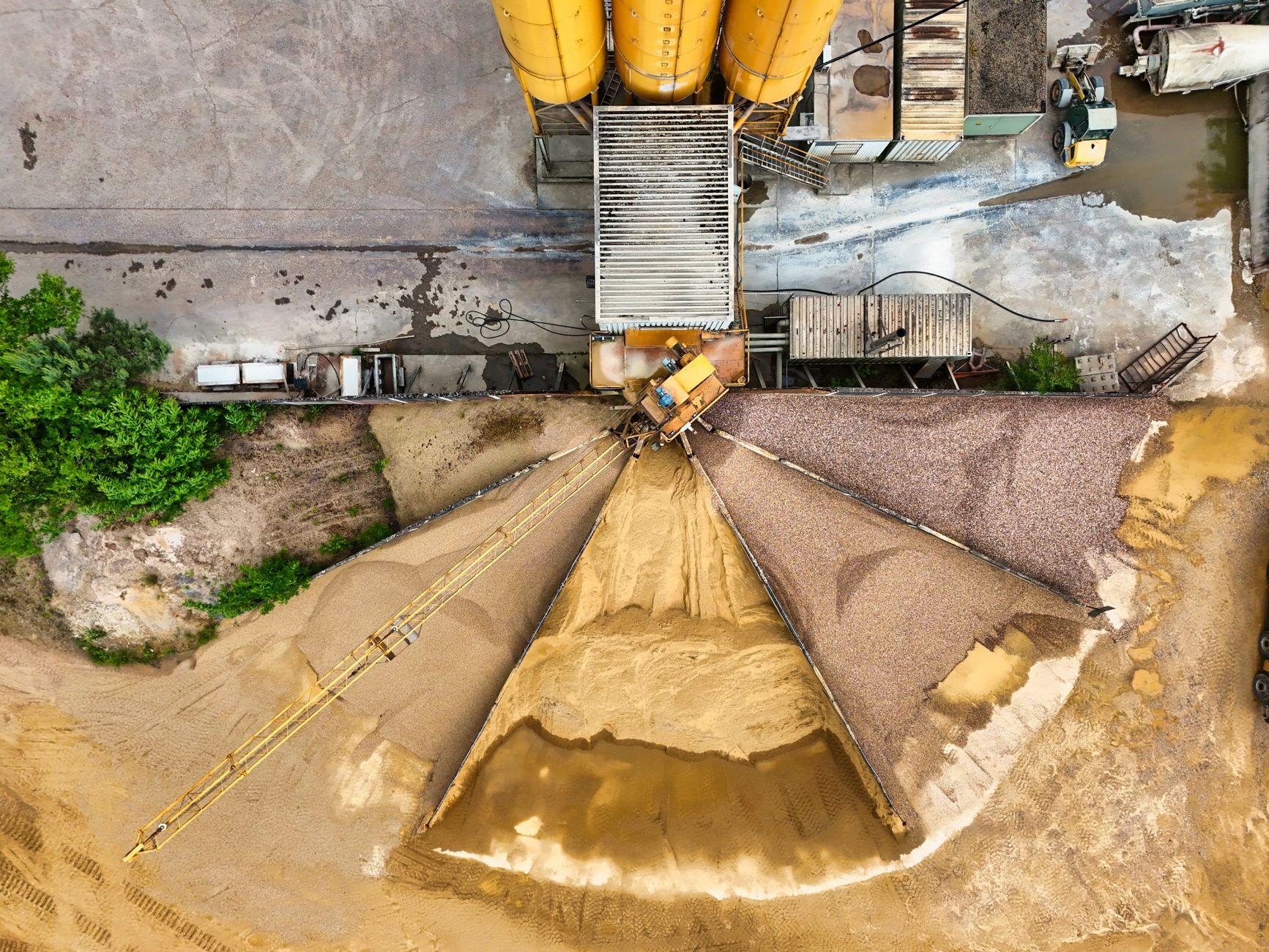
One of the most important — and most overlooked — questions to ask a sand supplier is: Where does the mixing happen? The answer tells you a great deal about the consistency and quality control you can expect across your entire project.
What 'Mixed on Premises' Actually Means
Some suppliers source sand from multiple quarries, blend it in the field, or simply resell material with minimal processing. Jackson Sand mixes its own sand on-premises at 139 United Dr. in Jackson, TN, using high-quality raw materials that are blended and tested before any truck is loaded. On-premises mixing means the gradation is controlled at the source — not approximated at the job site — and every load that leaves the yard reflects the same spec. For a turf manager ordering multiple deliveries for a large project, that consistency is invaluable.
Batch-to-Batch Consistency for Multi-Phase Projects
Athletic field construction and renovation rarely happens in a single delivery. A school district rebuilding three baseball diamonds may take deliveries over several weeks. A parks department topdressing a soccer complex may order monthly throughout the growing season. Batch-to-batch consistency — meaning each load matches the same particle-size distribution as the first — is only achievable when the supplier controls the mixing process. Inconsistent sand across deliveries creates uneven drainage pockets and variable surface hardness that are difficult and expensive to correct after installation.
5. Delivery Logistics: Owned Trucks vs. Third-Party Haulers
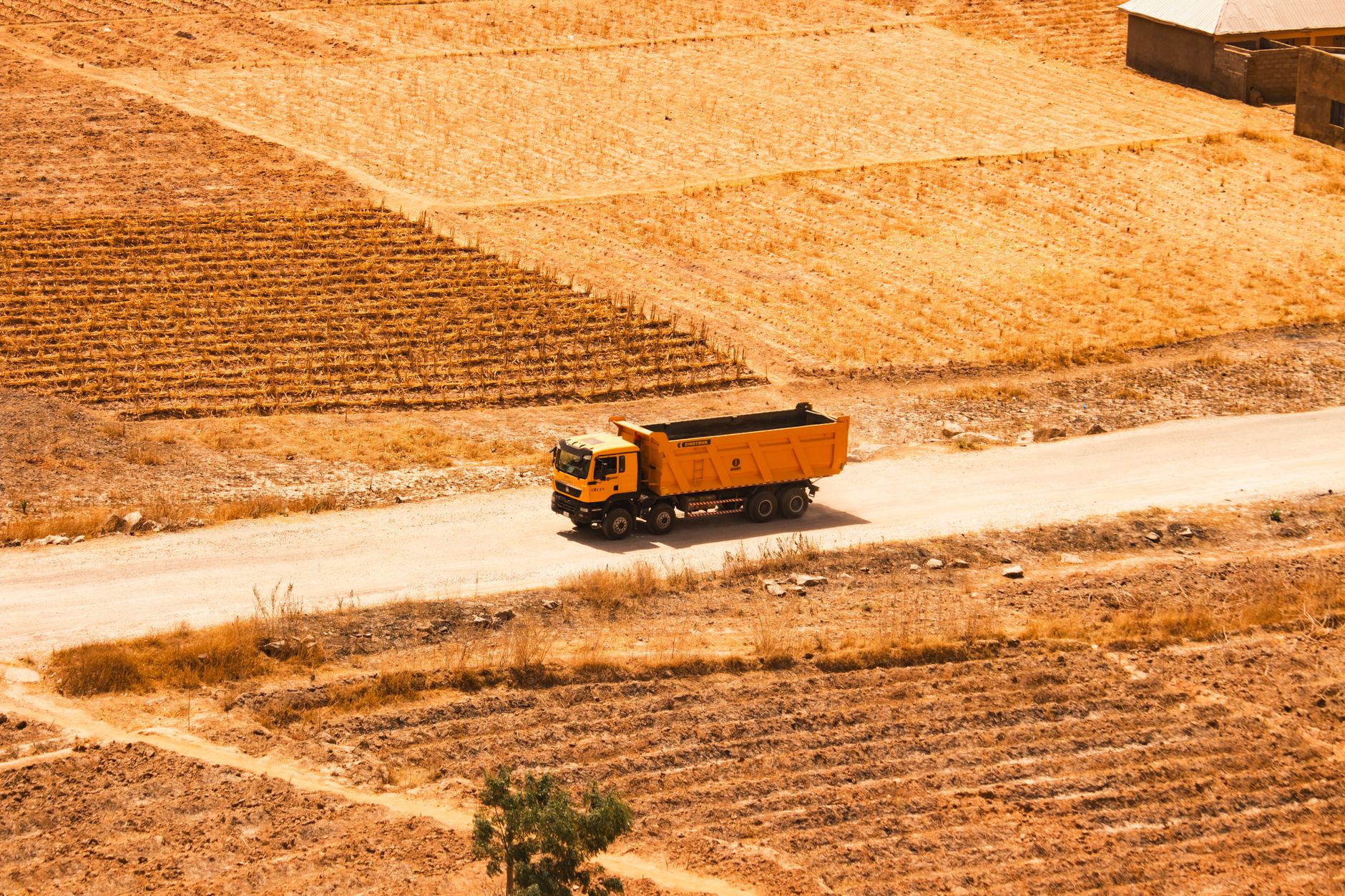
Even the best sand in the world is only as good as the delivery that brings it to your field. Logistics — truck cleanliness, scheduling flexibility, and load accuracy — are practical factors that separate a smooth project from a frustrating one. Here is what to look for when evaluating a supplier’s delivery operation.
The Case for a Supplier Who Owns Its Fleet
When a sand supplier relies on third-party trucking, they hand off control the moment the material leaves the yard. A contracted hauler may carry other materials between loads — topsoil, demolition debris, agricultural lime — and cross-contamination becomes a real risk. Scheduling is also less predictable: the supplier can only promise delivery when a truck is available, not when your crew is ready. Jackson Sand owns its delivery trucks, which means cleaner loads, tighter scheduling, and a direct line of accountability from the mixing yard to your field.
Planning Your Delivery Window
Athletic field projects are time-sensitive. Infield renovations often happen between seasons — a narrow window of a few weeks in late fall or early spring. Topdressing programs are tied to growth cycles. Knowing your supplier can coordinate delivery around your crew’s schedule, rather than the other way around, reduces costly delays. When you call Jackson Sand at 731-668-0440, you’re talking to a team that manages its own trucks and can give you a realistic delivery timeline based on actual fleet availability — not a third-party dispatcher’s calendar.
6. How to Calculate How Much Sand You Actually Need

One of the most common mistakes field managers make is guessing at quantities. Under-ordering delays your project; over-ordering wastes your budget. Getting the math right before you place an order saves time, money, and a second scheduling headache. Here is how to approach the calculation — and where to find a faster shortcut.
The Basic Volume Formula
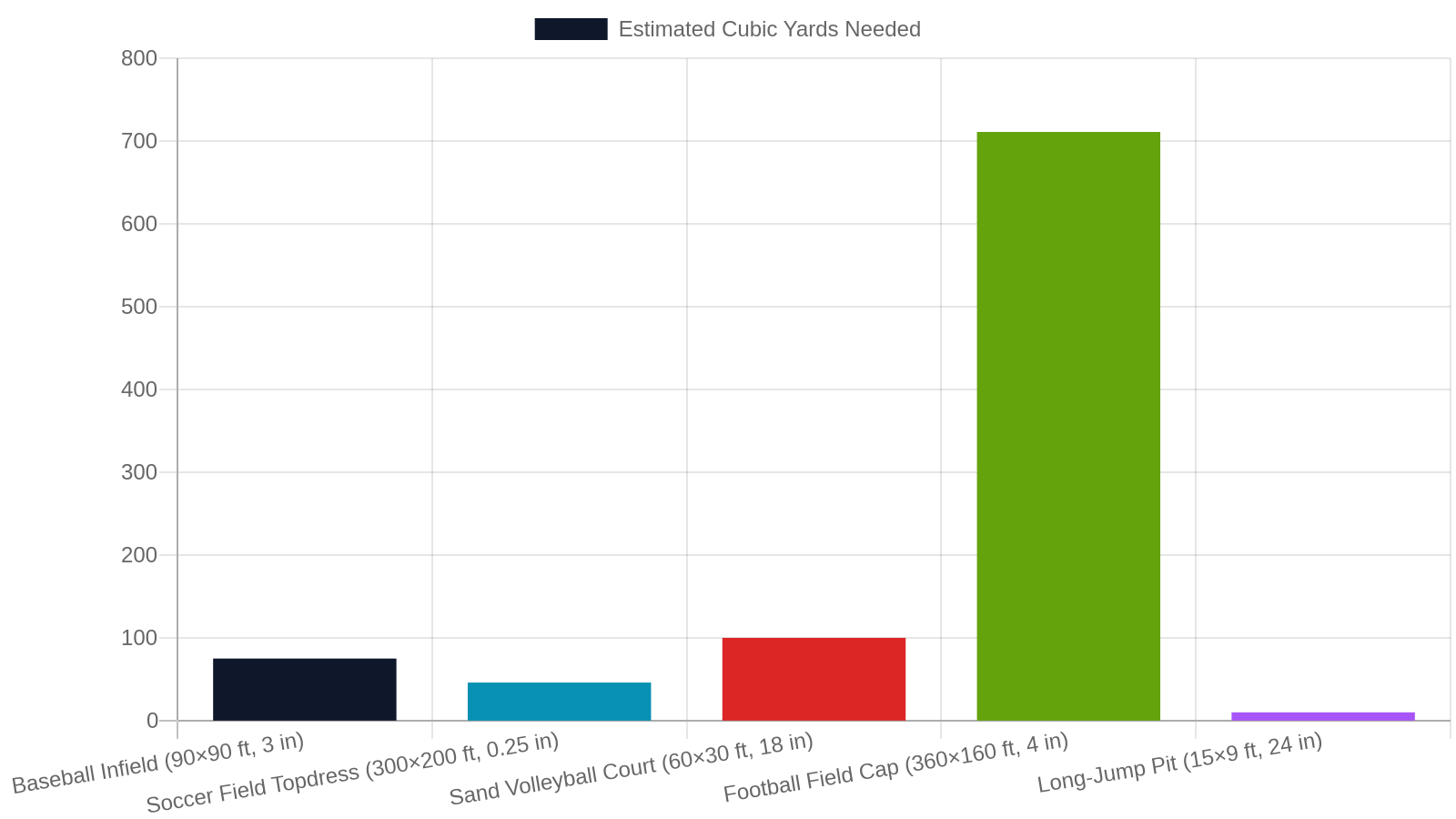
Sand is sold and delivered by the cubic yard. One cubic yard equals 27 cubic feet. To calculate the volume you need, measure the length × width × depth of the area in feet, then divide by 27. For example, a baseball infield skin measuring 90 ft × 90 ft that needs 3 inches (0.25 ft) of topdress sand requires: 90 × 90 × 0.25 ÷ 27 = approximately 75 cubic yards. For irregular shapes — warning tracks, pitcher’s mounds, home-plate areas — break the area into rectangles and add the volumes together.
Use the Free Yardage Calculator
Manual math is error-prone, and ordering too little means a second delivery; ordering too much means paying for material you don’t need. Jackson Sand offers a free online yardage calculator that lets you enter your dimensions and get an instant estimate. It’s a practical tool for field managers, coaches, and contractors who want to build an accurate budget before picking up the phone. Run the numbers before you call — it makes the conversation faster and the quote more precise.
7. Topdressing Programs: Keeping Fields Performing Season After Season
Delivering sand for a new field build is one thing. Keeping that field performing at a high level year after year is another challenge entirely — and it requires a reliable, ongoing relationship with a sand supplier who can deliver consistent material on a schedule that matches your maintenance calendar.
What Is Topdressing and Why Does It Matter?
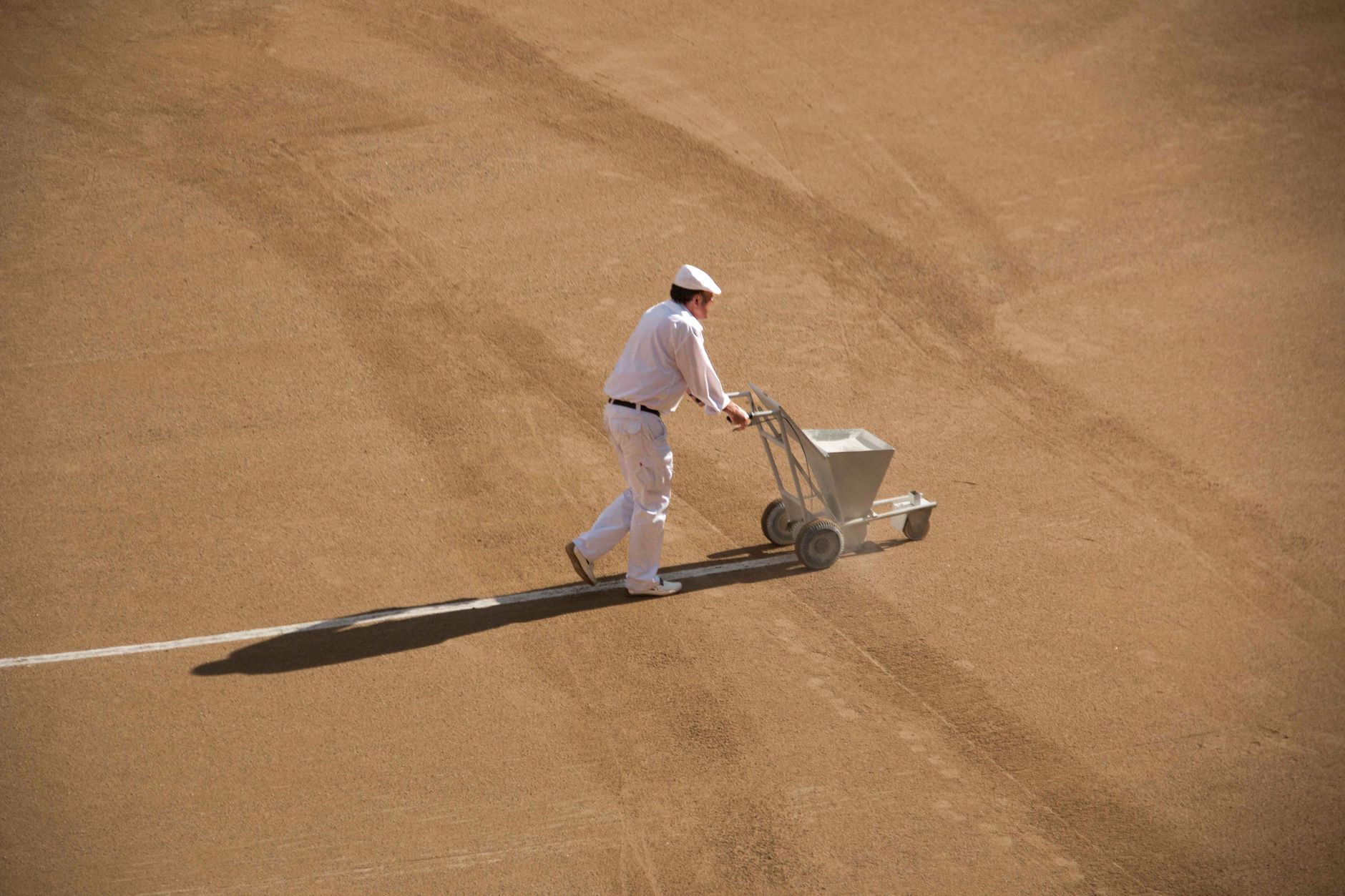
Topdressing is the practice of applying a thin layer of sand — typically 1/8 to 1/4 inch — to a turf surface to smooth the grade, improve drainage, dilute thatch, and firm up the playing surface. On athletic fields, it is one of the highest-return maintenance practices available. A consistent topdressing program applied two to four times per year can extend the life of a natural-grass field significantly, reduce irrigation needs, and keep the surface playable through heavy-use periods. The key is using the same sand specification each time so the profile builds uniformly.
Topdressing Services Available in West Tennessee
Jackson Sand offers topdressing services in addition to material supply — meaning they can handle both the delivery and the application. For field managers who don’t have a topdresser in their equipment inventory, or for schools and parks departments that lack the crew time to handle application, this is a practical option. Consistent topdressing with a properly spec’d sand prevents the uneven surface buildup that leads to drainage problems and unsafe playing conditions over time. Learn more about available services on the top dressing page.
Athletic Field Sand Applications at a Glance
Different field types and sports call for different sand specifications, depths, and volumes. Use this table as a starting reference when planning your project.
8. Drainage Materials: The Layer Under the Sand
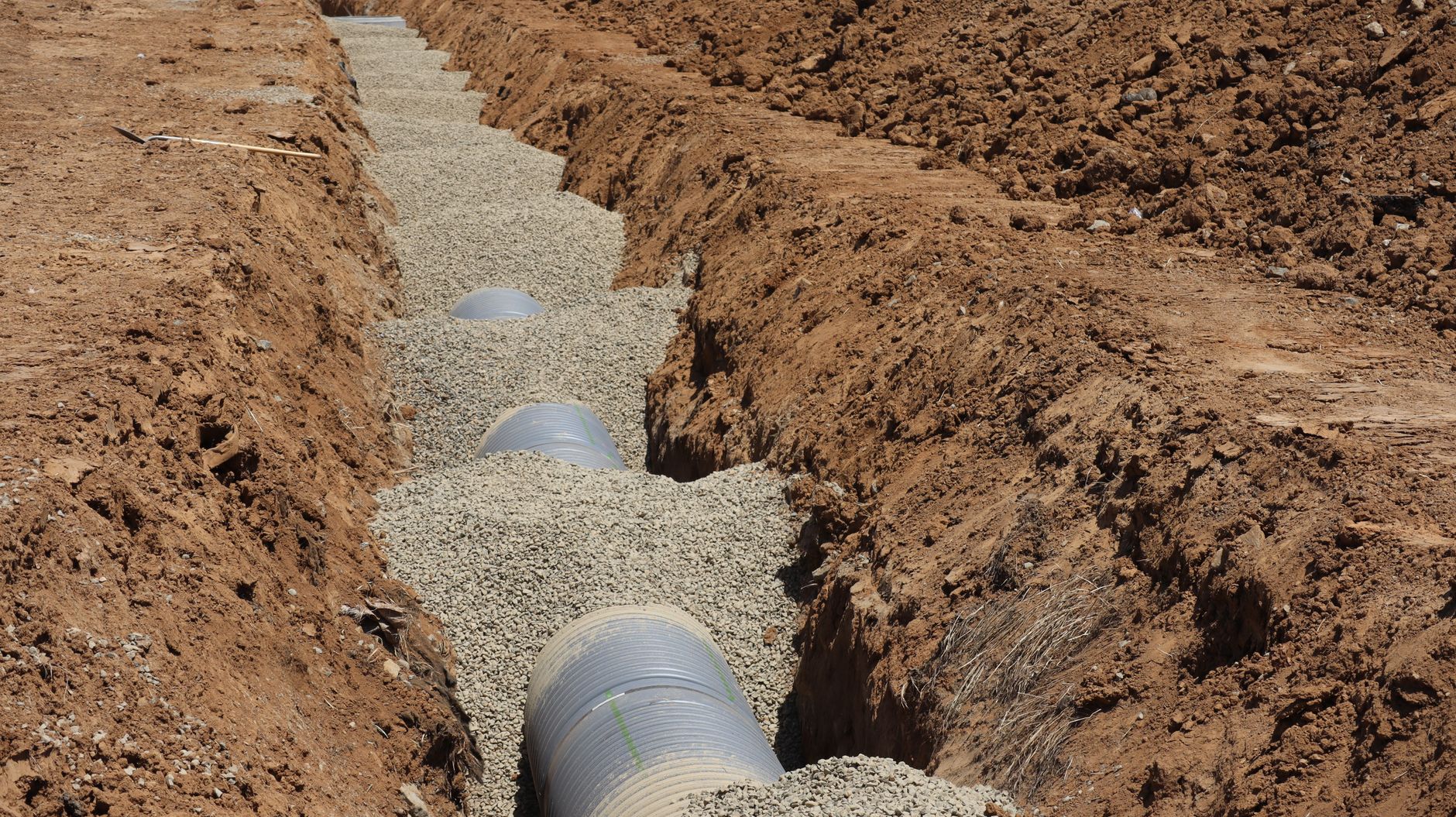
Sand is the top layer of the story, but what sits beneath it determines how well the whole system works. Drainage materials — gravel, crushed aggregate, and engineered drainage structures — are the foundation that makes a sand-based athletic field function as designed. Understanding how these layers interact helps you specify the right materials for every layer of your project.
Surface Drainage vs. Sub-Surface Drainage
Surface drainage is achieved through proper field grading — a 1–2% slope from crown to edge that moves water off the playing surface quickly. Sub-surface drainage uses perforated pipe, gravel drainage layers, or engineered drainage basins to move water that infiltrates the root zone away from the field. Both systems are necessary for a field that stays playable through West Tennessee’s wet springs and summer thunderstorms. The sand layer above a drainage system must have a compatible particle-size distribution — too fine and it migrates into the gravel, clogging the drainage layer over time.
Gravel, Drainage Aggregate, and Drainage Basins
Jackson Sand supplies drainage aggregate, gravel, and materials for drainage basins in addition to sand — which means a field construction or renovation project can source the full drainage system profile from a single supplier. That simplifies procurement, reduces the number of delivery schedules to coordinate, and ensures the sand and gravel layers are selected to work together. For projects involving French drains, catch basins, or seepage drainage systems, having one knowledgeable supplier who understands the full profile is a significant advantage.
9. Evaluating a Sand Supplier: 6 Questions to Ask Before You Order

Not all sand suppliers are equal, and the cheapest price per yard is rarely the best value when you factor in consistency, cleanliness, and delivery reliability. Before you commit to a supplier for your next athletic field project, run through these six questions to make sure you’re getting what your field actually needs.
Questions 1–3: Product and Quality
- Can you provide a lab-tested particle-size distribution report? Any reputable athletic field sand supplier should have current test data. If they can’t produce it, look elsewhere.
- Is the sand mixed on-premises or sourced from multiple locations? On-premises mixing gives you batch-to-batch consistency. Resellers have less control over what ends up in your load.
- What is the organic matter content and fines percentage? For athletic field applications, fines below 3% and organic matter below 1% are standard targets. Get the numbers in writing.
Questions 4–6: Logistics and Service
- Do you own your delivery trucks? Owned fleets mean cleaner loads, more scheduling flexibility, and direct accountability — not a third-party dispatcher.
- Can you handle both small and large orders? A supplier who serves golf courses and school districts can scale to your project, whether you need 10 yards or 1,000.
- Is delivery included in the price? Jackson Sand includes delivery — so the price you’re quoted is the price you pay, without a separate freight line item to negotiate.
10. Serving Schools, Parks, and Contractors Across West Tennessee

Jackson Sand has built its business around serving the real-world needs of turf managers, coaches, contractors, and property owners across West Tennessee. That means being a supplier who shows up on time, delivers what was ordered, and can answer technical questions about particle-size specs and drainage profiles — not just quote a price per yard.
Who Jackson Sand Works With
Jackson Sand serves a wide range of customers across West Tennessee and the Mid-South: school districts and university athletic departments maintaining baseball, softball, soccer, and football fields; parks and recreation departments managing multi-field complexes; independent contractors and site-work crews building new facilities; and landscapers and lawn care companies who need reliable aggregate delivered on a schedule. The operation is set up to handle both small residential orders and large commercial projects — the same quality, the same owned trucks, the same lab-tested sand.
Jackson, TN: A Central Location for the Mid-South
Located at 139 United Dr. in Jackson, TN 38305, Jackson Sand sits at a practical hub for West Tennessee and the surrounding Mid-South region. Whether you’re managing fields in Madison County, Shelby County, Gibson County, or across the state line, Jackson is a central distribution point that keeps delivery practical. The company’s own trucks handle the haul, so you’re not dependent on a freight broker to find available capacity when your project timeline is tight.
Ready to Order Athletic Field Sand for Your Project?
Your athletic field is an investment — in your athletes, your program, and your community. The sand and aggregate that go into it should be sourced from a supplier who treats it the same way. Jackson Sand has the products, the equipment, and the local knowledge to support athletic field projects of any scale across West Tennessee and the Mid-South. Here is how to take the next step.
Start with the Right Specs
Before you call, pull up the Jackson Sand spec sheets to confirm the product matches your field’s design requirements. If you’re working from a USGA or STMA specification, compare the published particle-size distribution against your spec. If you have questions about which product fits your application, the team at Jackson Sand can walk you through the options — they work with turf managers and contractors every day and understand the difference between a baseball infield blend and a USGA root-zone mix.
Get a Quote and Schedule Delivery
Once you know your specs and your approximate quantity (use the yardage calculator if you haven’t already), call 731-668-0440 to get a quote and lock in your delivery window. Jackson Sand includes delivery in its pricing, owns its trucks, and mixes sand on-premises in Jackson, TN — so what you order is what arrives, clean and on spec, ready for your crew to work with. For full details on athletic field products and services, visit the Jackson Sand athletic fields page.
Frequently Asked Questions
What kind of sand do I need for a baseball infield in Tennessee?
A standard baseball infield mix is roughly 60–70% sand, 20–30% clay, and 10–15% silt. The sand component should be medium-coarse with less than 5% fines to keep the surface draining after rain while still holding enough cohesion for safe footing. Ask your supplier for a lab-tested particle-size report before ordering.
How much sand does it take to topdress an athletic field?
A 1/4-inch topdress application over a 60,000 sq ft soccer field requires approximately 46 cubic yards of sand. Use Jackson Sand's free yardage calculator at jacksonsand.com/yardage-calculator/ to get an accurate estimate for your specific field dimensions before placing an order.
Does Jackson Sand deliver to areas outside Jackson, TN?
Jackson Sand serves West Tennessee and the surrounding Mid-South region from its facility at 139 United Dr. in Jackson, TN. Call 731-668-0440 to confirm delivery availability for your specific location and project.
What is the difference between USGA sand and regular construction sand?
USGA-spec sand meets strict particle-size distribution requirements — typically a uniformity coefficient below 3.5 and an infiltration rate above 6 inches per hour — designed specifically for high-performance turf root zones. Regular construction sand is graded for compressive strength in concrete and mortar, not for drainage or turf health, and typically contains too many fines for athletic field use.
Can I get sand and drainage gravel from the same supplier near Jackson, TN?
Yes. Jackson Sand supplies both athletic field sand and drainage aggregate — including gravel, drainage basin materials, and seepage drainage products — from its Jackson, TN facility. Sourcing the full drainage profile from one supplier simplifies scheduling and ensures the sand and gravel layers are compatible.
Is delivery included when I order from Jackson Sand?
Yes. Jackson Sand includes delivery in its pricing and uses its own trucks — not third-party haulers — to keep loads clean and schedules reliable. Call 731-668-0440 for a quote that includes delivery to your project site.