
Who to Call for Bulk Sand and Gravel Delivery in West Tennessee
Quick answer: For bulk sand and gravel delivery in West Tennessee, Jackson Sand LLC in Jackson, TN is the region's dedicated aggregate supplier. They mix their own sand on-site, own their delivery trucks, and carry a full range of materials — bunker sand, top dressing sand, athletic field sand, drainage aggregate, gravel, and mulch. Delivery is included. Whether you manage a golf course, maintain a sports field, run a landscaping crew, or just need a few yards of gravel at your home, call 731-668-0440 or visit jacksonsand.com to get started.
1. Why Bulk Delivery Matters More Than You Think

When a project calls for bulk aggregate — whether it’s a golf course renovation, a new athletic field, a drainage repair, or a backyard grading job — the delivery method is just as important as the material itself. Choosing a supplier who controls the entire process from mixing to delivery protects your schedule, your budget, and the quality of the finished work.
The Hidden Cost of Picking Up Your Own Material
Hauling aggregate yourself sounds like a money-saver until you add up the fuel, the wear on your trailer, the time spent loading, and the risk of an inaccurate load. A single cubic yard of sand weighs roughly 2,700 pounds. A typical top-dressing job on a golf course green might require 10–20 yards per application. That’s 27,000–54,000 pounds of material — far beyond what most pickup trucks or small trailers can safely carry in a single trip.
Bulk delivery eliminates those trips entirely. A professional aggregate supplier loads the right quantity, drives it to your site, and deposits it exactly where you need it. When delivery is already included in the price — as it is with Jackson Sand — there’s no hidden freight surcharge to negotiate.
Accuracy and Load Cleanliness
Beyond convenience, load accuracy is a real operational issue. If you order 15 yards and receive 12, you’re short on a job that may have a tight window. Suppliers who mix their own sand on their own premises and run their own trucks have a direct incentive to get the load right — there’s no third-party carrier to blame for a short or contaminated delivery.
Contamination is a particular concern for turf applications. Sand that has been staged in an open yard, transferred between multiple vehicles, or stored near incompatible materials can pick up clay fines, debris, or organic matter that will clog drainage profiles and undermine months of agronomic work. Keeping the supply chain short and controlled protects the integrity of every load.
2. What Types of Bulk Sand Are Available in West Tennessee
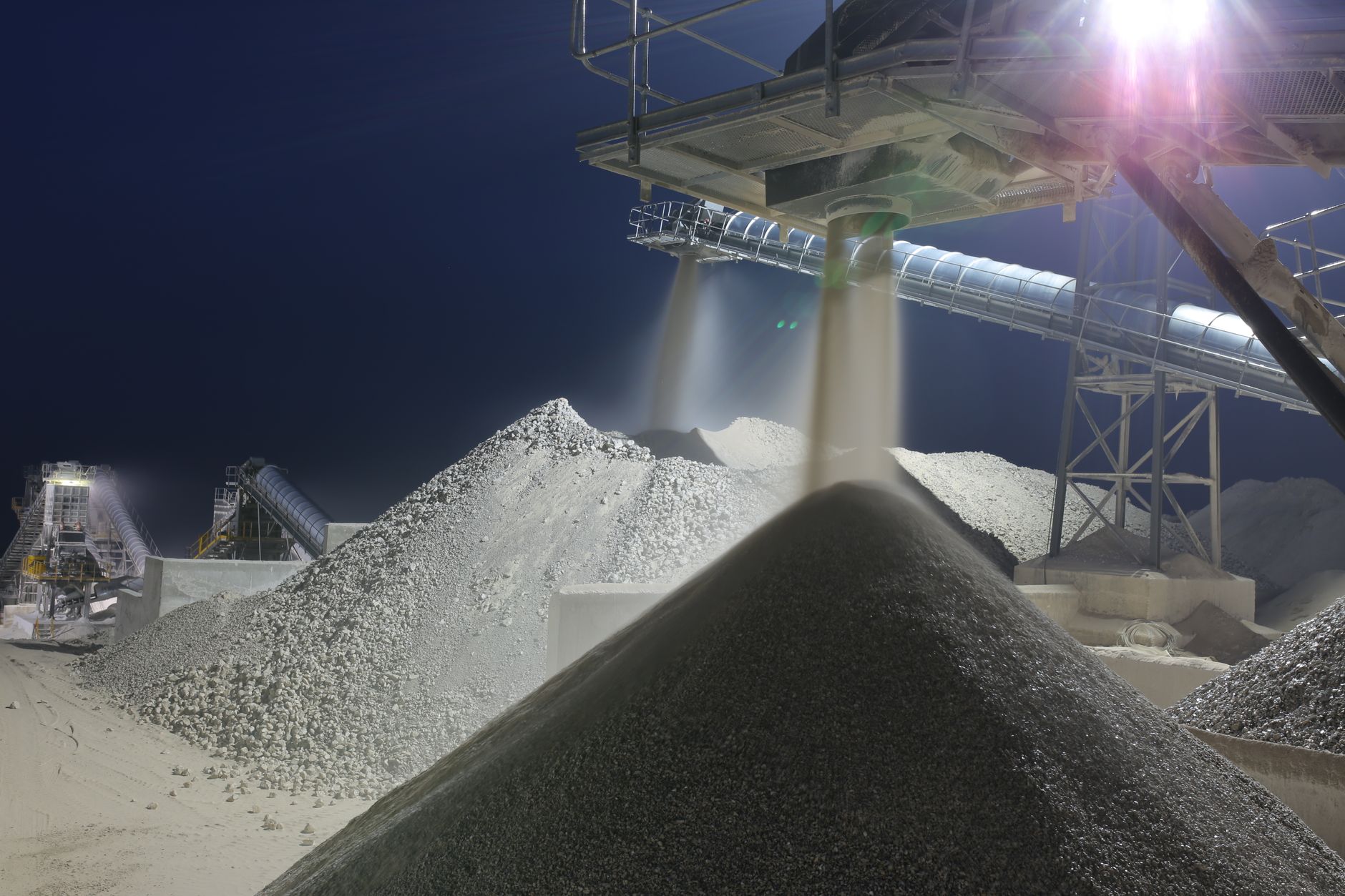
Not all sand is the same, and ordering the wrong specification can create problems that are expensive to fix. Here’s a quick overview of the main product categories available from a full-service aggregate supplier in West Tennessee and what each one is designed to do.
Bunker Sand
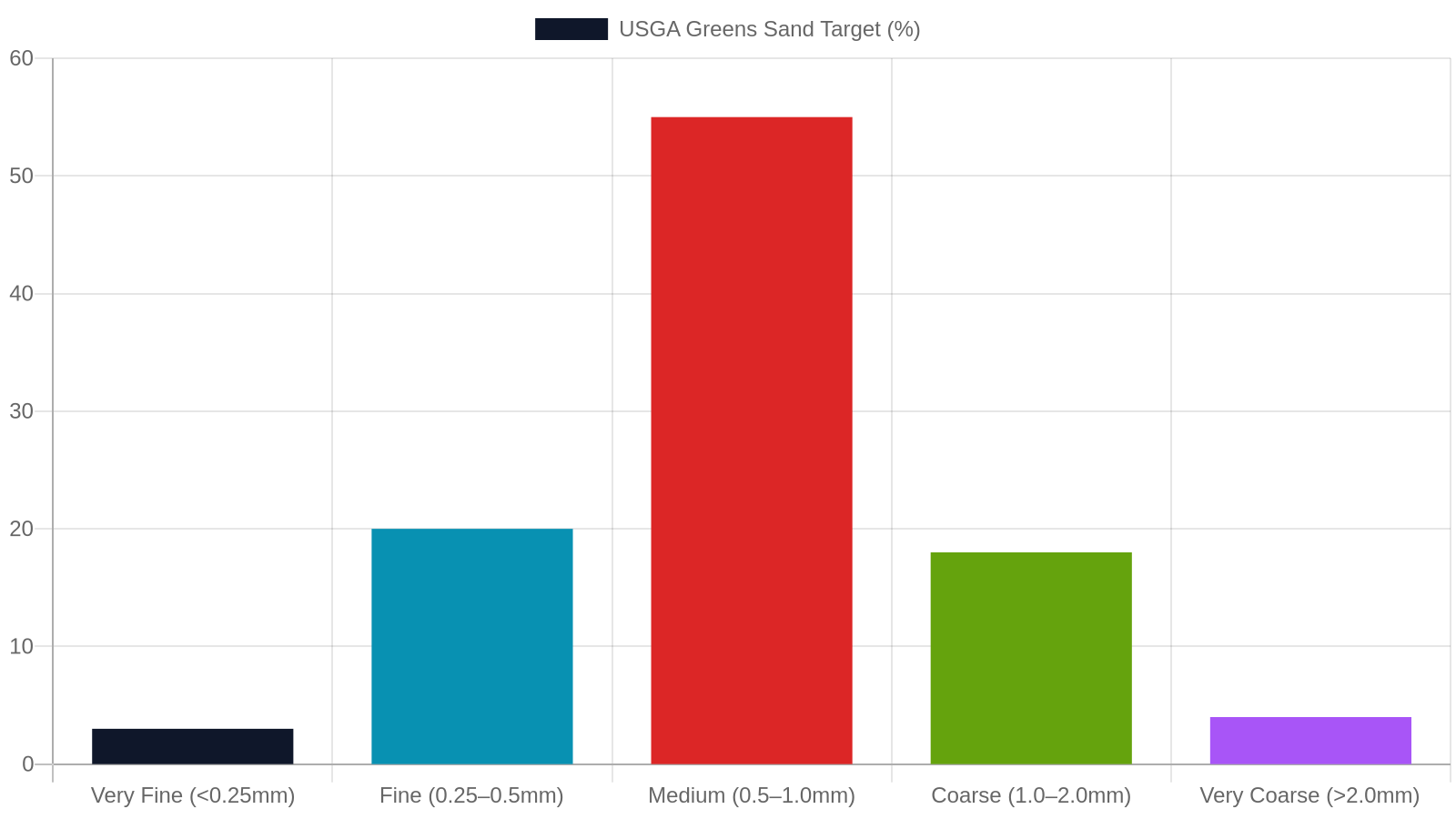
Bunker sand is engineered specifically for golf course sand traps. It must meet tight specifications for particle size distribution, infiltration rate, firmness, and resistance to contamination from native soil. The USGA recommends a medium-fine sand with a particle size between 0.25 mm and 1.0 mm and an infiltration rate of at least 6 inches per hour for bunker liners.
Jackson Sand supplies bunker sand backed by lab-tested spec sheets so superintendents can verify compliance before the material ever hits the course. That documentation matters when you’re defending a renovation budget or reporting to a green committee.
Top Dressing Sand
Top dressing sand is applied to greens, tees, and fairways to smooth surfaces, dilute thatch, and maintain the drainage profile established at construction. The particle size must be consistent with the existing root zone mix — typically a USGA-spec sand with less than 3% silt and clay combined — or you risk creating layering problems that impede water movement for years.
Jackson Sand offers both top dressing sand and top dressing services, meaning they can supply the material and handle the application if your crew needs the support.
Athletic Field Sand and Drainage Aggregate
Sports turf managers at schools, parks departments, and colleges use sand to improve field drainage, firm up playing surfaces, and reduce compaction under heavy foot traffic. The right particle size for athletic fields is generally coarser than greens sand — a medium-to-coarse sand in the 0.5–2.0 mm range provides good drainage without the fine-particle migration that causes surface sealing.
Beyond field sand, drainage aggregate — including surface drainage materials, drainage basin fill, and seepage drainage stone — is essential for any site where water management is a priority. Jackson Sand carries the full range of these materials for both turf and construction applications.
3. Understanding Sand Specifications and Why They Matter
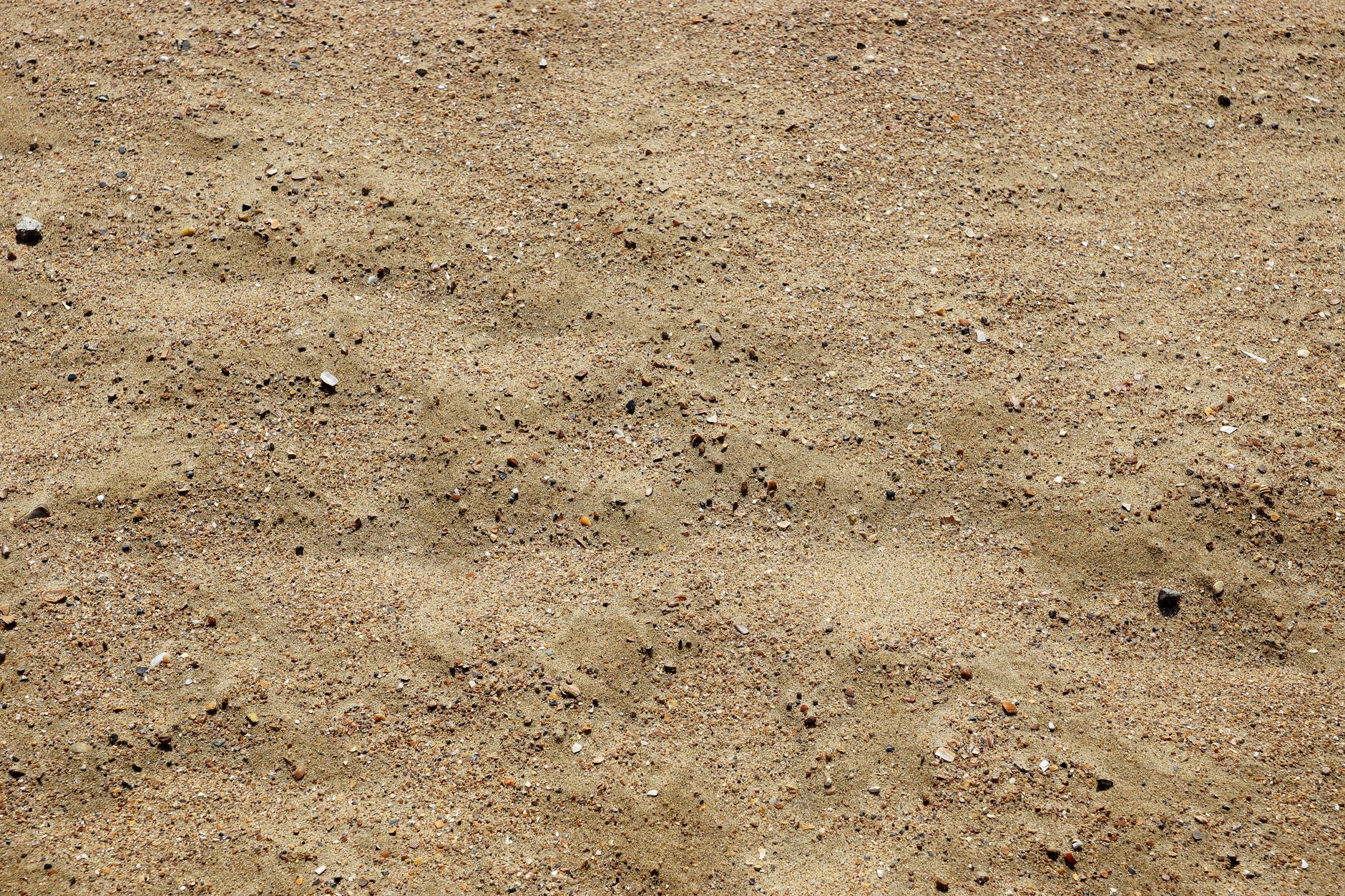
Turf professionals and contractors who have been burned by off-spec material know that a lab report is worth reading before the truck arrives. Here’s what the key numbers mean and how they affect real-world performance.
Particle Size Distribution
Particle size distribution (PSD) is the single most important characteristic of any sand used in turf or drainage applications. PSD is measured by passing a dried sand sample through a series of sieves with progressively smaller openings and recording what percentage of material is retained at each level. A well-graded sand for USGA greens construction, for example, should have at least 60% of particles in the medium and medium-coarse range (0.25–1.0 mm) and no more than 10% in the very fine and fine categories combined.
Suppliers who publish lab-tested spec sheets — like the sand specs available from Jackson Sand — give buyers the data they need to confirm a product meets their agronomic or engineering requirements before ordering.
Infiltration Rate and Permeability
Infiltration rate measures how quickly water moves through a sand profile under saturated conditions. For golf greens, the USGA recommends a minimum infiltration rate of 6 inches per hour; many high-traffic courses target 10–15 inches per hour to handle heavy rain events without surface flooding. For athletic fields, a rate of 4–8 inches per hour is typically sufficient to keep playing surfaces firm after rain.
Infiltration rate is directly tied to particle size and shape. Angular particles with a consistent size range pack less tightly than rounded or poorly graded sands, leaving more void space for water to move through. This is why buying from a supplier who mixes sand to a controlled specification — rather than pulling from a generic stockpile — produces more predictable results in the field.
Silt and Clay Content
Even small amounts of silt and clay can dramatically reduce the drainage performance of a sand profile. The USGA limits total silt plus clay content to no more than 5% by weight for root zone mixes, and many agronomists prefer less than 3%. Silt and clay particles are small enough to migrate downward through the sand matrix over time, gradually clogging the pore spaces that allow drainage.
When evaluating a sand supplier, ask specifically about silt and clay content in the lab report. A supplier who mixes on premises and tests regularly can provide consistent results; a supplier pulling from multiple uncontrolled sources cannot make the same guarantee.
4. Gravel, Drainage Aggregate, and Mulch: the Full Material Menu
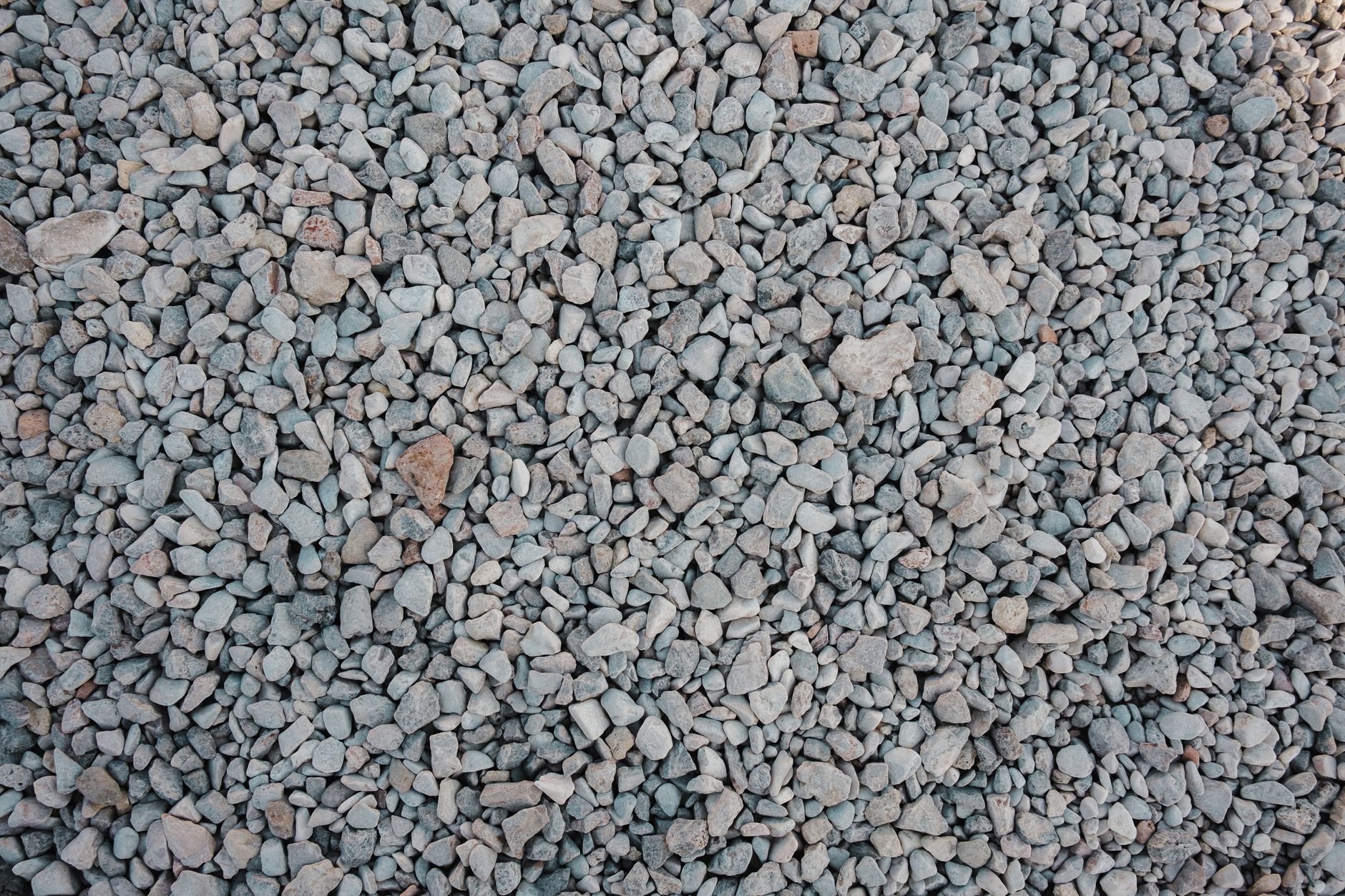
A full-service aggregate supplier in West Tennessee should be able to cover more than just sand. Here’s what else belongs on the material list and how each product fits into common project types.
Gravel for Construction and Landscaping
Gravel serves a wide range of purposes: base material under concrete slabs and pavers, drainage backfill around foundation walls, driveway surfacing, and decorative landscape rock. Aggregate size matters here just as it does with sand. A #57 stone (roughly 3/4-inch diameter) is a common all-purpose drainage gravel; a #89 stone (3/8-inch) is used for finer drainage applications and as a top dressing over geotextile fabric.
For contractors and site-work crews in West Tennessee, having a single supplier who can deliver both sand and gravel on the same truck — or coordinate multiple loads — simplifies scheduling and reduces the number of vendor relationships to manage.
Drainage Materials: Surface, Basin, and Seepage
Drainage problems are among the most common and most expensive issues on both turf and construction sites. Jackson Sand supplies materials for three distinct drainage scenarios:
- Surface drainage and slope: Grading aggregate and sand used to establish positive drainage away from structures or playing surfaces.
- Drainage basins: Aggregate fill for catch basins, French drains, and detention areas where water needs to be collected and directed.
- Seepage drainage: Permeable aggregate placed around perforated pipe systems to allow groundwater to enter the drain without carrying fine particles that would clog the pipe.
Each application has different aggregate size and gradation requirements. A knowledgeable supplier can help you match the right material to the right application rather than defaulting to whatever is cheapest on the lot.
Mulch
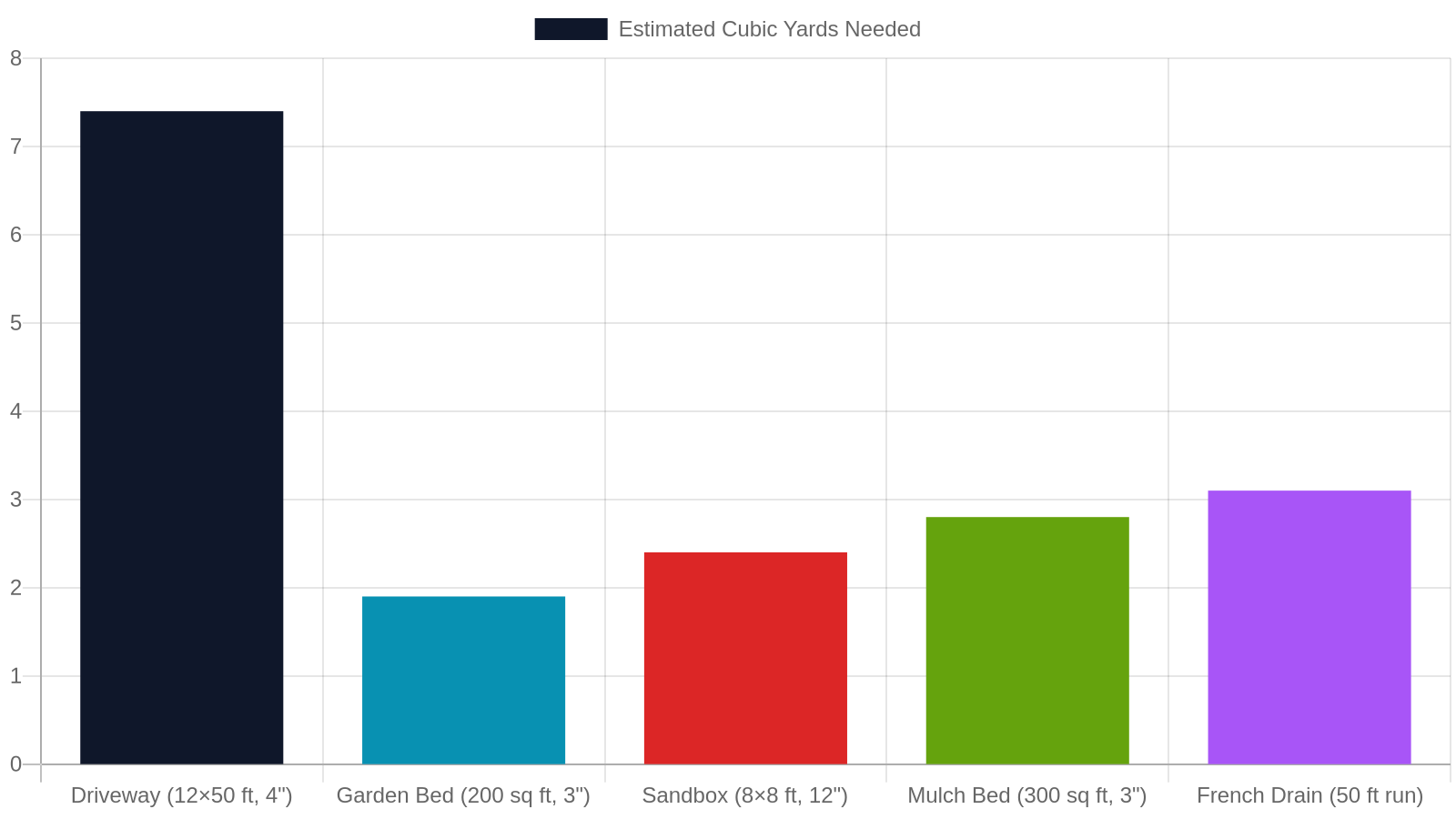
Mulch rounds out the material menu for landscapers and homeowners. Applied at a depth of 2–3 inches, mulch suppresses weeds, retains soil moisture, moderates soil temperature, and improves the visual appearance of planting beds. For a typical residential landscape bed of 200 square feet mulched at 3 inches deep, you’d need approximately 1.85 cubic yards — a quantity that’s easy to calculate using the free yardage calculator on the Jackson Sand website before you call in your order.
Ordering mulch from the same supplier as your drainage aggregate or base sand consolidates deliveries and saves time on larger landscape projects.
5. How to Estimate How Much Material You Need

One of the most common mistakes on bulk material orders is getting the quantity wrong. Too little and you’re waiting on a second delivery; too much and you’re paying to haul away the overage. A few minutes of upfront calculation saves real money.
The Basic Volume Formula
All bulk aggregate is sold by the cubic yard. One cubic yard equals 27 cubic feet. To calculate how many cubic yards you need, measure the area in square feet, decide on the depth in inches, and use this formula:
Cubic Yards = (Length ft × Width ft × Depth in) ÷ 324
For example: a 5,000 sq ft athletic field infield that needs 4 inches of sand requires (5,000 × 4) ÷ 324 = approximately 61.7 cubic yards. Round up to the nearest whole yard to avoid coming up short mid-project.
Weight Considerations for Delivery
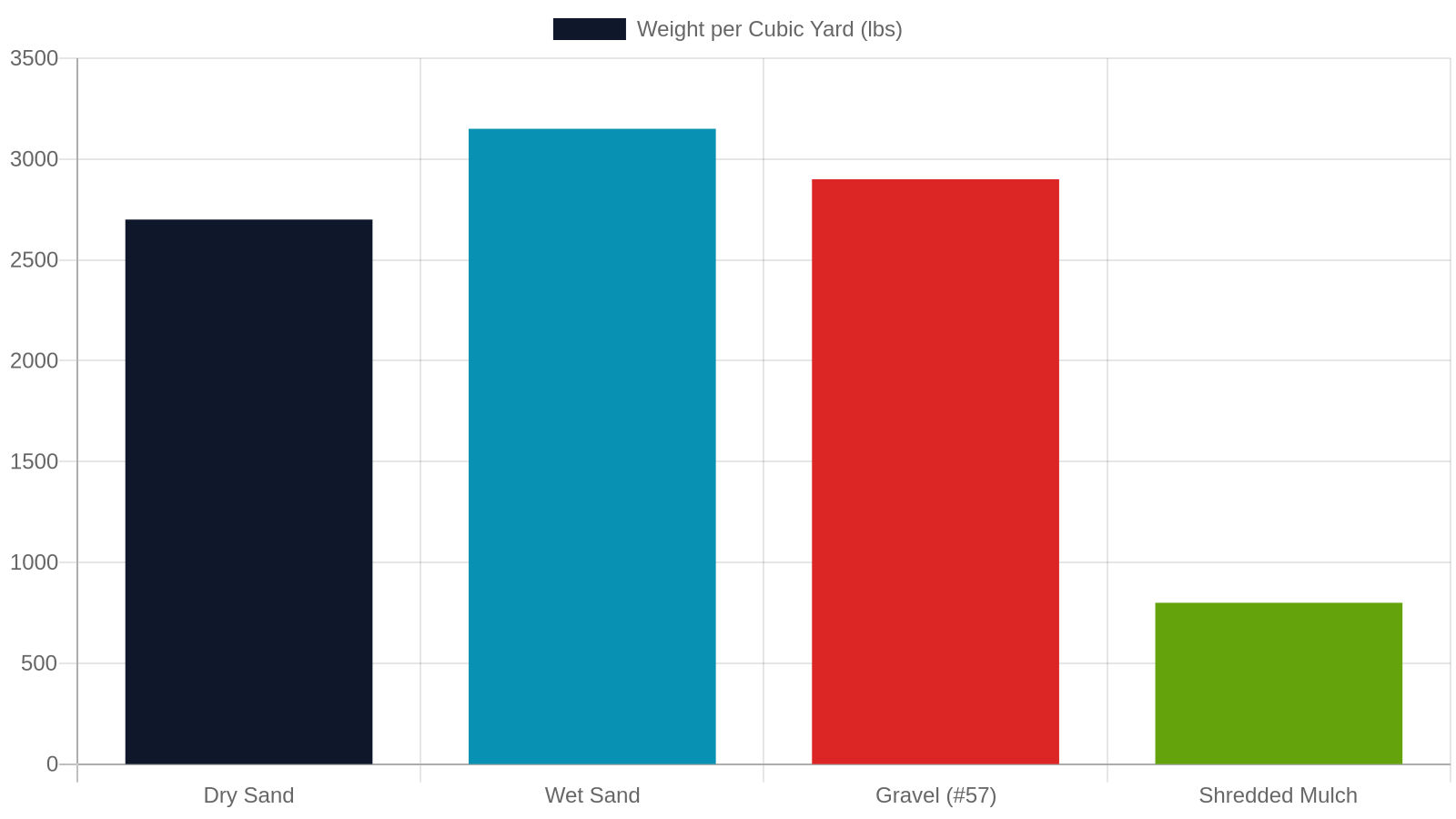
Volume tells you how much space the material occupies; weight tells you how many truck loads it takes to deliver it. Approximate weights per cubic yard:
- Dry sand: ~2,600–2,800 lbs per cubic yard
- Wet sand: ~3,000–3,300 lbs per cubic yard
- Gravel (#57 stone): ~2,800–3,000 lbs per cubic yard
- Mulch (shredded hardwood): ~700–900 lbs per cubic yard
A standard tandem-axle dump truck typically carries 10–14 cubic yards of sand or gravel per load. Knowing your total yardage and the approximate load capacity helps you plan delivery windows and site access for the truck.
Use the Free Yardage Calculator
Manual calculations work fine for simple rectangular areas, but most real projects involve irregular shapes, multiple zones, or varying depths. Rather than doing the math by hand, use the free yardage calculator at jacksonsand.com to get an accurate estimate before you call. Enter your dimensions, select your material, and the calculator returns the cubic yards you need — along with a number you can read directly to the team at Jackson Sand when you place your order.
Getting the quantity right the first time avoids the cost and delay of a second delivery run or the waste of ordering more material than the job requires.
6. Serving Golf Courses Across West Tennessee

Golf courses represent some of the most demanding aggregate customers in any region. The specifications are tight, the volumes are large, and the consequences of an off-spec delivery show up immediately in playing conditions and agronomic performance.
What Golf Course Superintendents Need from a Sand Supplier
Golf course superintendents operate under tight agronomic standards and tighter budgets. A sand supplier who doesn’t understand the difference between a USGA-spec bunker sand and a general-purpose fill sand can create problems that take seasons to correct. Key requirements for a golf-course-grade supplier include: documented particle size distribution, consistent infiltration rates, low silt and clay content, and the ability to deliver on a schedule that fits the maintenance calendar — not just when it’s convenient for the supplier.
Jackson Sand publishes lab-tested spec sheets for its golf course products, giving superintendents the documentation they need for green committee reports and USGA compliance reviews. Learn more about available products on the golf course sand page.
Bunker Renovation and Annual Sand Programs
Bunker renovation is one of the largest single-material expenditures a golf course makes. A typical 18-hole course might have 50–100 bunkers, each requiring 5–15 tons of sand for a full renovation — that’s potentially 250–1,500 tons of material for a single project. Sourcing from a supplier who mixes on premises and delivers in their own trucks reduces the risk of inconsistent loads that would produce uneven playing conditions across the course.
Annual top-up programs — adding 1–3 inches of fresh sand to bunkers each season to replace what washes out or gets contaminated — also benefit from a reliable local supplier relationship. Knowing you can call Jackson Sand and get a consistent product year after year is worth more than saving a few dollars per ton on a one-time order from an unknown source.
7. Athletic Fields and Sports Turf: Getting the Surface Right
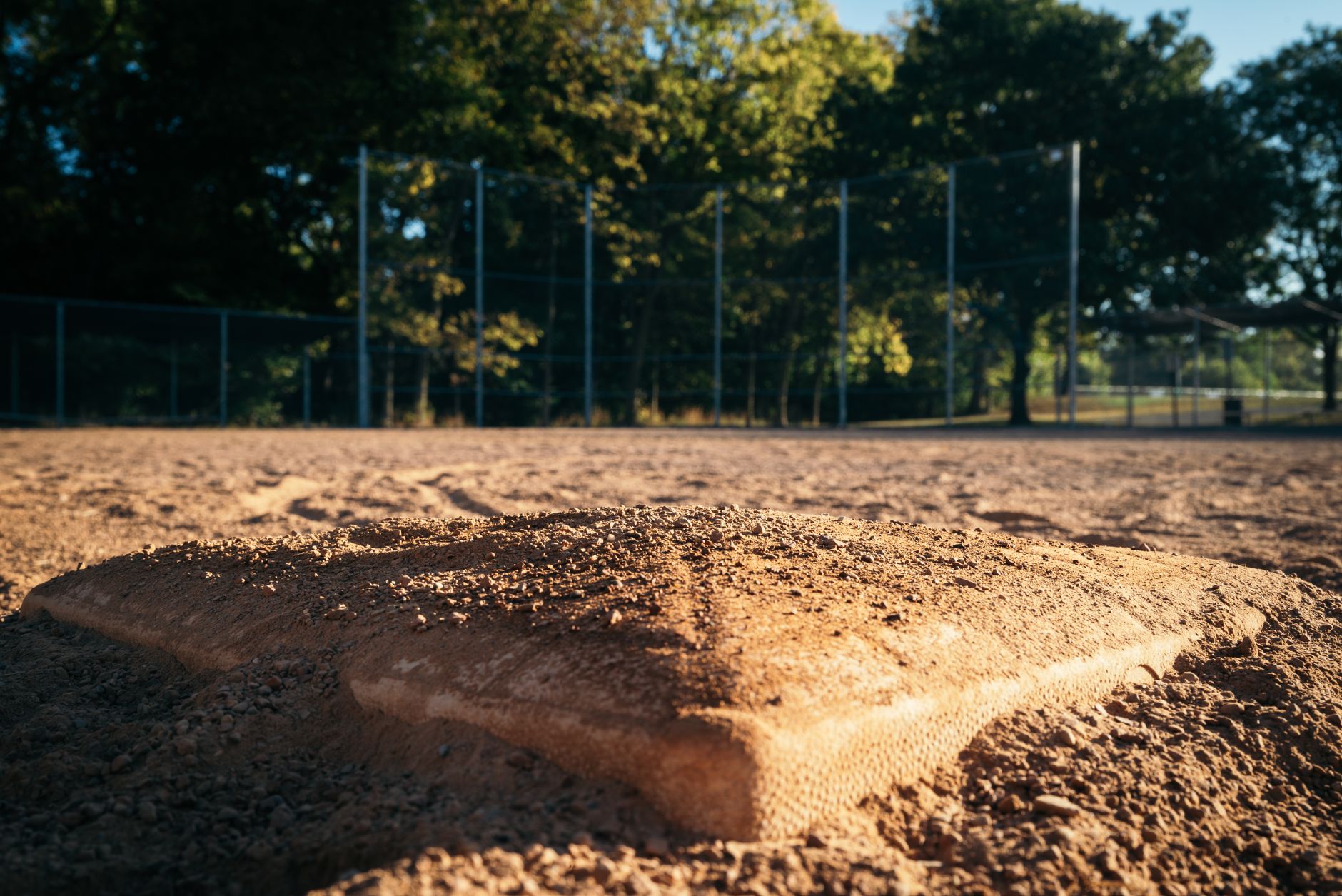
From high school football fields to college baseball diamonds to municipal soccer complexes, sports turf managers across West Tennessee deal with the same fundamental challenge: keeping playing surfaces firm, safe, and drainable under heavy use and unpredictable weather.
Why Sand Is Critical for Athletic Field Drainage
A waterlogged athletic field costs more than just a cancelled game. Standing water accelerates turf disease, compacts the soil profile under foot traffic, and creates safety hazards for players. Sand-based or sand-amended field profiles drain faster and recover more quickly after rain events than native soil fields.
For schools and parks departments in West Tennessee that can’t afford to cancel events or pay for emergency drainage repairs, investing in the right sand profile upfront is the more economical choice. Jackson Sand supplies athletic field sand sized and graded for sports turf applications, with the delivery capacity to handle large field projects on a realistic schedule.
Infield Mix and Topdressing for Ballfields
Baseball and softball infields have specific surface requirements: firm enough for consistent ball bounce and player footing, but not so hard that it creates injury risk or uneven hops. A well-maintained infield mix typically combines sand, silt, and clay in proportions that balance drainage with surface firmness — often 60–70% sand by volume.
Regular topdressing with a consistent sand product keeps the infield surface level, fills low spots created by foot traffic, and maintains the drainage characteristics of the base profile. The key is using the same sand specification each time — switching products mid-season can create layering that changes how the surface drains and plays.
Aeration and Sand Backfill
Core aeration followed by sand backfill is one of the most effective tools for improving drainage and reducing compaction on high-traffic turf. After cores are pulled, sand is dragged into the holes to create vertical drainage channels that bypass the compacted layer. Over multiple seasons of aeration and sand backfill, the cumulative effect is a measurably improved root zone.
Jackson Sand offers aeration services in addition to sand supply, which means field managers can coordinate both the material and the application through a single call to 731-668-0440 rather than managing separate vendors.
8. Drainage Solutions: More Than Just Aggregate
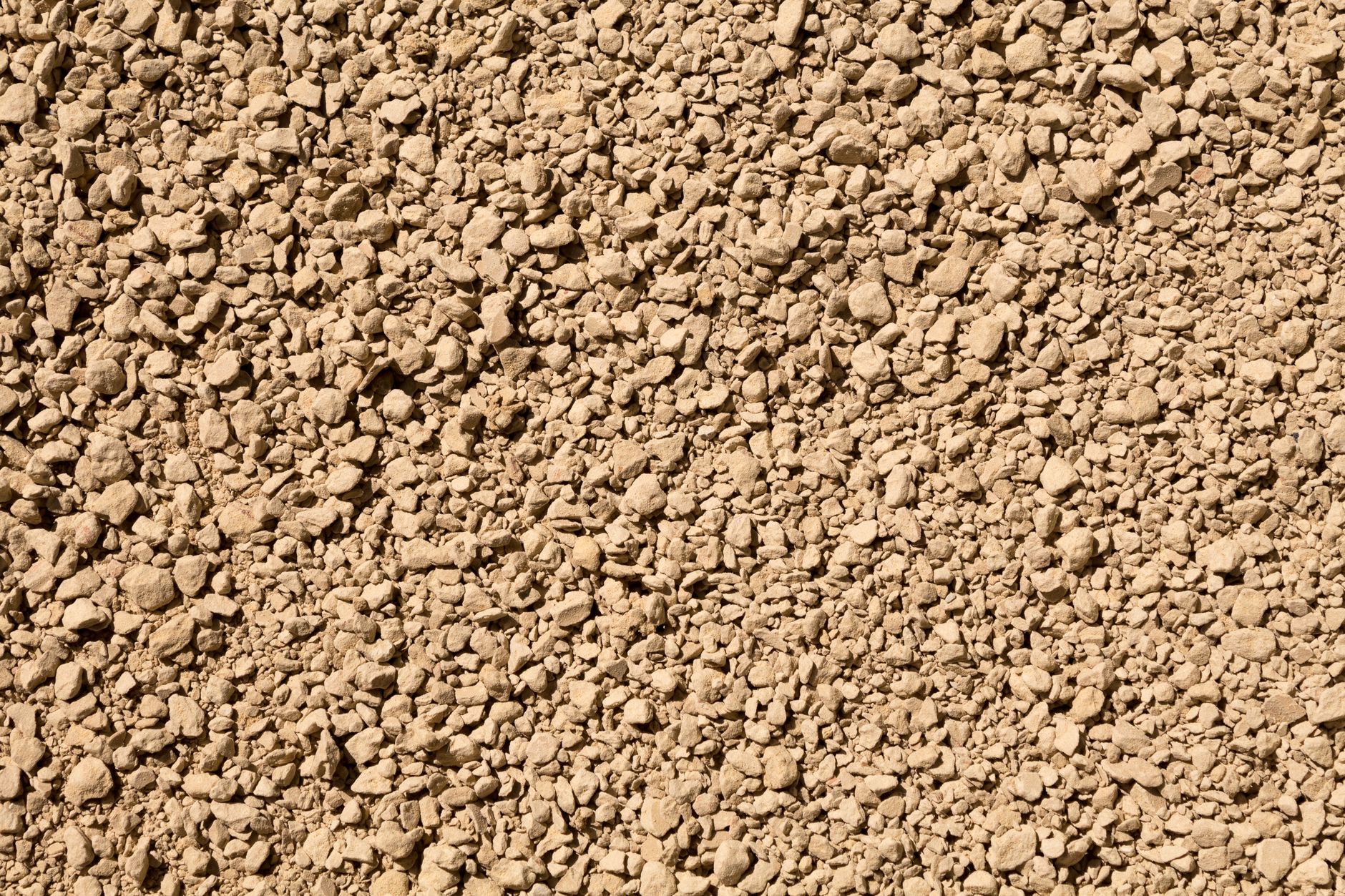
Water management problems cost West Tennessee property owners and turf managers significant money every year — in cancelled events, damaged infrastructure, and emergency repairs. The right aggregate, properly specified and correctly installed, is the most durable solution.
Surface Drainage and Positive Slope
The cheapest drainage fix is also the most often overlooked: establishing positive slope so water moves away from problem areas under gravity alone. For most applications, a minimum slope of 1–2% (1–2 inches of fall per 10 feet of run) is sufficient to prevent ponding. Achieving and maintaining that slope requires the right grading aggregate — material that compacts predictably and holds its grade after rain events and traffic.
Jackson Sand supplies surface drainage materials sized for grading and slope work, including the coarser aggregates used as base layers under permeable surfaces and the finer sands used for finish grading on turf areas.
French Drains, Drainage Basins, and Catch Systems
When surface grading alone isn’t enough, subsurface drainage systems collect and redirect water that can’t move fast enough across the surface. A French drain — a trench filled with perforated pipe surrounded by drainage aggregate and wrapped in geotextile fabric — can intercept groundwater and route it to a safe outlet. Drainage basins collect surface runoff at low points and channel it into the pipe system.
The aggregate used in these systems must be clean, well-graded, and free of fines that would migrate into the pipe and cause blockages. Jackson Sand’s drainage materials are selected for these applications, and the team can help match the right product to your specific drainage design.
Seepage Drainage for Turf and Construction Sites
Seepage drainage aggregate is placed around perforated pipe to allow groundwater to enter the drain while filtering out the fine particles that would clog it over time. The aggregate must be sized so that its void spaces are large enough to pass water freely but small enough to prevent migration of the surrounding soil into the drain.
For turf applications — particularly on golf courses and athletic fields where subsurface drainage systems represent a significant capital investment — using the correct seepage aggregate is not optional. A clogged drain system on a high-value green or a championship-quality field can cost tens of thousands of dollars to excavate and replace.
Which Material Is Right for Your Project? A Quick Reference
Use this table to match your project type to the right material and key specification to ask about when you call.
9. Landscapers and Contractors: What to Expect from a Bulk Supplier

Professional landscapers and site-work contractors have different needs from homeowners — higher volumes, tighter schedules, and more complex logistics. Here’s what to think through when setting up a bulk aggregate delivery for a commercial or residential project.
Scheduling and Lead Time
For landscaping and construction crews, delivery timing is a production issue. A sand or gravel delivery that shows up two days late can idle a crew, push back a project completion date, and trigger penalty clauses in commercial contracts. When evaluating a bulk aggregate supplier, ask specifically about typical lead times, whether they can accommodate same-day or next-day orders for urgent needs, and how they handle scheduling conflicts during peak season.
Suppliers who own their own trucks — rather than outsourcing to third-party carriers — generally have more control over their delivery schedule. That control translates to more reliable service for contractors who are managing tight project timelines.
Load Size Flexibility
Not every job needs a full tandem-axle load. A homeowner adding a gravel path needs far less material than a contractor grading a commercial parking lot. A good bulk supplier should be able to accommodate both ends of the volume range without penalizing small orders with disproportionate delivery fees or requiring minimum quantities that force customers to over-order.
Jackson Sand serves both large and small jobs, which means a landscaper doing a residential drainage repair and a golf course superintendent ordering sand for a full bunker renovation can both get the service and material they need from the same supplier.
Site Access and Delivery Logistics
Before scheduling a bulk delivery, think through site access. A tandem-axle dump truck needs a clear path at least 12–14 feet wide and overhead clearance of at least 14 feet to reach most delivery points. Low-hanging branches, soft ground near the delivery zone, and tight turns near structures can all create problems on delivery day.
Communicate any access constraints to your supplier when you place the order. A driver who knows about a low gate or a soft shoulder can plan accordingly; one who discovers it on arrival may not be able to complete the delivery safely.
10. Homeowners in Jackson and West Tennessee: Getting Sand or Gravel Delivered
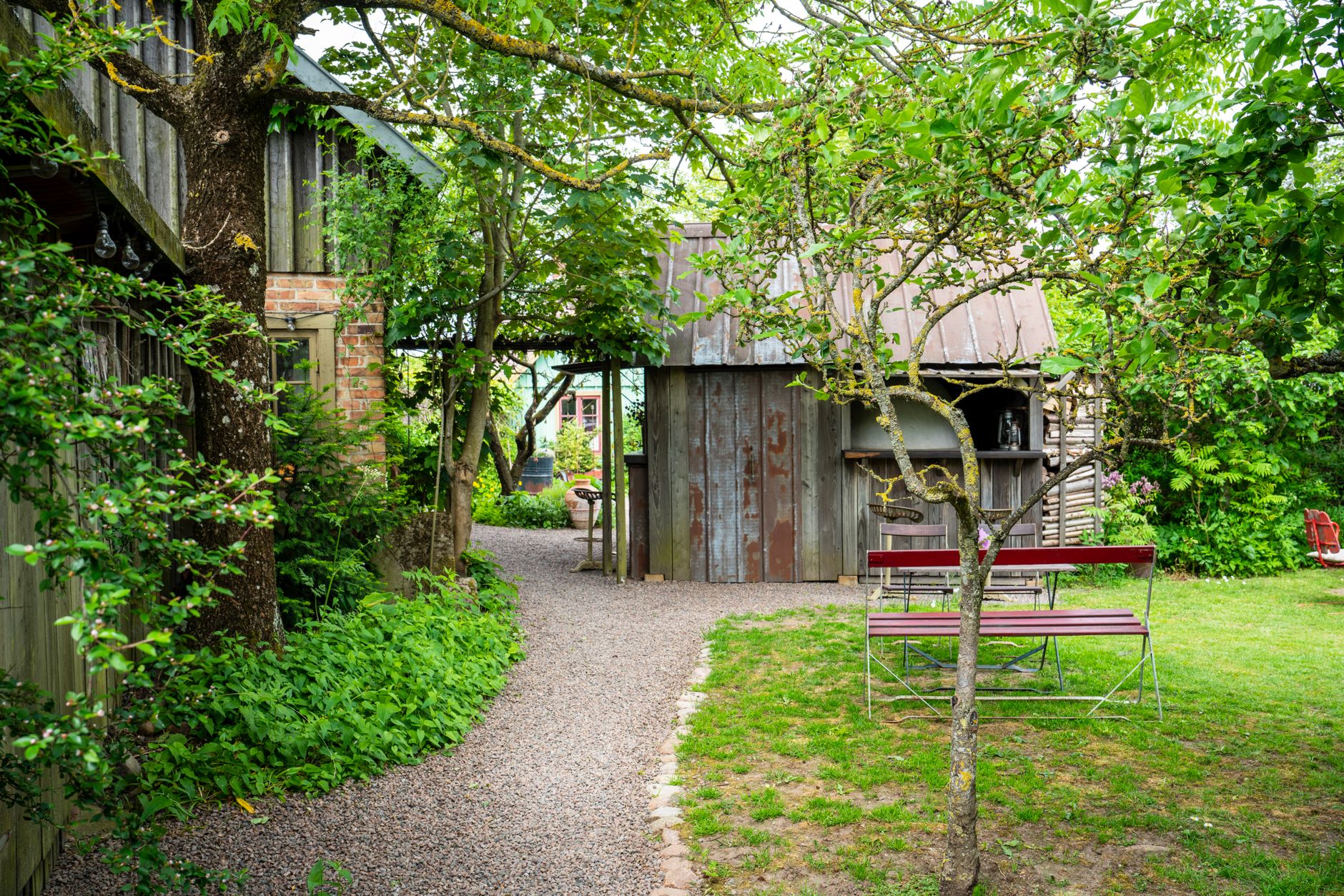
You don’t need to be a golf course superintendent or a general contractor to order bulk aggregate. Homeowners across Jackson and West Tennessee use bulk sand, gravel, and mulch for everyday projects — and the process of ordering a delivery is straightforward.
Common Residential Uses for Bulk Sand and Gravel
Homeowners in West Tennessee order bulk aggregate for a wider range of projects than most people realize. Common residential applications include:
- Driveway gravel: A standard residential driveway (12 ft × 50 ft) covered with 4 inches of gravel requires approximately 7.4 cubic yards of material.
- Raised garden beds: Coarse sand mixed into native clay soil improves drainage and workability for vegetable and flower gardens.
- Drainage repairs: French drains around foundations, in low spots in the yard, or along fence lines.
- Sandbox fill: Clean, washed sand for children’s play areas.
- Mulch for landscape beds: Bulk mulch is significantly cheaper per cubic yard than bagged mulch from a home improvement store.
How to Place a Residential Order
Ordering bulk aggregate as a homeowner is simpler than it sounds. Start by measuring your project area and using the yardage calculator at jacksonsand.com to determine how many cubic yards you need. Then call Jackson Sand at 731-668-0440 with your material type, quantity, delivery address, and preferred delivery window.
Before the truck arrives, mark the delivery spot clearly — a cone, a flag, or a chalk mark on the driveway works fine. Make sure the area is free of vehicles, low-hanging wires, and soft ground that could cause the truck to sink. Most residential deliveries take less than 15 minutes once the truck is on site.
11. What Sets Jackson Sand Apart from Generic Aggregate Suppliers
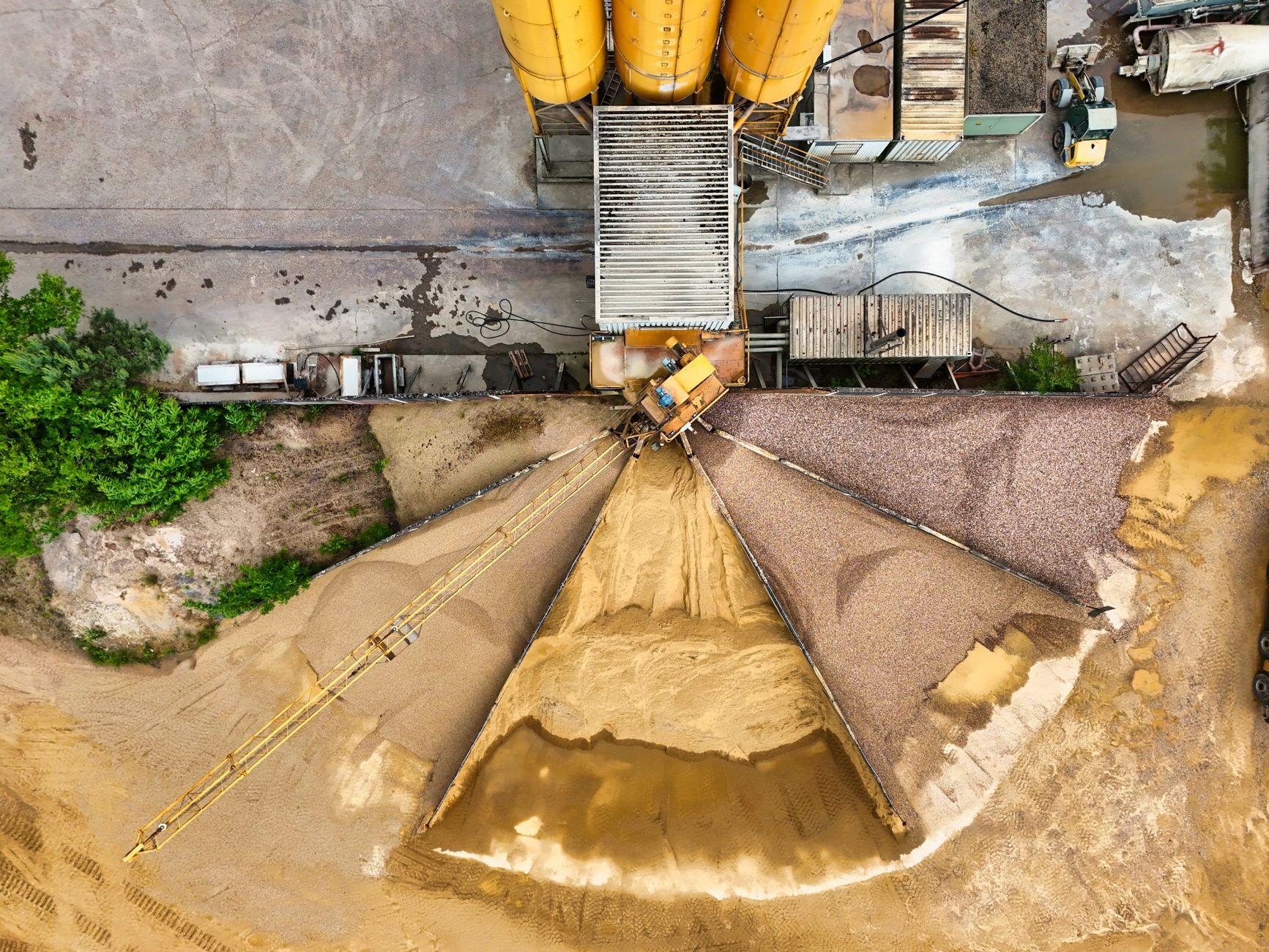
There are aggregate suppliers and there are aggregate suppliers. The difference between a reliable partner and a frustrating vendor often comes down to a few operational choices that affect every order you place.
Mixed On-Site for Consistent Quality
Many aggregate suppliers are essentially resellers — they purchase material from a quarry or processing facility and pass it along to customers with minimal quality control. Jackson Sand mixes its own sand on its own premises in Jackson, TN, which means every load starts with a controlled process rather than whatever happened to come off the conveyor at a third-party plant.
That on-site mixing capability is what makes it possible to produce consistent particle size distributions, meet USGA and sports turf specifications reliably, and back those claims with lab-tested spec sheets. It’s also what makes it possible to accommodate custom blends for customers with specific agronomic requirements.
Own Trucks, Included Delivery
Jackson Sand delivers in its own trucks — no third-party carriers, no outsourced logistics. That means the same team that mixed the sand is responsible for getting it to your site accurately and on time. Delivery is included in the price, so there’s no freight surcharge to negotiate or surprise line item on the invoice.
For customers managing project budgets — whether it’s a golf course renovation, a school athletic field, or a residential drainage repair — knowing the all-in cost upfront makes planning easier and eliminates the kind of billing surprises that damage supplier relationships.
Local Knowledge and Regional Reach
Jackson Sand is based at 139 United Dr., Jackson, TN 38305, and serves customers across West Tennessee and the surrounding Mid-South region. That local presence means the team understands the soil conditions, weather patterns, and project types common to this part of Tennessee — knowledge that a national aggregate broker simply doesn’t have.
When you call 731-668-0440, you’re talking to people who have delivered sand to golf courses, high school football fields, and residential driveways across West Tennessee. That experience shows up in the quality of the recommendations you get when you describe your project.
Ready to Order? Here's Your Next Move

Getting bulk sand or gravel delivered in West Tennessee doesn’t have to be complicated. Three steps get you from project idea to material on site.
Step 1: Calculate Your Quantity
Before you call, know your numbers. Measure your project area, decide on your material depth, and run the calculation — or use the free yardage calculator at jacksonsand.com to get your cubic yardage in under a minute. Having a number ready when you call speeds up the ordering process and ensures you get an accurate quote.
Step 2: Review the Spec Sheets
If you’re ordering sand for a turf application — golf course, athletic field, or top dressing — download the lab-tested spec sheets at jacksonsand.com/sand-specs and confirm the product meets your agronomic or engineering requirements. If you have questions about which spec is right for your application, the Jackson Sand team can walk you through the options.
Step 3: Get in Touch
Call Jackson Sand at 731-668-0440 or submit a request through the contact page at jacksonsand.com to discuss your project, confirm material availability, and schedule your delivery. Jackson Sand serves customers across Jackson, West Tennessee, and the surrounding Mid-South — large jobs and small ones alike, with delivery included.
Whether you’re a golf course superintendent planning a bunker renovation, a parks department manager getting a field ready for the season, a landscaping contractor with a drainage project on the schedule, or a homeowner who just needs a few yards of gravel, Jackson Sand has the material, the equipment, and the local knowledge to get the job done right.
Frequently Asked Questions
Does Jackson Sand deliver to my area in West Tennessee?
Jackson Sand is based in Jackson, TN and serves customers across West Tennessee and the surrounding Mid-South region. Call 731-668-0440 to confirm delivery availability for your specific location.
Is delivery included in the price of bulk sand or gravel?
Yes. Jackson Sand delivers in its own trucks and includes delivery in the price of your order. There is no separate freight charge to negotiate.
How do I know how many cubic yards of sand or gravel I need?
Measure your project area in feet, decide on the depth in inches, and use the formula: (Length × Width × Depth in inches) ÷ 324 = cubic yards. You can also use the free yardage calculator at jacksonsand.com/yardage-calculator/ for a quick, accurate estimate.
Does Jackson Sand carry USGA-spec sand for golf course greens and bunkers?
Yes. Jackson Sand supplies bunker sand and top dressing sand that meets USGA particle size and infiltration specifications. Lab-tested spec sheets are available at jacksonsand.com/sand-specs/ so you can verify compliance before ordering.
Can homeowners order bulk sand, gravel, or mulch from Jackson Sand, or is it only for commercial customers?
Jackson Sand serves both large commercial projects and small residential orders. Homeowners in Jackson and West Tennessee can call 731-668-0440 to order any quantity of sand, gravel, or mulch with delivery included.
What is the difference between bunker sand and top dressing sand?
Bunker sand is designed for golf course sand traps — it prioritizes firmness, resistance to contamination, and playability. Top dressing sand is applied to greens and tees to smooth surfaces and maintain the drainage profile; it must closely match the particle size of the existing root zone mix to avoid creating drainage-blocking layers.