
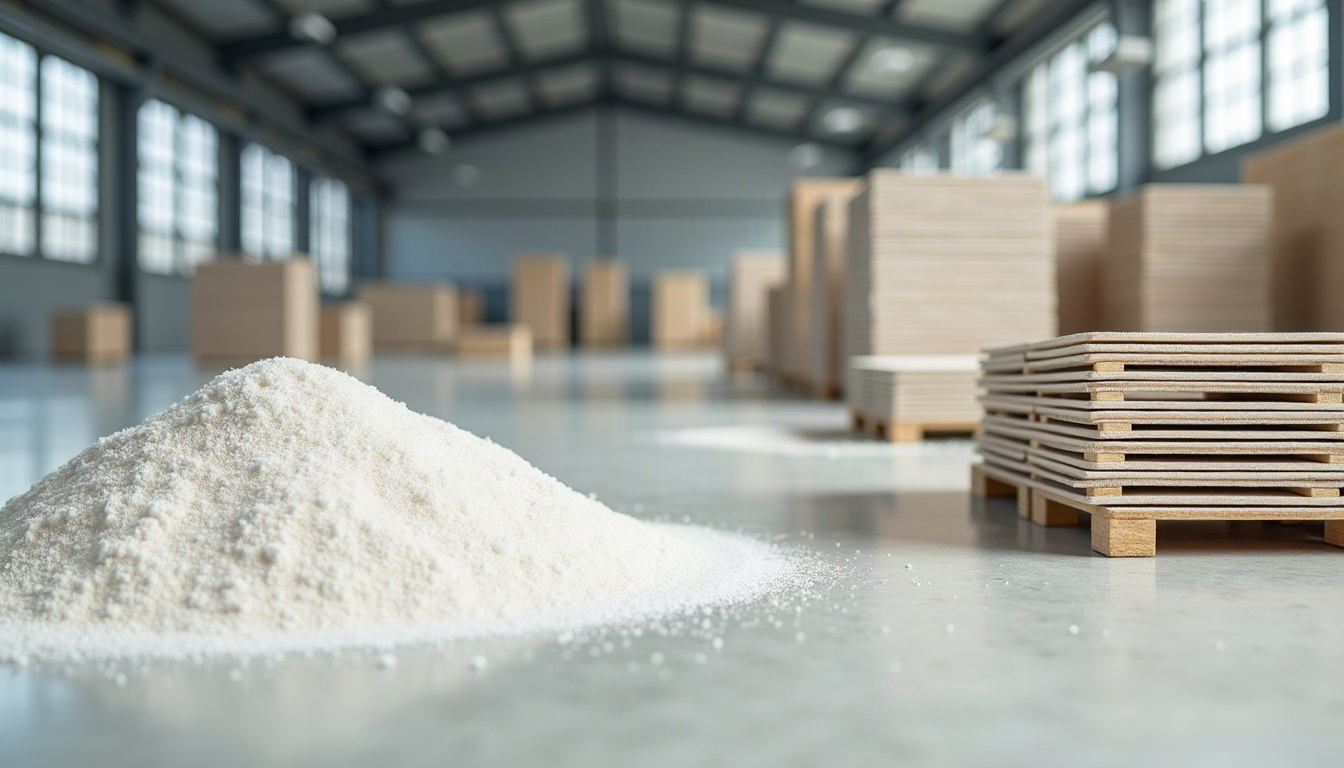
Sand for Ceramic Tile Production: What Manufacturers Need
Quick answer: Silica sand gives ceramic tile bodies their structure, controlling shrinkage, warpage and thermal expansion, and it is the main glass former in glazes. Tile manufacturers need sand with consistent particle size, low iron and contaminants, little clay or organics, and dependable supply. Jackson Sand in Jackson, Tennessee washes and classifies sand used by ceramic tile manufacturers, with capacity up to 150,000 tons a year and its own truck fleet.
Why Sand Matters in Ceramic Tile Production
A ceramic floor or wall tile looks simple, but its body is a carefully balanced blend of raw materials. Clays give plasticity so the body can be formed. Fluxes such as feldspar melt during firing and bind everything together. Silica, most often supplied as quartz sand, forms the rigid skeleton that keeps the tile flat, stable and strong through drying and firing.
Silica sand is one of the highest-volume raw materials in many tile plants, and it is also one of the easiest to take for granted. When it is consistent, the batch house runs smoothly and the kilns produce predictable results. When it is not, problems show up downstream as dimensional variation, warpage, color shifts, specks and rejected product.
This guide covers, in general industry terms, what silica sand does in ceramic tile bodies and glazes, what manufacturers typically look for in a sand supplier, and how Jackson Sand in Jackson, Tennessee supplies sand used by ceramic tile manufacturers. Every plant has its own recipes and specifications, so the details here are a starting point for a conversation, not a substitute for a manufacturer’s own testing.
Where silica fits in a typical tile batch
Proportions vary widely by product type. Porcelain bodies, red-body wall tile and monoporosa formulas each use different balances of clay, flux and silica. Across these formulas, though, silica is commonly a substantial share of the dry batch, which is why tile plants buy it in steady, high volumes and why small changes in its quality can have a large effect on the line.
The Role of Silica in Ceramic Tile Bodies
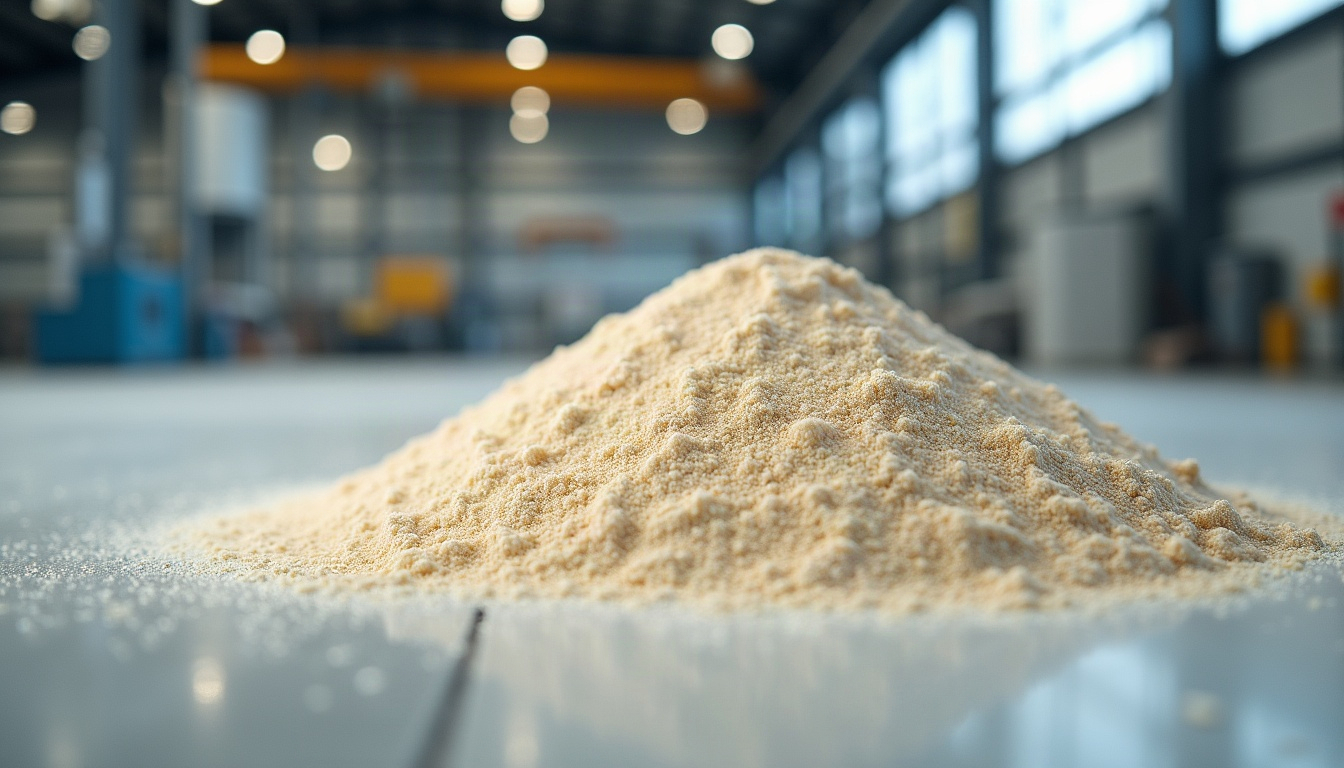
In a tile body, silica is primarily a filler and structural material. It does not shrink much during drying, and much of the quartz stays crystalline through firing, so it acts as a framework within the body.
Controlling shrinkage and warpage
Clays shrink significantly as they dry and fire. Adding non-plastic silica reduces overall shrinkage and helps the tile hold its shape. Large-format tiles are especially sensitive to warpage, so a stable, predictable silica fraction supports flatness and dimensional accuracy.
Thermal expansion
Quartz has a relatively high coefficient of thermal expansion, and it changes volume at its crystal inversion near 573 degrees Celsius. The amount and particle size of quartz in the body influence the fired body’s expansion, which in turn affects how well the body and glaze fit together. A good body-glaze fit helps prevent crazing (a fine crack network in the glaze) and shivering (glaze flaking off).
Strength and density
During firing, part of the fine silica reacts with fluxes to form a glassy phase, while the remaining quartz grains reinforce the structure. The balance between dissolved and undissolved silica affects porosity, water absorption and mechanical strength. That balance is tied to particle size: finer silica reacts more readily, coarser silica stays as a skeleton.
Drying and pressing behavior
Because silica is non-plastic, it opens up the body and helps moisture escape during drying, reducing the risk of drying cracks. In pressed tile, the silica fraction also influences how the spray-dried powder packs in the die.
Silica in Ceramic Glazes and Engobes
If silica is the skeleton of the tile body, it is the backbone of the glaze. Silica is the primary glass former in most ceramic glazes. Fluxes lower its melting point, and alumina stiffens the melt so it stays on vertical surfaces and develops the right surface texture.
- Glass formation. Silica builds the glassy network that gives glaze its hardness, chemical resistance and sheen.
- Glaze fit. Adjusting silica content is one of the main levers glaze chemists use to tune thermal expansion and avoid crazing or shivering.
- Durability. Adequate silica improves resistance to wear, staining and chemical attack, which matters for floor tile in particular.
- Engobes. Many tiles use an engobe, a slip layer between body and glaze, to mask body color and improve glaze adhesion. Engobes commonly include silica as well.
Silica for glazes and frits is usually ground to a very fine powder, and purity requirements tend to be tighter than for body sand because impurities show directly in the finished surface. Whether a given sand is suitable for body, engobe or glaze use depends on the manufacturer’s specifications and its own milling and processing steps.
Body sand versus glaze silica
Many plants treat these as separate raw materials. Body sand is often bought in bulk and milled with the rest of the body batch. Glaze silica may be bought already ground to a fine flour or milled in-house to tight fineness targets. A single sand source can sometimes supply both, but each use has to be qualified on its own terms. Manufacturers should be clear with any supplier about which use they are evaluating.
What Ceramic Tile Manufacturers Need From a Sand Supplier
Tile plants run continuous, high-volume processes. Raw material variability is expensive because it ripples through milling, spray drying, pressing, glazing and firing. In general, manufacturers look for the following from a sand supplier.
| Requirement | Why it matters in tile production | What to discuss with a supplier |
|---|---|---|
| Consistent particle size | Affects milling time, body packing, reactivity in firing and shrinkage | How the sand is classified and how consistency is checked |
| Low iron and contaminants | Iron oxide and other impurities darken fired color and can cause specks or spots | Available chemical data and how often it is checked |
| Washed, low fines and clay | Uncontrolled clay and silt change body plasticity, water demand and slip rheology | Washing process and fines control |
| Low organics and debris | Organics can cause firing defects; debris damages equipment | Source quality and screening steps |
| Predictable moisture | Moisture swings throw off batch weights and dryer loads | Dewatering and stockpile management |
| Reliable supply volumes | Running out of a raw material can stop a production line | Production capacity, stockpiles and delivery scheduling |
| Clean, dedicated hauling | Residue from other loads contaminates the batch | Who owns the trucks and how loads are kept clean |
The sections below look at each of these in more detail.
Particle Size Consistency
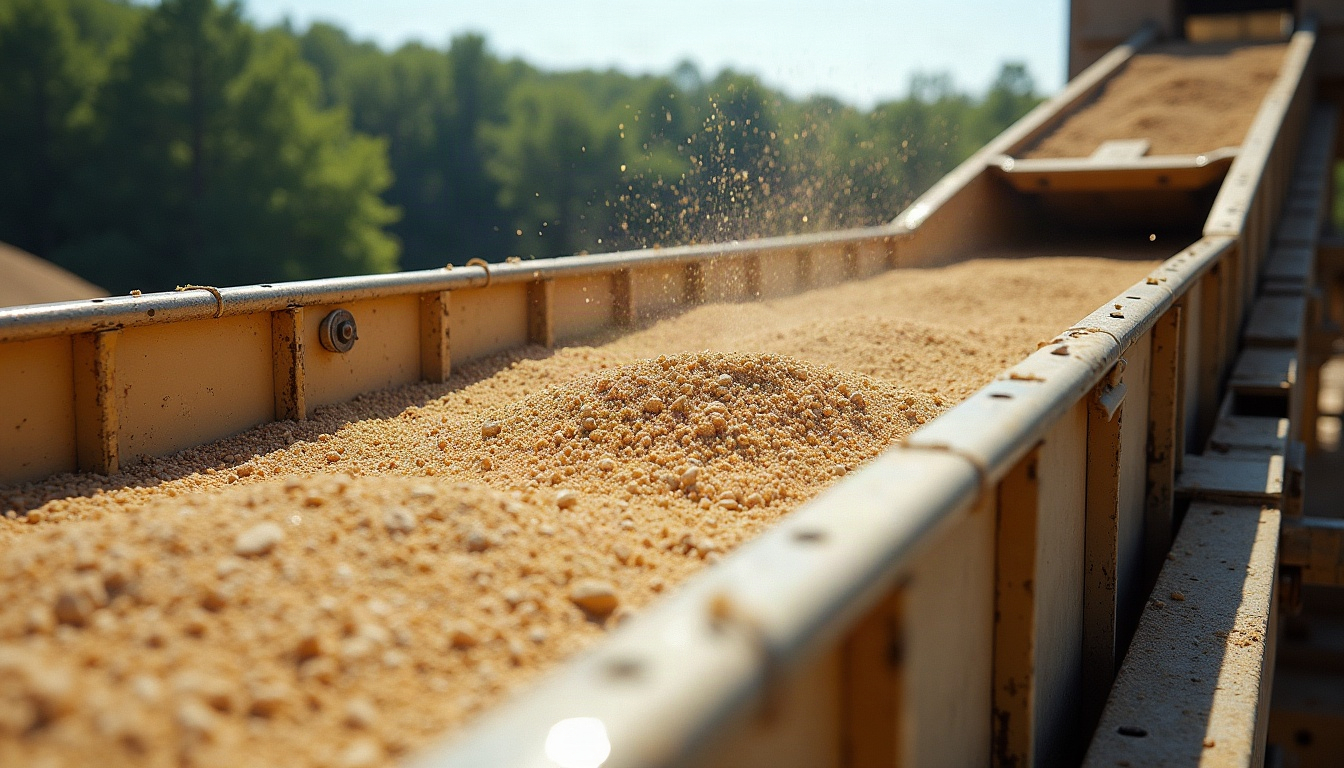
Particle size distribution is often the first property a tile plant checks on incoming sand. It influences several stages of production at once.
Milling
Many tile bodies are wet milled in ball mills or continuous mills to a fine residue target. A coarser or more variable sand takes longer to grind and can push residue out of specification. A consistent feed lets the plant hold milling times steady and keeps energy use predictable.
Body packing and pressing
Even after milling, the size distribution of the silica fraction affects how particles pack in the pressed tile. Changes in packing alter green density, which carries through into fired shrinkage and final tile dimensions. For rectified and large-format tile, small shifts matter.
Firing reactions
Fine silica dissolves into the glassy phase more readily than coarse silica. If the size distribution of incoming sand drifts, the ratio of dissolved to residual quartz drifts too, and so can thermal expansion and strength.
A sand producer controls particle size mainly through classifying. At Jackson Sand’s plant, screw classifiers separate sand-sized grains from fine material, and the washing and dewatering steps are tuned to deliver a repeatable product. Jackson Sand applies the same particle size discipline to the products listed on its sand specs page, which are tested for sand, silt and clay content and particle distribution. Manufacturers should discuss their own gradation requirements directly with the team.
Purity: Iron, Clay and Other Contaminants
Purity requirements for ceramic sand depend on what the plant makes. Generally speaking:
- White and light-colored bodies, including many porcelain tiles, need sand with low iron oxide content. Iron darkens the fired body and shifts it toward cream, buff or gray.
- Red and darker bodies are usually more tolerant of iron, since the body is already colored by iron-bearing clays.
- Glazes and frits typically have the tightest purity needs, because contaminants show up directly as color shifts, specks or pinholes in the surface.
Other contaminants
Beyond iron, manufacturers watch for titanium and other coloring oxides, heavy mineral grains that cause dark specks, clay coatings that change body behavior, organic matter that can lead to black coring or bloating in firing, and stray debris such as wood or plastic.
The role of washing
Washing removes much of the clay and silt that coats grains and carries some contaminants. It also helps remove organics and lightweight debris. Washing does not change the inherent mineral chemistry of a deposit, so manufacturers usually combine supplier information with their own incoming material tests.
Jackson Sand washes its sand and keeps its trucks dedicated to its own materials, which reduces the chance of foreign material reaching a customer. For chemistry questions specific to a plant’s recipe, the right step is to talk with the team and arrange whatever sampling the manufacturer’s quality department requires.
Incoming inspection
Most tile plants test incoming sand on a regular schedule, checking moisture, particle size and, for color-sensitive products, fired color on test tiles. A supplier with a consistent process makes that inspection routine rather than a source of surprises. When results do drift, a fast conversation with the supplier is the quickest way to trace the cause.
Reliable Supply: Volume, Stockpiles and Trucking
A tile line that runs around the clock cannot afford a raw material gap. For many manufacturers, reliability of supply ranks right alongside material quality when choosing a sand source.
Production capacity
Jackson Sand has grown from producing about 25,000 tons a year in its early days to a capacity as high as 150,000 tons a year with new equipment. That scale lets the company support steady, high-volume customers while continuing to serve its golf course, athletic field and construction markets.
Stockpiles
Washed and dewatered sand is built into stockpiles by stacking conveyors at the plant. Stockpiles buffer production against weather and demand swings, and they give the sand time to drain to a more stable moisture content before it is loaded.
Its own fleet
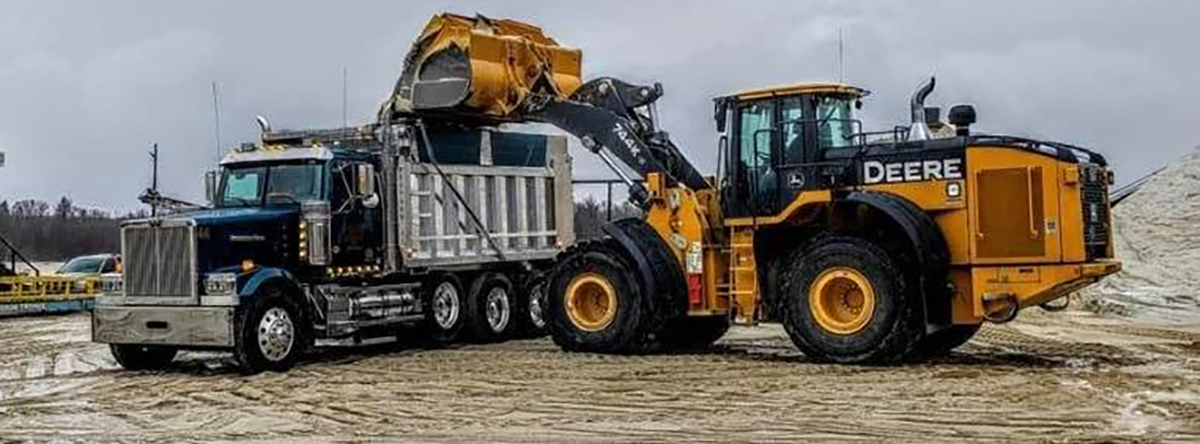
Jackson Sand started with about one truck and now runs around 14 trucks of its own. The fleet runs daily from as early as 6 a.m. until 5 or 6 p.m. Because the company owns its trucks, it controls cleanliness and avoids hauling other materials that could contaminate a load. Loaded trucks cross a scale at the plant, so the customer gets a weighed load of exactly the product ordered.
The fleet already hauls golf-course-grade materials across a wide region, from Huntsville, Alabama to Jackson, Mississippi, Little Rock, Arkansas, Owensboro, Kentucky and as far east as Tullahoma, Tennessee. Manufacturers should call to discuss scheduling and delivery for their specific location and volumes.
Inside the Jackson Sand Plant
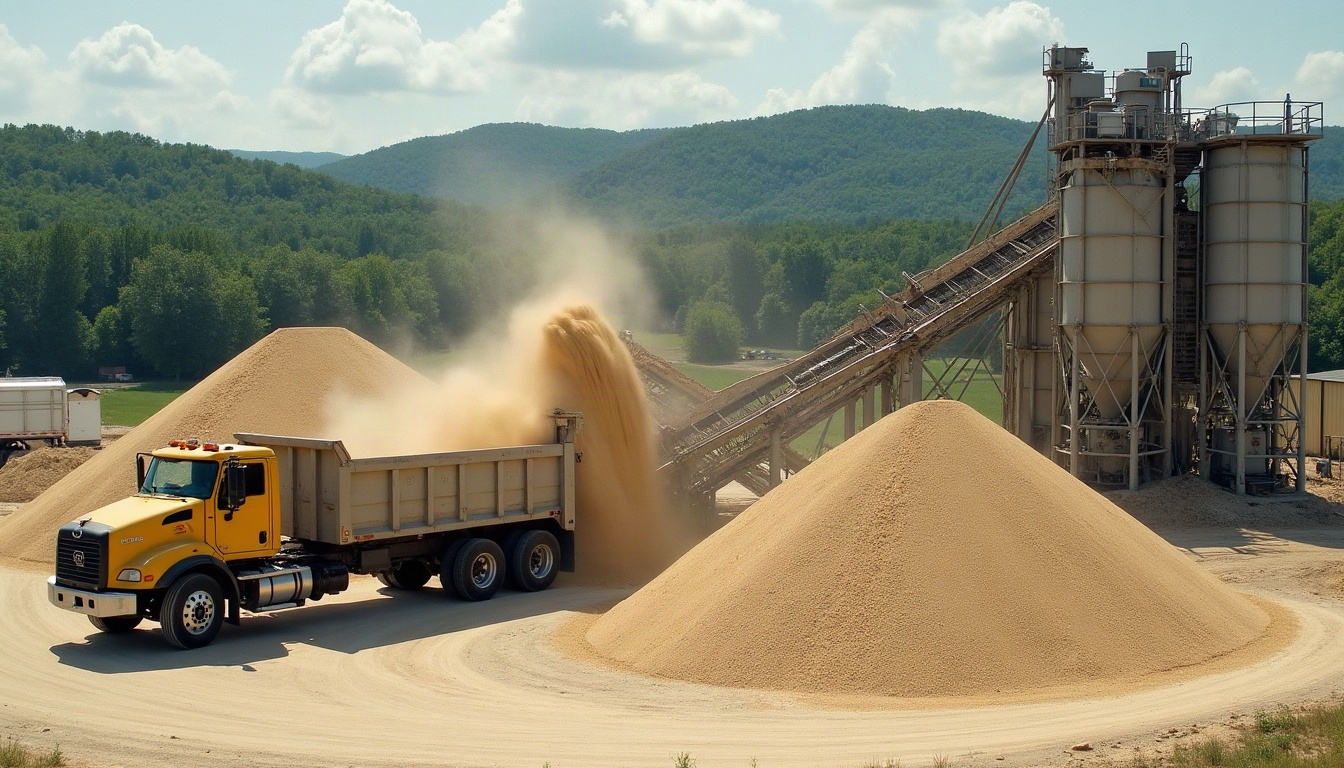
Jackson Sand came into production around 1996, and by about 1998 it had converted to making golf-course-grade material: bunker sands, top dressings and root zone mixes. Golf course work is demanding about cleanliness and particle size, and that experience carries over to industrial customers such as ceramic tile manufacturers.
The plant in Jackson, Tennessee includes:
- Sand washing to remove silt, clay and organic material
- Screw classifiers that separate sand-sized particles from fines
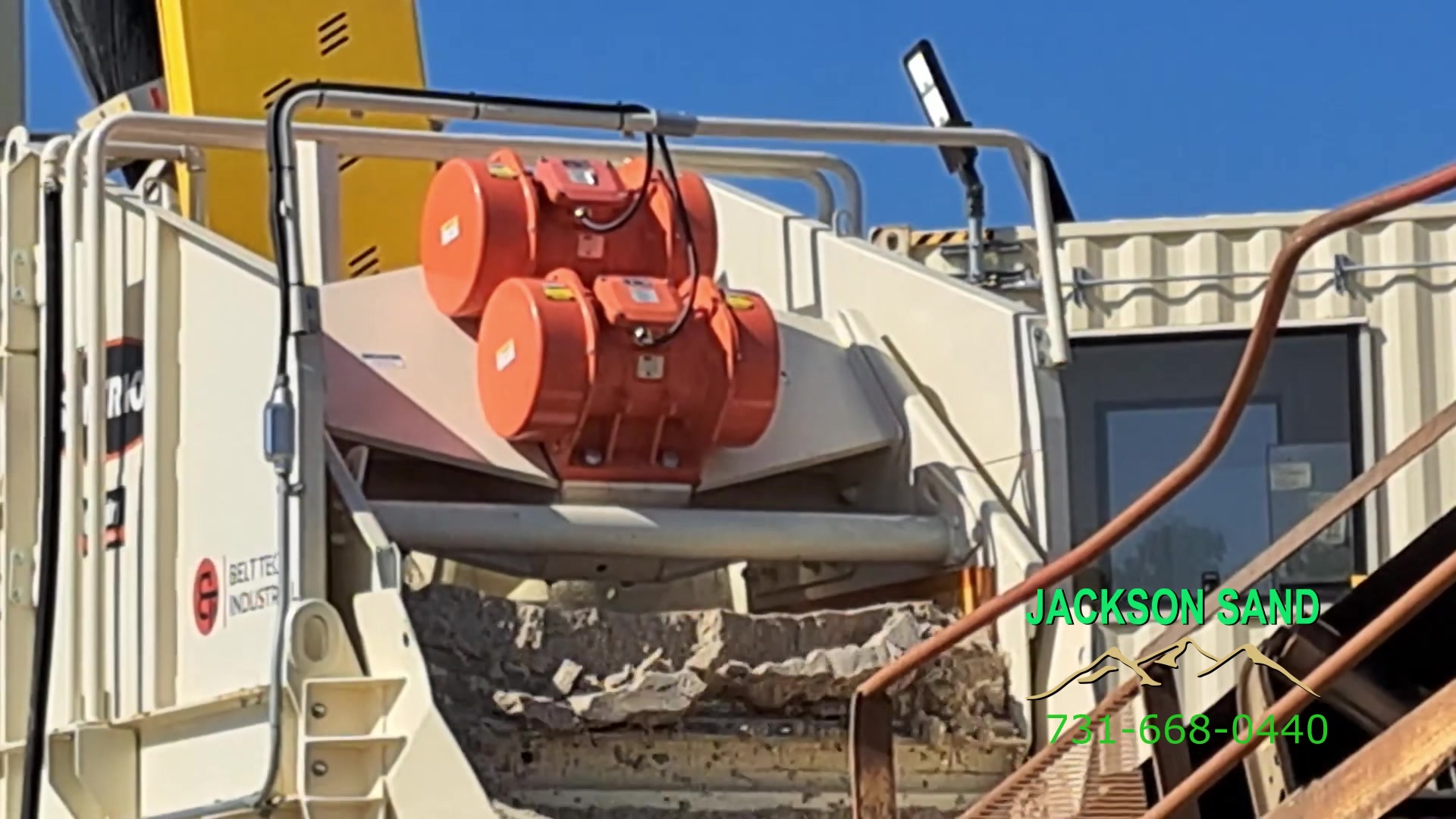
- Vibrating dewatering screens that drain excess water from washed sand
- Stacking conveyors that build and manage stockpiles
- Wheel loaders that load the company’s own dump trucks
- A truck scale for weighing outbound loads
Beyond ceramic tile sand, the plant produces bunker sand, top dressing, greens mixes, masonry sand sold through distributors in Middle and West Tennessee, and a line of gravels. Running several demanding product lines through one operation keeps the focus on process control and clean handling.
Questions to Ask Before Qualifying a New Sand Source
Qualifying a new raw material is a structured process in most tile plants. These questions help frame the first conversation with any sand supplier.
- What specifications do we need? Start with your own particle size, chemistry and moisture targets for the intended use: body, engobe or glaze.
- What data can the supplier provide? Ask what testing is available and how often it is updated.
- How is consistency maintained? Ask about washing, classifying and stockpile practices.
- Can we run trial quantities? Lab results are important, but a plant trial shows how the sand behaves in your mills, presses and kilns.
- What volumes can be supported? Compare your annual and peak requirements with the supplier’s capacity.
- How will it be delivered? Discuss trucking, scheduling, delivery windows and how loads are kept clean.
- Who do we call when something changes? A direct line to plant management makes problems easier to solve quickly.
Jackson Sand’s president, Carlton Pope, and manager, Wes Lipford, are directly involved in the operation, so manufacturers can talk with the people who run the plant.
Plan for the long term
Switching a major raw material is costly, so it makes sense to think beyond the first order. Discuss how the supplier plans for growth, how much reserve capacity exists, and how communication will work if your volumes rise or your specifications tighten. A supplier that has grown its own production several times over, as Jackson Sand has, understands that a customer’s needs change over time.
Talk to Jackson Sand About Ceramic Tile Sand
Ceramic tile manufacturers already use sand from Jackson Sand. With washing and classifying equipment, capacity as high as 150,000 tons a year and a fleet of its own trucks, the company is set up to be a steady raw material partner for plants in West Tennessee, the Mid-South and the wider region it already serves.
If you are evaluating a new sand source or want to talk through your specifications, call 731-668-0440 or reach the team through the contact page. Jackson Sand LLC is located at 139 United Dr., Jackson, TN 38305.
Inside the Jackson Sand Plant
Take a 90-second look at where our sand comes from: the washing plant, screens and conveyors, and the Jackson Sand truck fleet that delivers every load. President Carlton Pope tells the story of how the company grew from one truck in 1996.
Sources and Further Reading
- USGS silica statistics and information (U.S. Geological Survey)
- USGS Mineral Commodity Summary: industrial sand and gravel (PDF) (U.S. Geological Survey)
- USGS Mineral Commodity Summary: feldspar for ceramics and glass (PDF) (U.S. Geological Survey)
- ANSI standards for tile installation materials (Tile Council of North America)
Frequently Asked Questions
What does silica sand do in a ceramic tile body?
Silica acts as a non-plastic filler and structural skeleton. It reduces drying and firing shrinkage, helps prevent warpage, influences thermal expansion and body-glaze fit, and contributes to strength. Part of the fine silica reacts with fluxes to form a glassy phase during firing while the remaining quartz reinforces the body.
Why is low iron important in ceramic sand?
Iron oxide darkens fired ceramics, shifting white or light bodies toward cream, buff or gray and causing visible specks in glazes. Plants making white-body or porcelain tile and light glazes generally need low-iron sand, while red-body products are more tolerant. Each manufacturer sets its own limits based on its products.
Why does particle size consistency matter to tile manufacturers?
Particle size affects milling time, how the body packs when pressed, how much silica dissolves during firing and how much the tile shrinks. If incoming sand varies, those properties vary, leading to dimensional problems, warpage and color or strength changes. Consistent sand keeps the whole production line predictable.
Does Jackson Sand supply ceramic tile manufacturers?
Yes. Jackson Sand produces sand that ceramic tile manufacturers use. The company washes and classifies sand at its plant in Jackson, Tennessee, has capacity as high as 150,000 tons per year, and delivers with its own fleet of around 14 trucks. Call 731-668-0440 to discuss specifications and volumes.
How much sand can Jackson Sand produce?
Jackson Sand has grown from about 25,000 tons per year in its early days to a production capacity as high as 150,000 tons per year with new equipment. That capacity supports high-volume industrial customers alongside its golf course, athletic field and construction markets.
How does Jackson Sand keep loads clean?
Jackson Sand owns its trucks, so it controls what they haul and how they are maintained. That avoids cross-contamination from other materials and means customers receive exactly the product they ordered. Outbound loads are also weighed on the plant's truck scale.
Ready to order or have a question about the right material? Call Jackson Sand at 731-668-0440 or send us a message and we will help you pick the right product and quantity.
Leave a Reply