
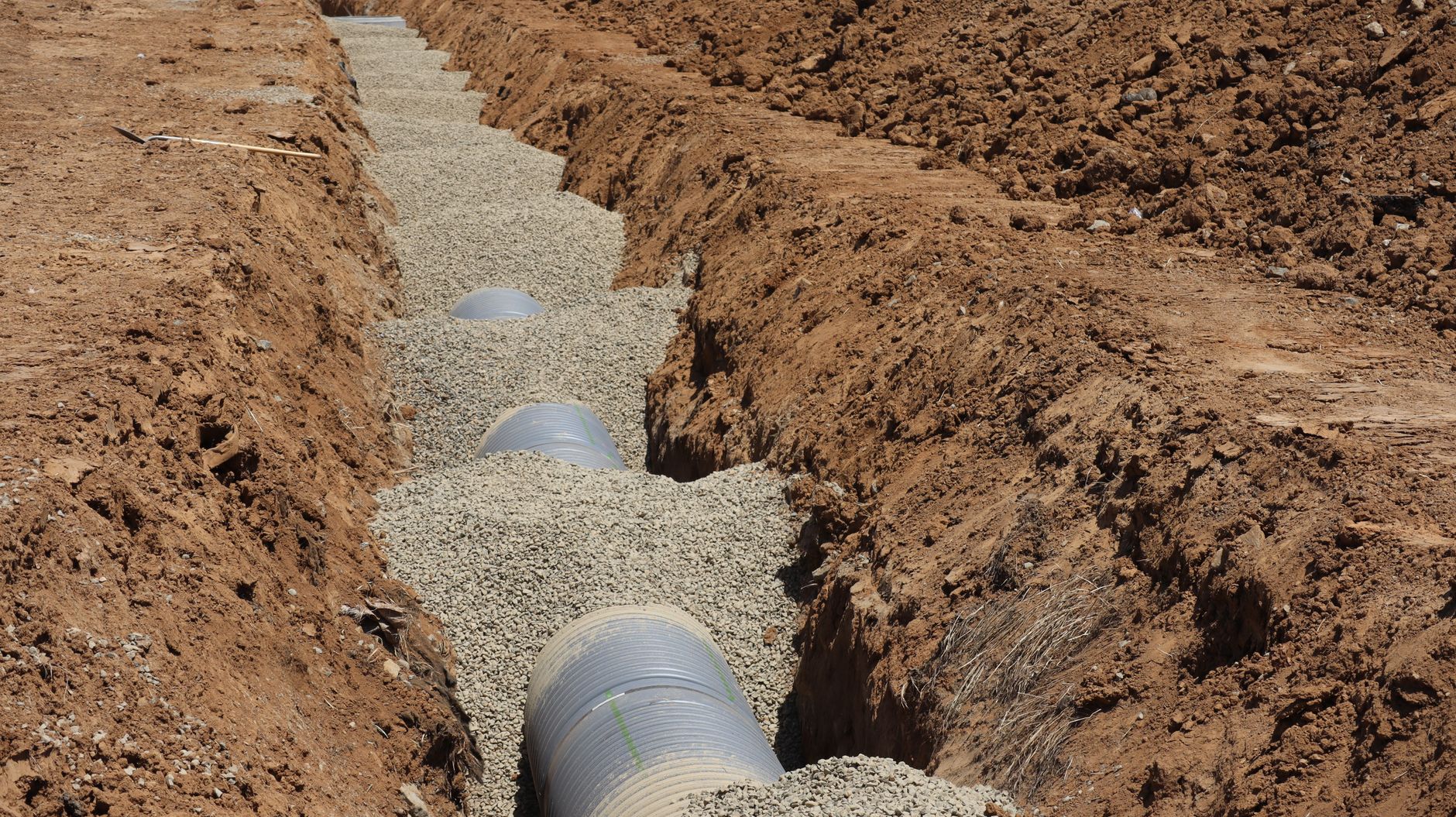
What Size Aggregate Is Best for Drainage Basins? Your 8-Point Guide
Quick answer: For most drainage basins, a clean crushed stone or washed gravel in the ½-inch to 1½-inch range (AASHTO #57 or #67) delivers the best balance of void space, flow rate, and structural stability. Finer material like pea gravel (⅜ inch) works well for shallow surface basins, while coarser #4 stone (1½–2½ inch) suits high-volume or deep infiltration applications. The right choice depends on your basin's depth, soil type, inflow rate, and whether the basin must also support foot or vehicle traffic. Jackson Sand supplies tested drainage aggregate for golf courses, athletic fields, and job sites throughout West Tennessee — call 731-668-0440 for a recommendation.
1. Why Aggregate Size Is the Most Important Variable in a Drainage Basin
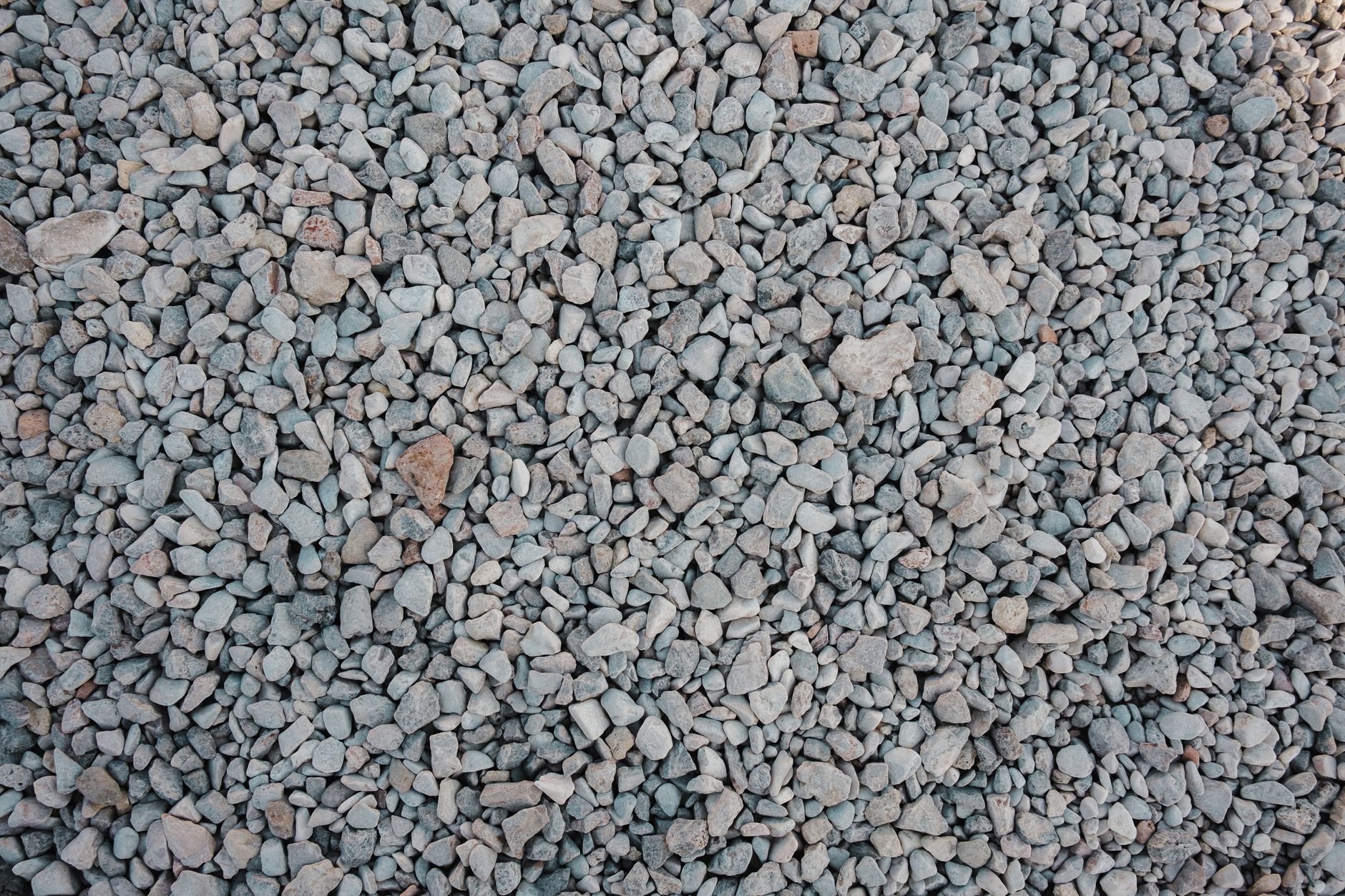
When engineers, turf managers, and contractors talk about drainage basin performance, the conversation almost always comes back to one variable: aggregate particle size. Get it right and a basin quietly handles storm events for decades. Get it wrong and you are looking at standing water, soggy turf, and expensive rework. Understanding why size matters so much is the first step toward specifying the right material for your project in West Tennessee.
Void Space: The Hidden Engine of Drainage
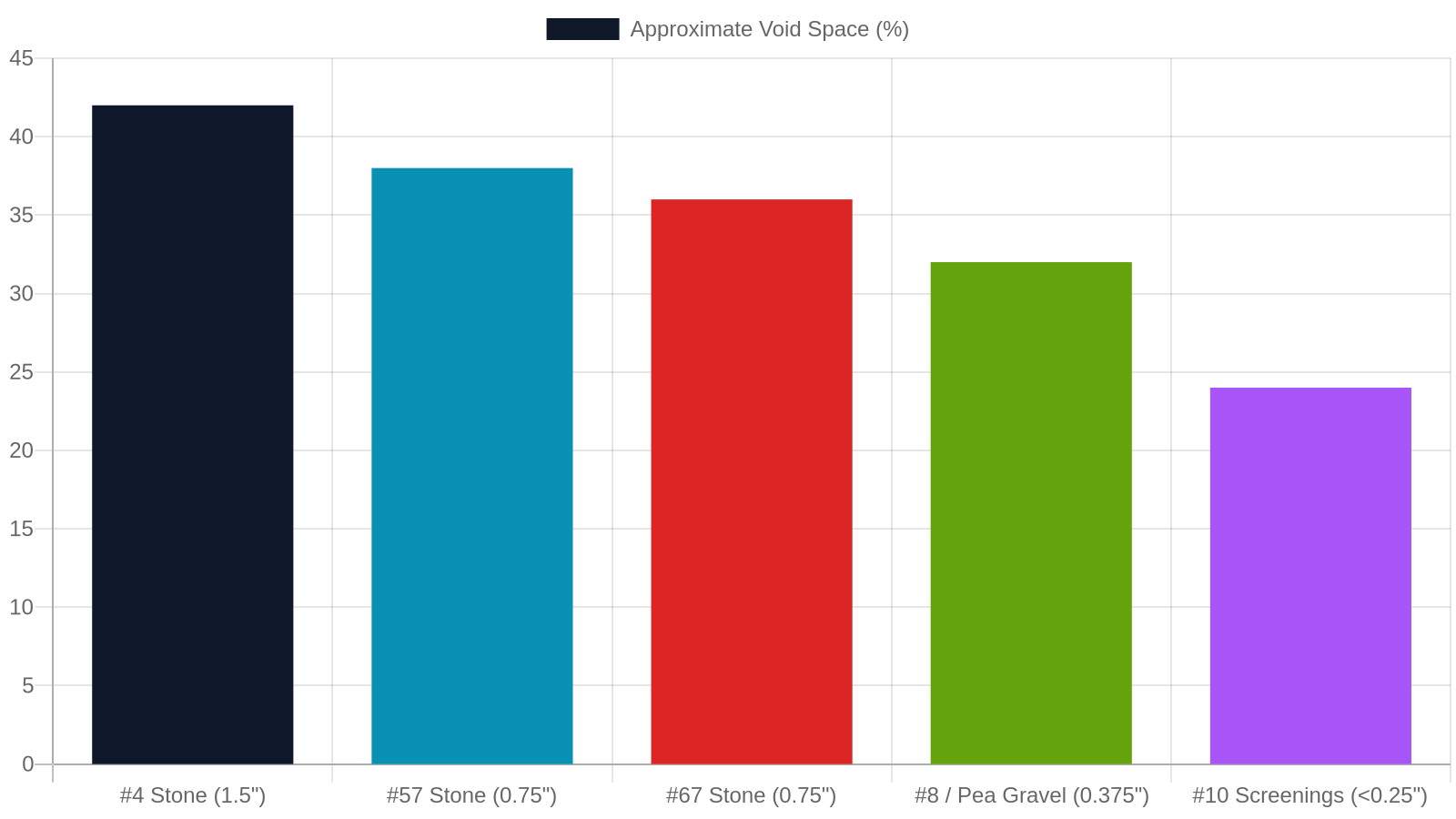
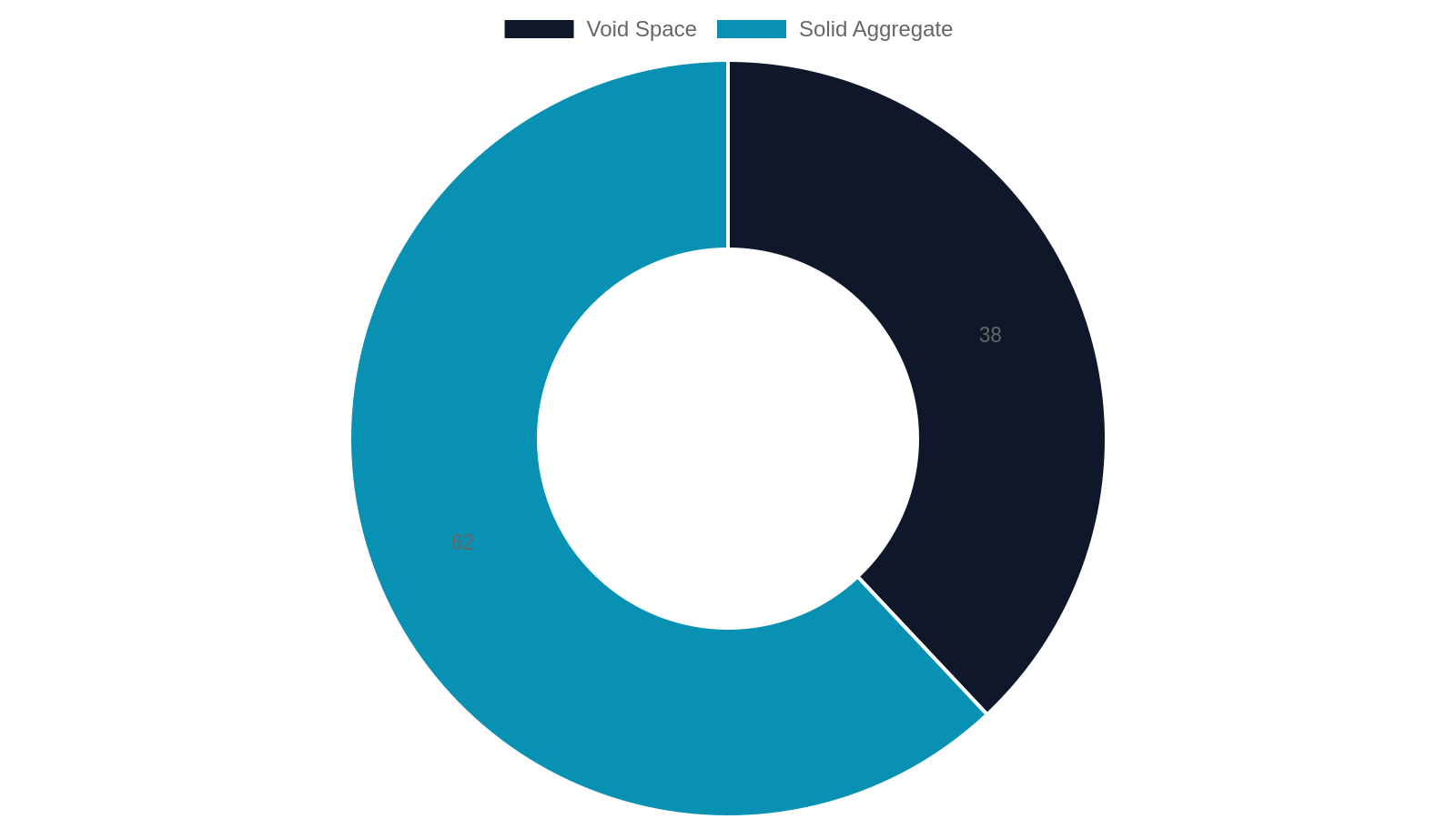
Every piece of aggregate in a drainage basin is surrounded by air — and that air is where the water actually goes. Hydrologists call this void space, and it is expressed as a percentage of total volume. A well-graded crushed stone at ¾ inch retains roughly 35–40% void space, meaning more than a third of the basin volume is available for water storage and percolation. Drop down to a fine sand or crusher dust and that figure can collapse to 25% or less, dramatically reducing how fast the basin can accept and release water.
Aggregate that is too fine also compacts over time under foot traffic, equipment, or freeze-thaw cycles, which progressively chokes the basin. Choosing the right size from day one prevents expensive rehabilitation later.
Flow Rate vs. Structural Integrity: Finding the Balance
Larger aggregate passes water faster — a 2-inch open-graded stone can move water at rates exceeding 200 inches per hour under ideal conditions — but it provides less surface area for fine-particle filtration and can shift under load. Smaller aggregate filters better and stays put, but slows infiltration. Most drainage basin designs land in the ½-inch to 1½-inch sweet spot because it balances all three needs: fast flow, stable structure, and reasonable filtration.
- Too small (under ¼ inch): clogs quickly, poor long-term performance
- Sweet spot (½–1½ inch): best all-around drainage basin aggregate
- Too large (over 2½ inch): fast flow but unstable, poor filtration, hard to compact around pipe
2. A Plain-English Guide to Aggregate Grading Numbers
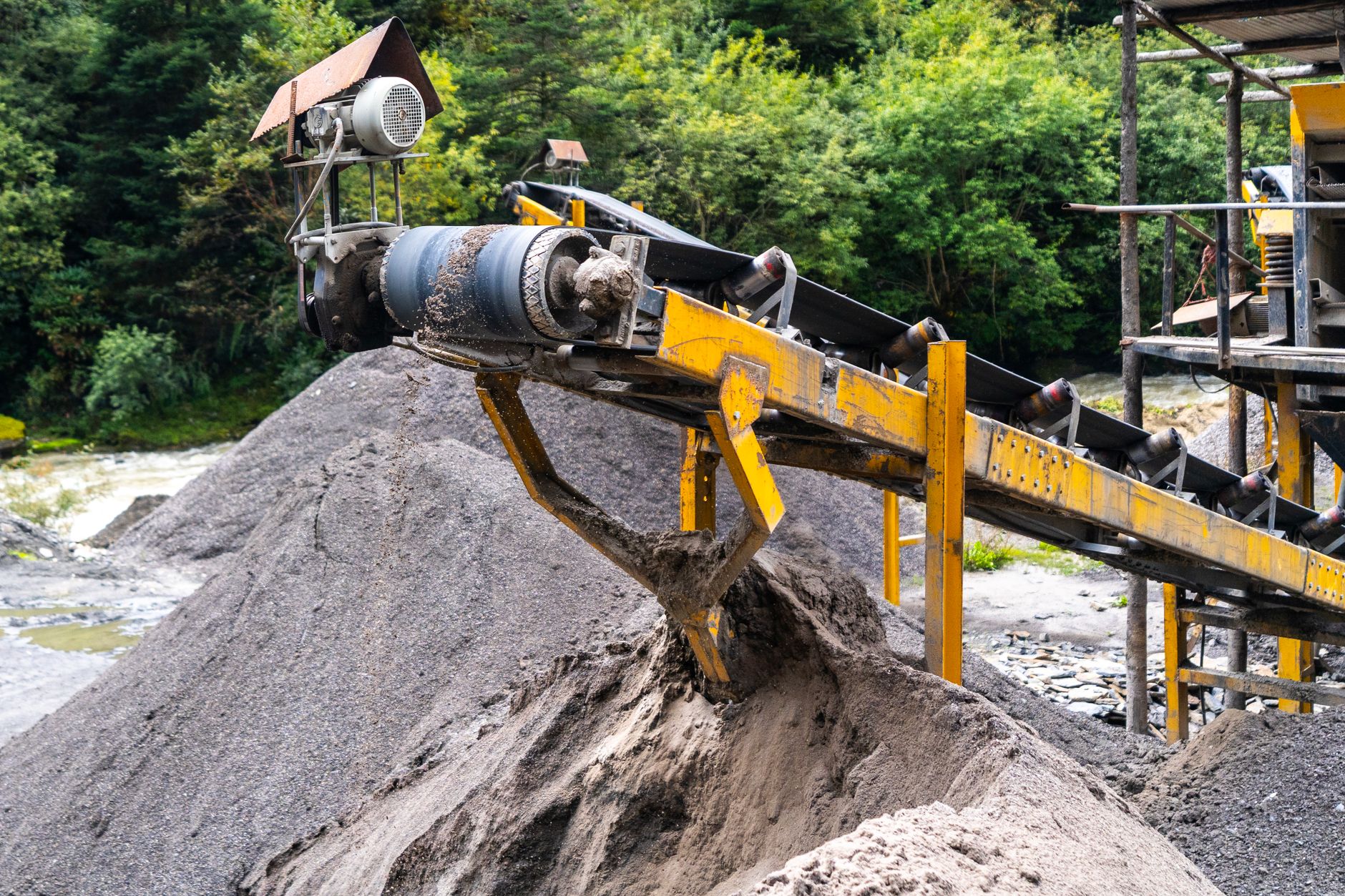
Walk into any quarry or supply yard and you will hear numbers like #57, #67, or #4 thrown around as if everyone knows what they mean. These are standardized grading designations — not brand names — and understanding them is essential before you order aggregate for a drainage basin. Here is a plain-English breakdown of the grades most relevant to drainage work.
AASHTO and ASTM Grading Standards Explained
Aggregate is sold by grading number, not by a simple measurement, which confuses a lot of buyers. The two most common systems are AASHTO (American Association of State Highway and Transportation Officials) and ASTM (American Society for Testing and Materials). Both define a size range — the stone must pass through a larger sieve and be retained on a smaller one — rather than a single diameter.
For drainage basins, the grades you will encounter most often are:
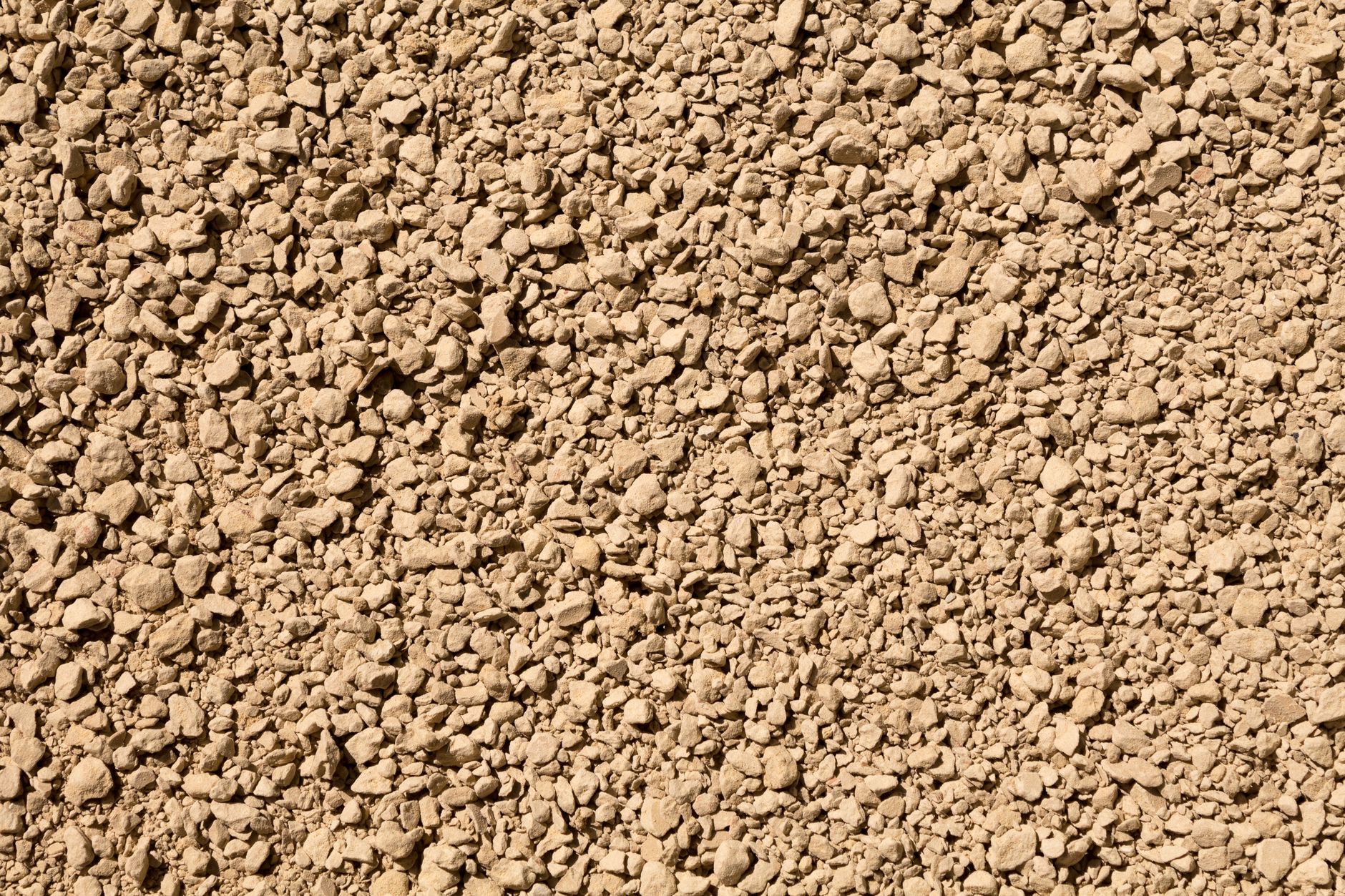
- #57 Stone: ¾ inch nominal, range ⅜–1½ inch — the most widely specified drainage aggregate in the U.S.
- #67 Stone: ¾ inch nominal, slightly narrower gradation than #57 — popular for pipe bedding and basin fill
- #4 Stone: 1½ inch nominal — high-volume or deep basin applications
- #8 Stone / Pea Gravel: ⅜ inch nominal — shallow surface basins, French drains with sock pipe
- #10 Screenings: under ¼ inch — NOT recommended for drainage basins; used as leveling material only
Washed vs. Unwashed: Why It Matters More Than You Think
A grading number only tells you the size range. Whether the stone has been washed — run through water to remove fines, dust, and clay particles — determines whether those voids stay open after installation. Unwashed aggregate can carry enough fines to fill 5–10% of void space on its own, and that percentage grows as rain washes more material into the basin over time.
Always specify clean, washed aggregate for drainage basin applications. Jackson Sand mixes and sources materials on-premises in Jackson, TN, so loads arrive clean and consistent — no clay-coated stone that looks right but drains wrong.
3. Matching Aggregate Size to Your Specific Basin Type
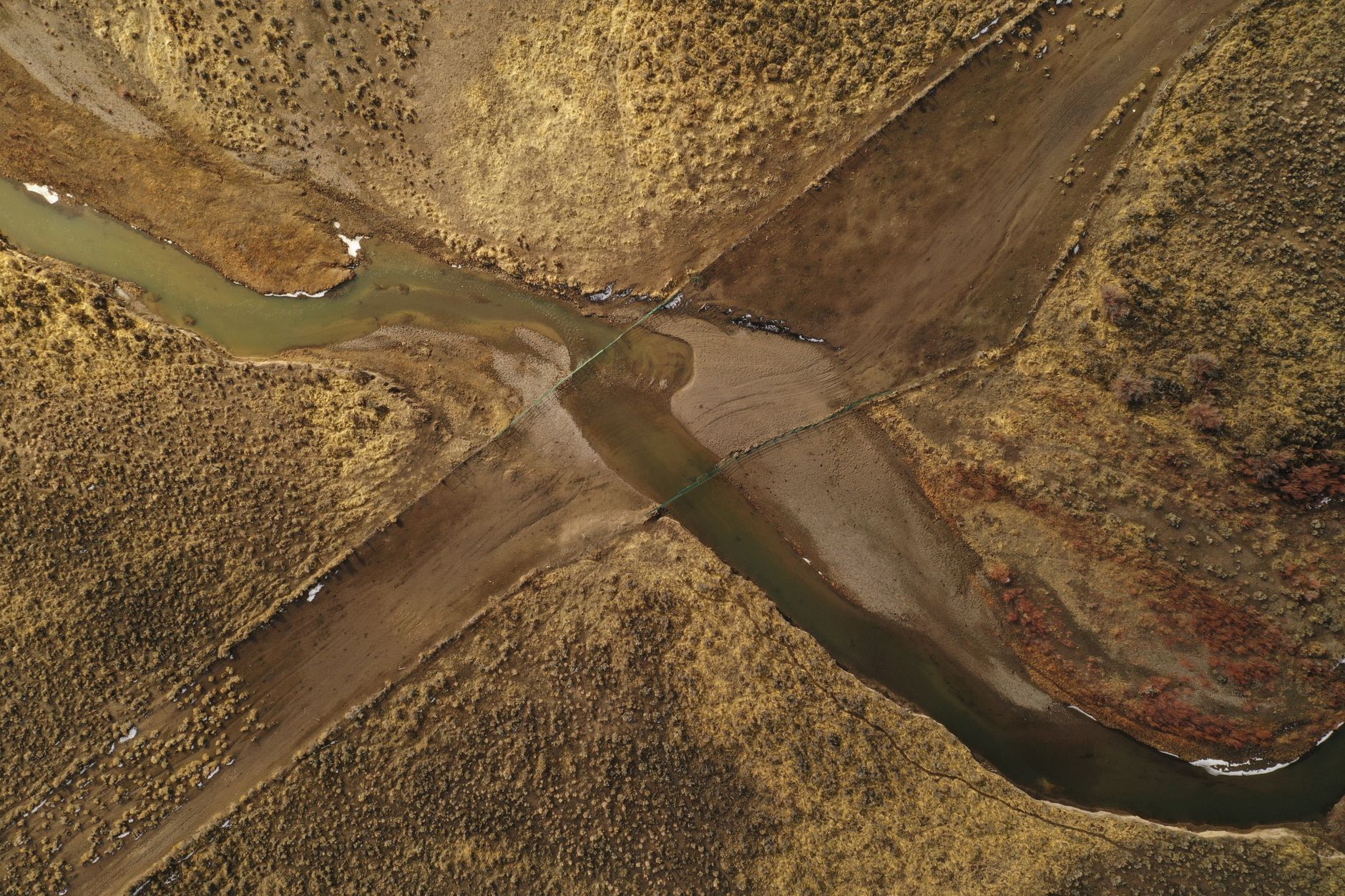
No single aggregate size is universally correct — the right choice depends heavily on what the basin is designed to do. A shallow surface swale on a residential lot has different requirements than a deep infiltration chamber under a football field. Below are the most common basin types and the aggregate grades that perform best in each.
Surface Drainage Basins and Swales
Surface basins — shallow depressions designed to collect and slow sheet flow before it enters a pipe or infiltrates — typically see lower hydraulic pressure than deep infiltration chambers. A ⅜-inch to ¾-inch washed gravel (pea gravel or #57) works well here because it is easy to shape, stays in place on gentle slopes, and still maintains adequate void space. If the basin also functions as a decorative landscape feature, pea gravel’s rounded appearance is an aesthetic plus.
One caution: surface basins in clay-heavy West Tennessee soils should include a non-woven geotextile fabric liner on the sides and bottom to prevent soil migration into the aggregate. Without it, even ¾-inch stone will eventually silt in.
Deep Infiltration Basins and Underground Chambers
Deep basins — typically 3 feet or more — are designed to hold large volumes of stormwater and release it slowly into the subsoil. These applications demand #57 or #4 stone because the aggregate must support the weight of soil and any surface load above it without collapsing the void structure. The larger the stone, the higher the compressive strength of the aggregate matrix.
For basins with perforated pipe at the bottom, #57 stone around the pipe and #4 stone in the upper fill zone is a common two-layer specification. This graduated approach keeps fines from migrating down and clogging the pipe perforations.
Golf Course and Athletic Field Drainage Basins
Turf professionals have an added constraint: the aggregate must drain fast enough to get players back on the field or course quickly after rain, but it also must not create a safety hazard if exposed at the surface. Golf course drainage basins typically specify #57 or #67 washed stone consistent with USGA drainage recommendations. Athletic field basins often use the same grades, though some synthetic turf installations call for a uniformly graded ¾-inch crushed stone to achieve the precise drainage rates required by field certification standards.
4. How Soil Type in West Tennessee Affects Your Aggregate Choice
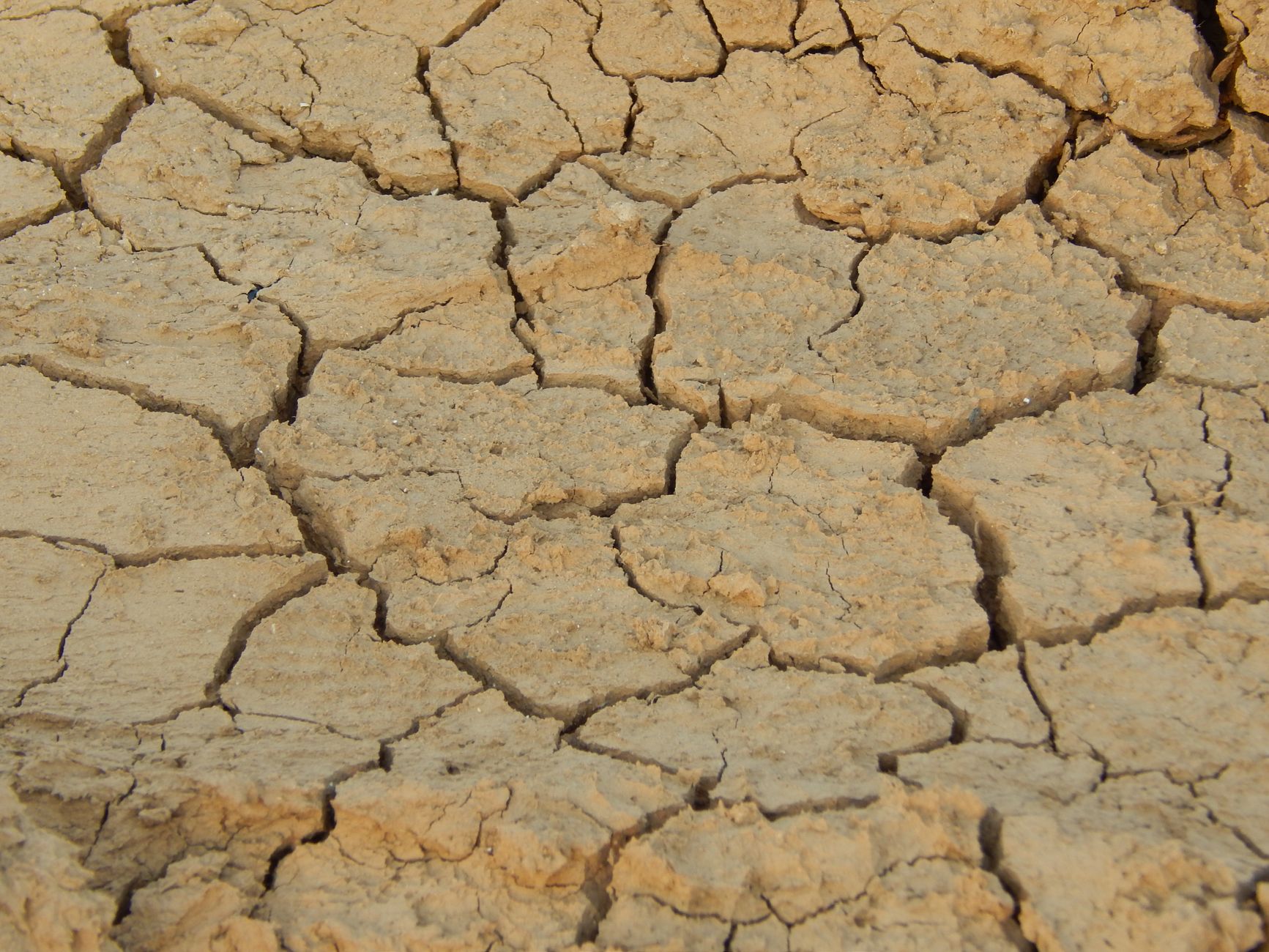
Aggregate selection does not happen in a vacuum — it interacts directly with the native soil beneath and around the basin. West Tennessee’s geology creates some specific challenges that influence which aggregate grades will perform best on your site. Understanding your soil type before you order material can save significant rework costs.
Clay Soils: The Most Common Challenge in the Mid-South
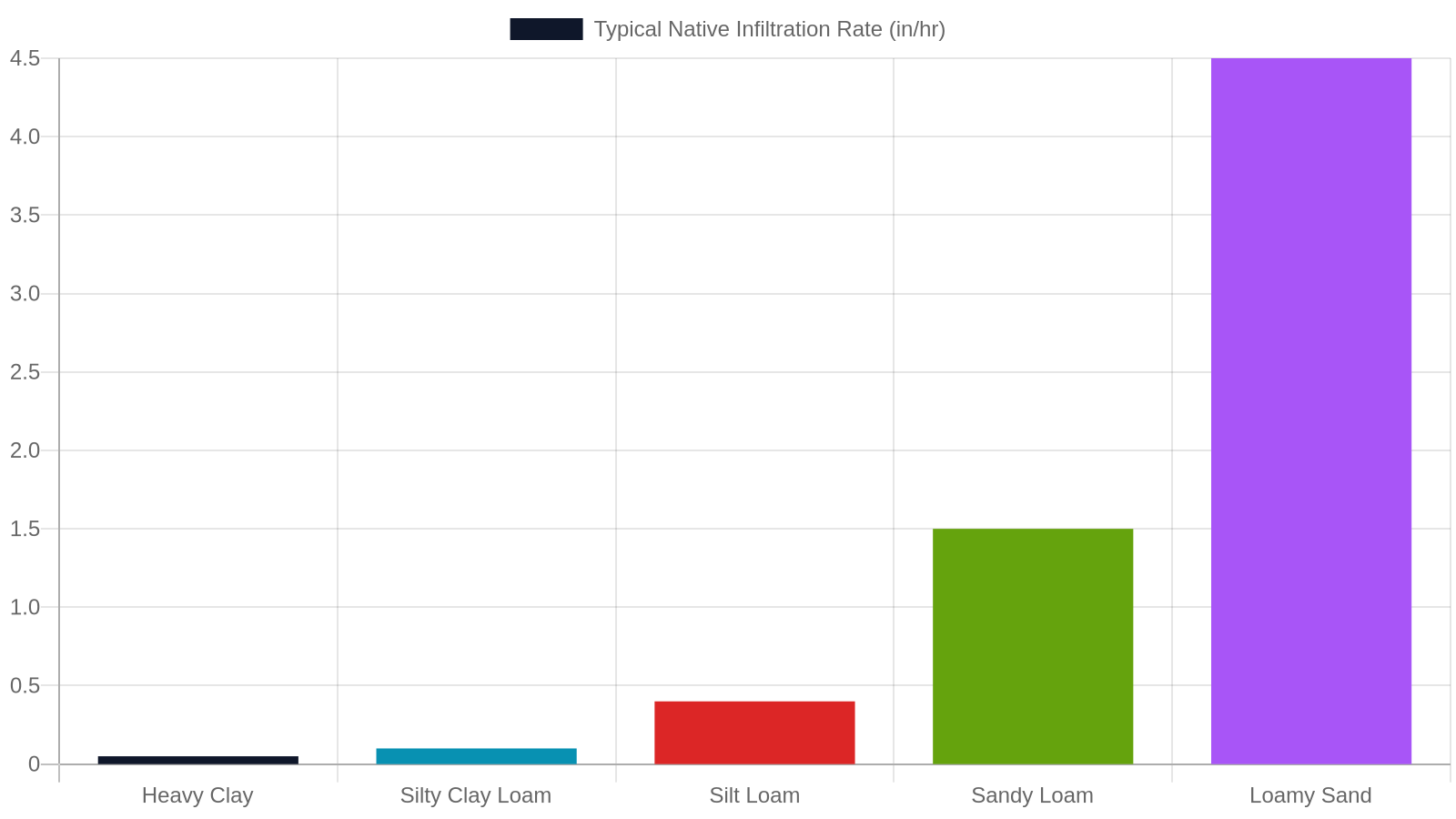
Much of West Tennessee — including the Jackson area — sits on heavy clay or silty-clay soils with native infiltration rates as low as 0.01–0.1 inches per hour. That means even a perfectly designed aggregate basin will drain slowly if it relies solely on subsoil percolation. In these conditions, the aggregate grade matters less than the outlet design: the basin must have a positive outlet (pipe, overflow weir, or daylight outlet) because the soil simply will not absorb water fast enough on its own.
Use #57 or #67 stone to maximize the basin’s temporary storage volume, and size the outlet pipe generously — typically a minimum 4-inch perforated pipe for residential applications and 6-inch or larger for commercial and athletic field projects.
Sandy or Loamy Soils: When Infiltration Is Your Friend
In areas with sandier or loamier subsoils — found in parts of the Mid-South river corridor — native infiltration rates can reach 1–6 inches per hour, making true infiltration basins viable. Here, #4 or #57 open-graded stone lets water move quickly from the aggregate into the surrounding soil. The aggregate’s primary job shifts from storage to filtration: it must prevent sediment from entering the subsoil and clogging the interface over time.
In these applications, a geotextile fabric on the basin bottom is still recommended, but the sides can sometimes be left open to encourage lateral infiltration as well as vertical.
5. The Role of Gradation: Uniformly Graded vs. Well-Graded Aggregate
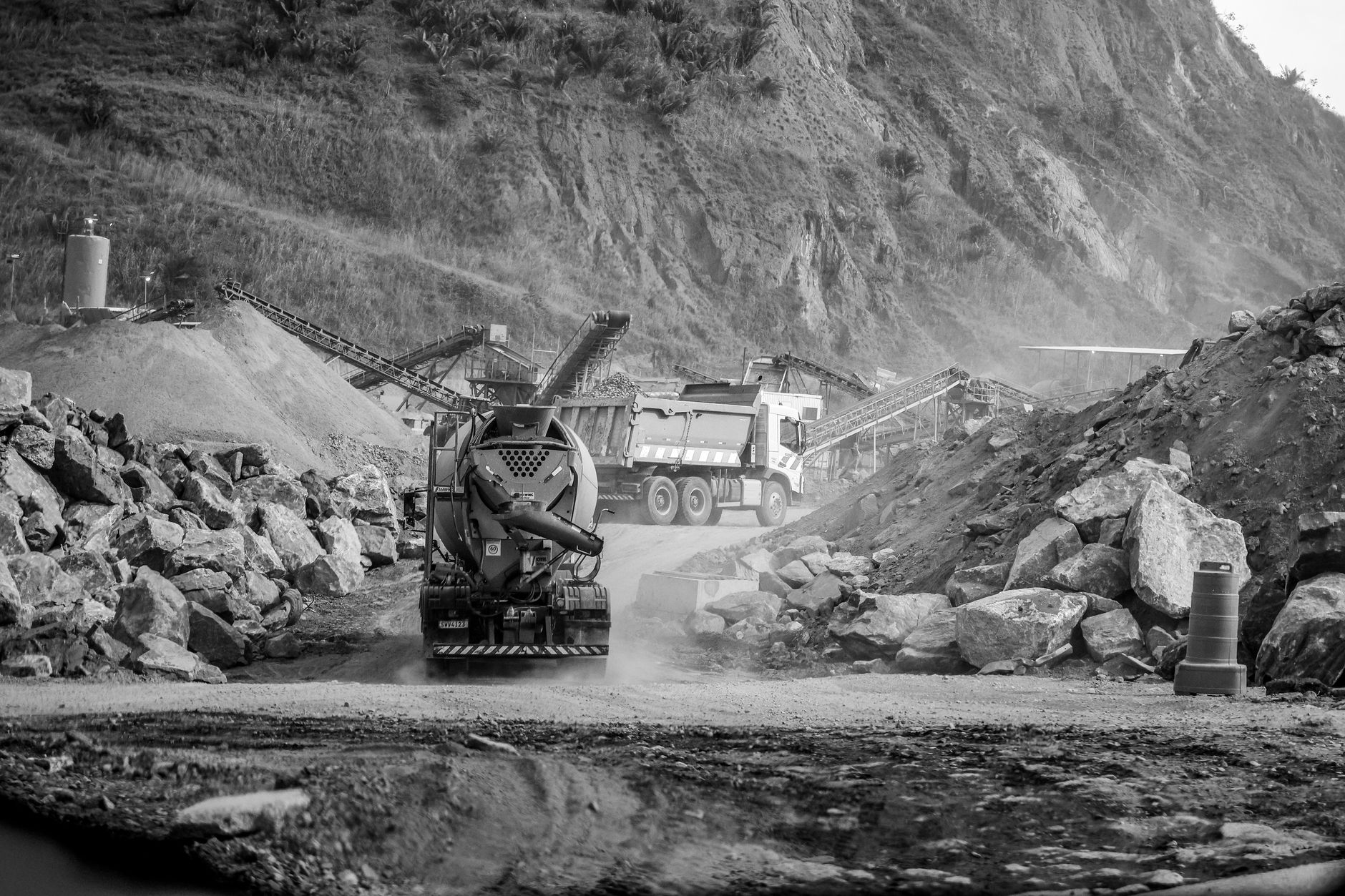
Two aggregates can share the same nominal size but perform completely differently in a drainage basin depending on their gradation — the distribution of particle sizes within the load. Understanding the difference between uniformly graded and well-graded material is one of the most practical things a contractor or facilities manager can learn before specifying drainage aggregate.
Uniformly Graded (Open-Graded) Aggregate
Uniformly graded aggregate — sometimes called open-graded or single-size stone — contains particles all within a narrow size range (e.g., ¾ inch ± ⅛ inch). Because the particles are all similar in size, they cannot nest tightly together, which preserves large, interconnected voids. This is the preferred specification for drainage basins, French drains, and pipe bedding because the void structure stays open even after years of use.
AASHTO #57 and #67 are both uniformly graded specifications. When you order these grades from a reputable supplier, you are getting stone that has been sized to deliver predictable, consistent drainage performance — not a mix of whatever came off the crusher that day.
Well-Graded (Dense-Graded) Aggregate
Well-graded aggregate contains a range of particle sizes specifically chosen so that smaller particles fill the voids between larger ones. This produces a dense, stable matrix ideal for road base, compacted fill, and structural applications — but it is exactly wrong for drainage basins. Dense-graded material can have void space as low as 15–20%, compared to 35–40% for open-graded stone.
A common and costly mistake is ordering crusher run or dense-graded base for a drainage basin because it is cheaper per ton. The short-term savings are wiped out by a basin that barely functions from day one. Always specify open-graded, single-size stone for drainage applications.
6. Aggregate Depth and Layer Design: Getting the Full System Right
Choosing the right aggregate size is only half the equation. How deep you install it — and whether you use a single layer or multiple graduated layers — determines how much water the basin can hold and how quickly it drains. Here are practical depth and layering guidelines for the most common drainage basin applications in West Tennessee.
Minimum Depth Recommendations by Application
Aggregate depth is just as important as aggregate size. A correctly sized stone installed at inadequate depth will not provide enough temporary storage to handle design storm events. General minimum depth guidelines for drainage basins:
- Residential surface basin: 12–18 inches of aggregate below the outlet pipe invert
- Commercial or athletic field basin: 24–36 inches, often with a perforated pipe at the base
- Golf course catch basin: 18–24 inches, consistent with USGA recommendations for surrounding drainage infrastructure
- Underground infiltration chamber: 36–60 inches depending on design storm volume
These are starting points — a licensed civil engineer or drainage contractor should size the basin for your specific drainage area and storm return period.
Layering Strategies for Multi-Zone Basins
Many high-performance drainage basins use a two- or three-layer aggregate system rather than a single uniform fill. A typical layered design for a deep basin might look like this from bottom to top:
- Bottom layer (12 in): #4 stone (1½ inch) — maximum void space and flow capacity around the perforated outlet pipe
- Middle layer (12 in): #57 stone (¾ inch) — transition zone, structural support
- Top layer (6 in): #8 or pea gravel (⅜ inch) — fine filtration, prevents surface soil from migrating into coarser layers below
This inverted filter design — coarser at the bottom, finer at the top — is standard practice in civil engineering and is especially effective in the clay-heavy soils common across West Tennessee.
7. Geotextile Fabric and Aggregate: A Partnership, Not an Option
Even the best aggregate specification fails prematurely without proper geotextile installation. In West Tennessee’s clay-dominant soils, fine particles migrate into aggregate voids under the hydraulic pressure of every rain event — silently reducing drainage capacity year after year. Geotextile fabric is the low-cost insurance policy that protects your aggregate investment.
What Geotextile Does (and Doesn't) Do
Geotextile fabric is not a substitute for correctly sized aggregate — it is a companion product that protects the aggregate’s void space over time. A non-woven needle-punched geotextile (typically 4–6 oz/sq yd for drainage applications) placed between the native soil and the aggregate prevents fine soil particles from migrating into the stone under hydraulic pressure. Without it, even a perfectly specified #57 stone basin can lose 50% of its drainage capacity within 3–5 years in clay-heavy soils.
Geotextile does not meaningfully restrict water flow — a quality non-woven fabric has a flow rate of 10–40 gallons per minute per square foot, far exceeding the infiltration capacity of the surrounding soil in most West Tennessee applications.
Correct Installation: Wrapping vs. Lining
There are two common geotextile configurations for drainage basins:
- Full wrap (burrito wrap): the fabric lines all sides and the bottom of the excavation, then folds back over the top of the aggregate before the final soil cover is placed. This completely encapsulates the aggregate and provides maximum protection against soil intrusion.
- Bottom and side lining only: the fabric lines the basin but does not fold over the top. Easier to install and adequate when the top of the aggregate is covered by a stable surface (turf, pavers, or a grate).
For most residential and light commercial applications in West Tennessee, a full wrap with a 4–6 oz non-woven fabric and #57 stone fill is the most reliable and cost-effective combination.
8. Aggregate for Drainage Basins vs. Other Drainage Applications: Key Differences
Drainage aggregate is not one-size-fits-all, even within the broader category of drainage work. The same #57 stone that excels in a deep infiltration basin may be the wrong choice for a slope stabilization project or a narrow French drain trench. Understanding how basin aggregate differs from other drainage aggregate helps you order the right product the first time.
French Drains and Trench Drains
French drains use aggregate to surround a perforated pipe that carries water laterally away from a problem area. The aggregate spec is similar to a drainage basin — #57 or pea gravel with a geotextile sock on the pipe — but the geometry is different: long and narrow rather than wide and deep. Because French drain aggregate is under less compressive load than basin fill, pea gravel (⅜ inch) is more commonly used here than in deep basins, and it is easier to work into a narrow trench.
Seepage Drainage and Subsurface Drainage Fields
Seepage drainage systems — designed to move water laterally through the soil profile rather than collect it in a basin — typically use a coarser aggregate (¾ inch to 1½ inch) in a continuous trench or field. The goal is maximum lateral flow, so void space and hydraulic conductivity take priority over filtration. These systems are common on golf courses and athletic fields where the entire root zone must drain uniformly, not just at a single collection point. Jackson Sand supplies aggregate for both basin and seepage drainage applications — the right product depends on your system design.
Surface Drainage and Slope Applications
Surface drainage aggregate — used in swales, check dams, and slope stabilization — faces a different challenge: it must stay in place under flowing water rather than simply allowing water to percolate through it. Here, larger, angular stone (1½–3 inch rip-rap or #4 stone) is often preferred because angular particles interlock and resist displacement. Rounded pea gravel, while excellent in a static basin, will roll and migrate on a slope under flow velocity.
Drainage Basin Aggregate at a Glance: 5-Grade Comparison
Use this table to quickly match your basin application to the right aggregate grade. All grades should be specified as clean, washed, open-graded stone.
9. How to Calculate How Much Aggregate You Need
Ordering the right amount of aggregate is just as important as ordering the right type. Too little and you are making a second delivery trip; too much and you are paying for material that sits unused. Here is how to estimate aggregate quantities for a drainage basin — and how to use Jackson Sand’s free tools to double-check your math.
The Basic Volume Formula
Aggregate is sold by the cubic yard, and estimating your needs accurately prevents both costly shortfalls and expensive overages. The basic formula for a rectangular basin is:
Volume (cubic yards) = Length (ft) × Width (ft) × Depth (ft) ÷ 27
For example, a basin 10 feet long, 6 feet wide, and 2 feet deep requires: 10 × 6 × 2 ÷ 27 = 4.4 cubic yards of aggregate. Always add a 10–15% overage factor for settling, waste, and irregular excavation shapes. That same basin should be ordered at 5 cubic yards to be safe.
Using Jackson Sand's Free Yardage Calculator
If you are not comfortable doing the math manually — or if your basin has an irregular shape — Jackson Sand provides a free online yardage calculator at jacksonsand.com/yardage-calculator. Enter your dimensions and it calculates the cubic yards you need automatically. This is especially useful for multi-zone basins with different aggregate layers, since you can run separate calculations for each layer and add them together.
For large or complex projects, call 731-668-0440 and a Jackson Sand team member can help you work through the quantities before you commit to an order.
10. Reading a Sand and Aggregate Spec Sheet Before You Buy
Ordering by grade number alone — “give me a load of #57” — works fine for most projects. But for engineered drainage systems, athletic field certifications, or golf course work where performance specifications are written into the project documents, you need to verify that the aggregate you receive actually meets those specifications. That is what a spec sheet is for.
What a Lab-Tested Spec Sheet Tells You
A reputable aggregate supplier will provide a lab-tested specification sheet for each product, showing the gradation curve (what percentage of material passes each standard sieve size), the percentage of fines (material passing the #200 sieve), and sometimes the LA abrasion value (a measure of how much the stone breaks down under traffic). For drainage basin aggregate, the key numbers to check are:
- Percent passing #200 sieve: should be under 3% for clean drainage aggregate — higher means too many fines
- Gradation: confirm the material falls within the AASHTO or ASTM specification for the grade you ordered
- Absorption: lower absorption values indicate harder, less porous stone that resists breakdown over time
Jackson Sand's Published Spec Sheets
Jackson Sand publishes lab-tested specification sheets for its products at jacksonsand.com/sand-specs. Reviewing these before you order lets you confirm that the aggregate meets your project’s design requirements — whether those requirements come from a civil engineer’s drawings, a USGA specification for golf course drainage, or an athletic field certification standard. If you have specific gradation requirements from a design professional, share them with the Jackson Sand team before ordering so they can confirm the right product match.
11. Common Mistakes That Ruin Drainage Basin Performance
Even experienced contractors make predictable mistakes when specifying and installing drainage basins. Knowing what goes wrong most often — and why — helps you avoid the expensive rework that follows. Here are the three most common aggregate-related drainage basin failures seen across West Tennessee job sites.
Using the Wrong Aggregate Type
The single most common drainage basin failure in West Tennessee is filling the basin with dense-graded crusher run or road base because it was on-site or cheaper. As discussed in Section 5, dense-graded material has 15–20% void space versus 35–40% for open-graded stone. A basin filled with crusher run may hold only half the water volume of the same basin filled with #57 stone — and it will compact further over time, making performance worse every year.
Skipping the Geotextile Liner
In clay soils, skipping the geotextile liner is a slow-motion failure. The basin looks fine for the first year or two, then gradually loses capacity as clay particles migrate into the aggregate voids. By year 5, a basin without fabric in heavy clay soil may be operating at 30–40% of its original capacity. The cost of geotextile fabric — typically $0.15–$0.40 per square foot — is trivial compared to the cost of excavating and replacing clogged aggregate.
Undersizing the Basin for the Drainage Area
A correctly specified aggregate in an undersized basin still fails — it just fails during every significant rain event instead of gradually. Basin sizing is a hydraulic calculation based on the drainage area, design storm intensity, and soil infiltration rate. For projects in Jackson and West Tennessee, the 10-year, 24-hour storm event is a common design standard for residential drainage and the 25- or 100-year event for commercial and athletic field infrastructure. If you are unsure about sizing, consult a licensed civil engineer before excavating.
Ready to Order Drainage Aggregate in West Tennessee?
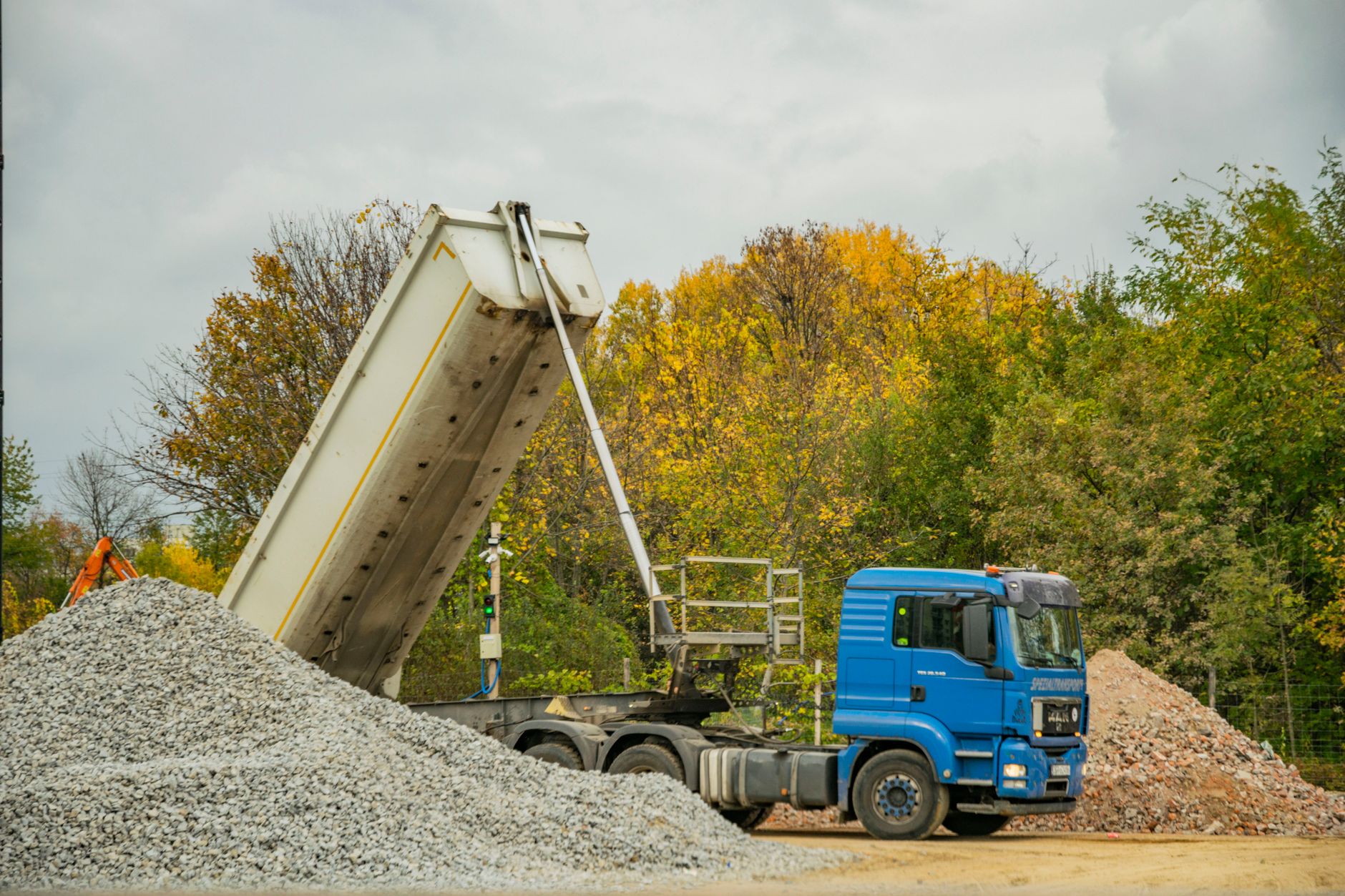
You now have a solid foundation for specifying drainage basin aggregate: the right grade, the right gradation, the right depth, and the right companion materials. The next step is getting the right material delivered to your site in Jackson or anywhere across West Tennessee. Jackson Sand makes that part straightforward.
What to Have Ready When You Call
To get an accurate quote from Jackson Sand, it helps to have a few pieces of information ready before you call:
- Basin dimensions: length, width, and depth (or use the free yardage calculator to convert to cubic yards first)
- Application type: residential surface basin, athletic field, golf course, commercial site — this helps the team recommend the right aggregate grade
- Soil type if known: heavy clay, sandy loam, etc.
- Any spec sheet requirements: if an engineer or certification standard requires a specific gradation, have that document handy
Jackson Sand mixes aggregate on-premises in Jackson, TN, loads it in their own trucks, and delivers throughout West Tennessee and the surrounding Mid-South. Delivery is included, and loads are clean and accurate — no mixed-in fines from a shared conveyor.
Get the Right Aggregate for Your Basin
Whether you are a golf course superintendent specifying drainage aggregate for a new catch basin, a parks department manager rebuilding a waterlogged athletic field, a contractor on a commercial site-work job, or a homeowner in Jackson tired of standing water in your yard — Jackson Sand has the right aggregate and the knowledge to back it up.
Explore the full range of drainage basin aggregate options at Jackson Sand to see product details, available grades, and how to request a quote. For questions about particle size, gradation specs, or how much material your project needs, call the team directly at 731-668-0440. Jackson Sand has been supplying West Tennessee with quality aggregate for years — they will help you get it right the first time.
Frequently Asked Questions
What size gravel is best for a drainage basin?
For most drainage basins, AASHTO #57 stone (¾-inch nominal, washed and open-graded) is the best all-around choice. It provides approximately 38% void space, handles most residential and commercial inflow rates, and is widely available. For deeper or higher-volume basins, #4 stone (1½ inch) is preferred. Always avoid dense-graded or crusher-run material in drainage basin applications.
Can I use pea gravel for a drainage basin?
Yes, but only for shallow surface basins or French drains, not for deep infiltration basins. Pea gravel (⅜ inch, #8 grade) has roughly 32% void space and works well in low-load, low-depth applications. For basins deeper than 18 inches or under any vehicle or equipment load, use #57 or #4 stone instead.
How deep should aggregate be in a drainage basin?
Minimum aggregate depth depends on the application: 12–18 inches for residential surface basins, 24–36 inches for commercial or athletic field basins, and 36–60 inches for deep underground infiltration chambers. These are minimums — a licensed engineer should size the basin based on your specific drainage area and design storm requirements.
Do I need geotextile fabric with drainage basin aggregate?
Yes, especially in clay-heavy soils like those common in West Tennessee. A non-woven geotextile fabric (4–6 oz/sq yd) placed between the native soil and the aggregate prevents fine particles from migrating into the stone and clogging the void space over time. Skipping the fabric in clay soil can reduce basin capacity by 50% or more within five years.
What is the difference between #57 and #67 stone for drainage?
#57 and #67 stone are both ¾-inch nominal washed aggregate, but #67 has a slightly narrower gradation — meaning the particles are more uniformly sized. Both perform well in drainage basins. #57 is more widely available and is the default choice for most applications; #67 is sometimes specified for pipe bedding or projects where a tighter gradation is required by design documents.
Does Jackson Sand deliver drainage aggregate in West Tennessee?
Yes. Jackson Sand delivers drainage aggregate — including #57 stone, #67 stone, and other grades — throughout West Tennessee and the surrounding Mid-South from their facility at 139 United Dr., Jackson, TN. Delivery is included. Call 731-668-0440 to discuss your project and get a quote.