

Where to Find USGA Sand Spec Sheets in West Tennessee: Your Complete Guide
Quick answer: USGA sand spec sheets document the particle-size distribution, infiltration rate, and physical properties a sand must meet for use in golf course putting greens, bunkers, and athletic fields. In West Tennessee, the most direct way to get lab-tested USGA-compliant spec sheets is to request them from a local supplier like Jackson Sand, which mixes sand on its own premises and publishes its specs online. You can download Jackson Sand's spec sheets at jacksonsand.com/sand-specs/ and use their free yardage calculator to estimate how much you need before you order.
1. What a USGA Sand Spec Sheet Actually Tells You
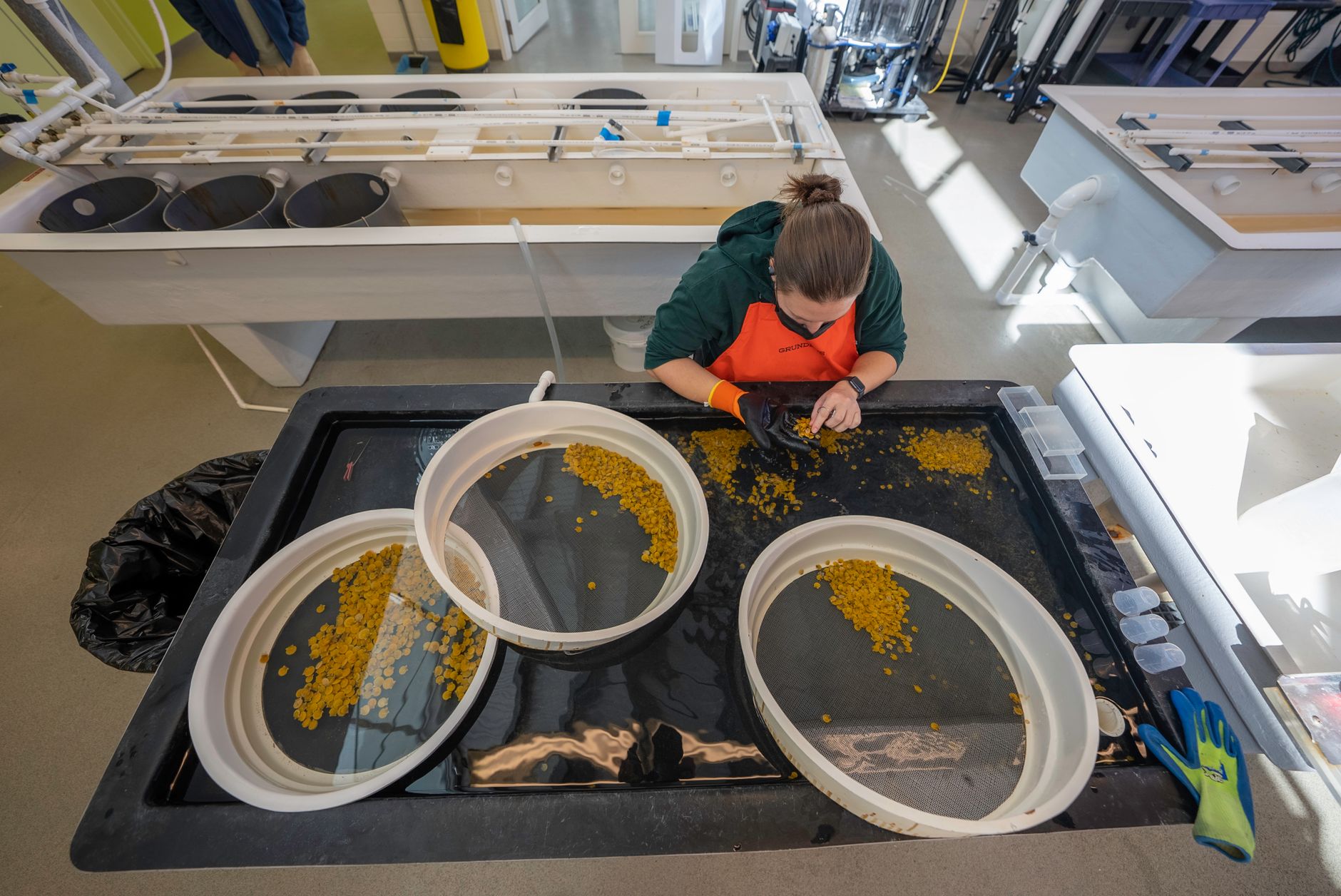
Before you can find a USGA sand spec sheet, it helps to know exactly what you’re looking at when one lands in your inbox. A spec sheet is not a marketing brochure — it is a laboratory-generated document that reports measurable physical properties of a specific sand product. The United States Golf Association publishes construction guidelines that define acceptable ranges for each property, and a compliant spec sheet shows whether a given sand falls inside those ranges.
Particle-Size Distribution: The Core of the Spec
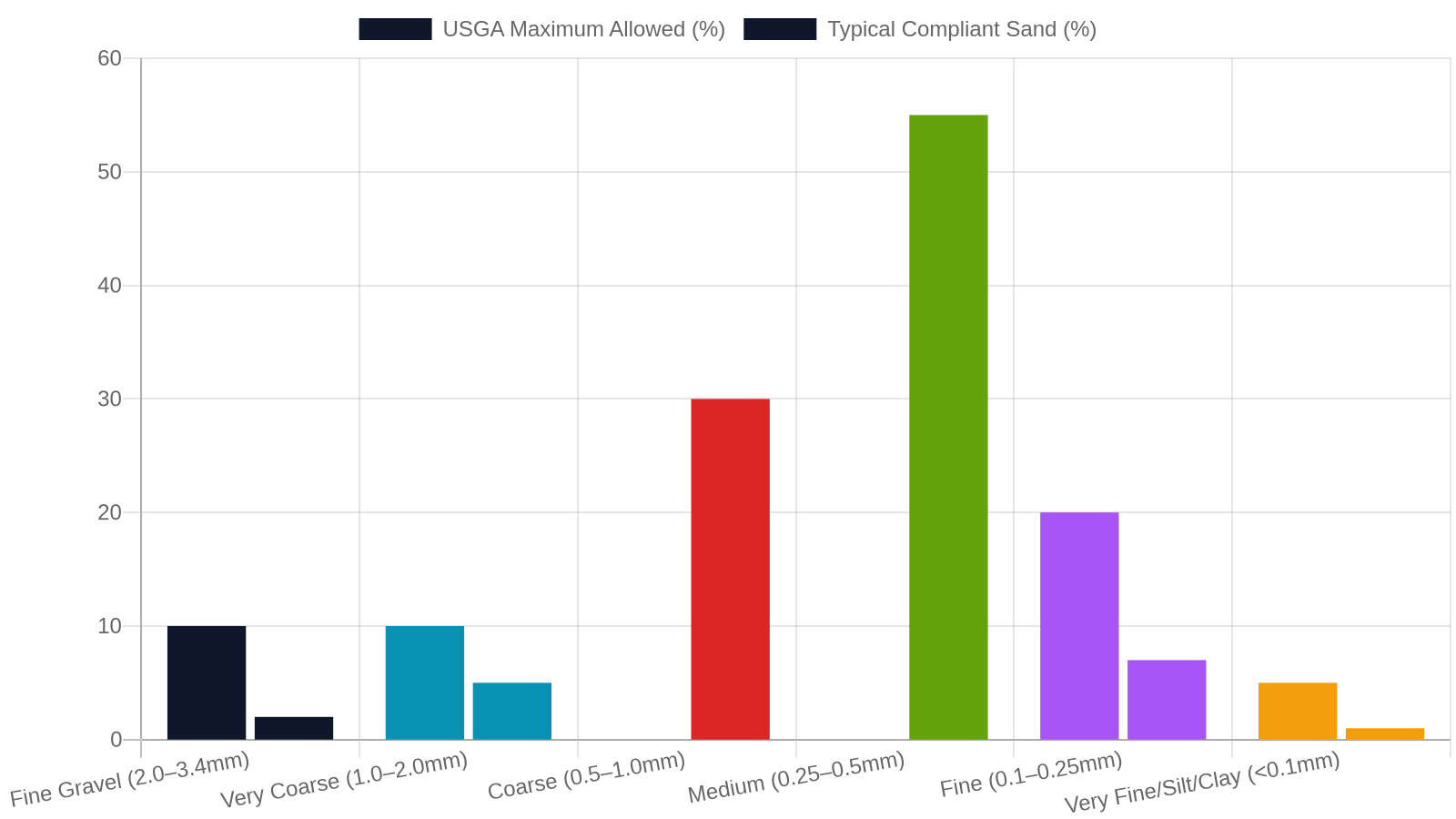
A USGA sand spec sheet is essentially a laboratory report. Its most important section is the particle-size distribution — a breakdown of what percentage of sand grains fall into each size class when the sample is run through a series of standardized sieves. The USGA Method for Putting Green Construction (revised 2004) defines six size classes measured in millimeters:
- Fine gravel (2.0–3.4 mm): must be ≤ 10%
- Very coarse sand (1.0–2.0 mm): must be ≤ 10%
- Coarse sand (0.5–1.0 mm): no individual limit, but combined with medium sand this range drives drainage
- Medium sand (0.25–0.5 mm): the preferred dominant fraction
- Fine sand (0.1–0.25 mm): must be ≤ 20%
- Very fine sand, silt, and clay (below 0.1 mm): must be ≤ 5% combined
Getting these proportions right is not cosmetic. Too much fine material causes compaction and poor drainage; too much coarse material creates an unstable surface that won’t hold a root zone.
Hydraulic Conductivity: How Fast Water Moves Through
The second critical number on any USGA spec sheet is saturated hydraulic conductivity, commonly called the infiltration rate or percolation rate. The USGA recommends a target range of 6 to 24 inches per hour for putting green root-zone mixes, with 12 inches per hour often cited as an ideal midpoint. Bunker sand tolerates a wider range but still benefits from documented conductivity so superintendents can predict how quickly a bunker drains after a heavy rain event — an increasingly important factor across the Mid-South, where summer thunderstorms can drop 2–3 inches in under an hour.
Hydraulic conductivity is measured in a lab using a constant-head or falling-head permeameter on a compacted sample. The result is printed directly on the spec sheet, giving you a defensible number to share with a golf committee, a school athletic director, or a general contractor who needs to meet project specifications.
Additional Physical Properties Reported on Spec Sheets
Beyond particle size and drainage, a complete spec sheet may also report:
- Organic matter content — should be near 0% for pure sand; elevated organics signal contamination
- Bulk density — affects how the sand compacts under foot traffic and equipment
- Total porosity and air-filled porosity — important for root-zone oxygen levels
- Uniformity coefficient — a single number (D60/D10) that describes how evenly graded the sand is; USGA recommends ≤ 2.5 for putting green sand
Not every supplier provides all of these values, which is one reason it pays to work with a supplier who invests in proper lab testing rather than simply claiming their product is “USGA-approved” without documentation.
2. Why USGA Compliance Matters for West Tennessee Courses and Fields
You might wonder whether USGA guidelines — originally written for elite golf course construction — really apply to a municipal park in Madison County or a high school baseball field in Henderson. The short answer is: the guidelines may not be mandatory, but the physics behind them absolutely apply everywhere. Drainage, compaction resistance, and surface stability are not exclusive concerns of championship golf.
Climate Pressures in the Mid-South
West Tennessee sits in a climate zone that puts turf under stress from multiple directions. Summers regularly push past 95°F with high humidity, creating ideal conditions for Pythium and other root-zone pathogens that thrive in poorly drained, oxygen-starved soils. Winters bring freeze-thaw cycles that can heave an improperly constructed green. Annual rainfall in the Jackson area averages around 54 inches per year, much of it falling in intense spring and summer events. A sand that drains at 12 inches per hour handles a 1-inch-per-hour rain event with ease; a sand draining at only 2 inches per hour floods a putting surface in minutes and stays wet for hours.
Choosing a USGA-spec sand is not bureaucratic box-checking — it is the practical answer to real Mid-South weather patterns.
Liability and Documentation for Athletic Fields
For school districts, parks and recreation departments, and colleges managing athletic fields in West Tennessee, spec sheets serve a second purpose: documentation. When a field renovation is funded through a capital budget or a grant, procurement officers and auditors often require proof that materials met a stated specification. A lab-tested spec sheet is that proof. It protects the turf manager who specified the sand, the contractor who installed it, and the institution that paid for it.
The same logic applies to drainage aggregate. If a contractor installs a French drain or a drainage basin and the aggregate is not properly graded, water backs up, the field floods, and someone has to answer for it. A spec sheet on file makes accountability straightforward.
Resale Value and Tournament Readiness for Golf Courses
Golf courses that host tournaments — even local or regional amateur events — are increasingly asked by organizing bodies to document playing surface standards. Bunker sand that meets USGA particle-size guidelines produces consistent playability: balls don’t bury unpredictably, raking is uniform, and drainage is reliable. Superintendents who can hand an auditor or a tournament director a current spec sheet for their bunker sand are simply better positioned than those who cannot. In a competitive market for rounds and events, that documentation is a quiet but real advantage.
3. Where USGA Sand Spec Sheets Come From

Understanding where spec sheets come from helps you evaluate whether the document you’re holding is credible. Not all spec sheets are created equal — a one-page marketing sheet that says “meets USGA standards” without showing actual sieve data is not a spec sheet. A real spec sheet shows the lab name, the test date, the sample identification, and numerical results for each sieve fraction.
Independent Soil and Aggregate Laboratories
The spec sheet originates in an accredited laboratory. A sample of the sand — typically 500 grams to 1 kilogram — is dried, weighed, and run through a nest of sieves that conform to ASTM E11 standards. The retained weight on each sieve is recorded and converted to a percentage of the total sample. Hydraulic conductivity is measured separately on a compacted column of the sand. The lab then compares results against USGA guidelines and issues a report. Turnaround time at most commercial labs is 5 to 15 business days. Common labs used in the southeastern U.S. include university extension soil labs and private geotechnical testing firms.
Sand Suppliers Who Test Their Own Products
Reputable suppliers don’t wait for customers to ask for spec sheets — they test their products proactively and keep current results on file. This matters because sand is not a perfectly uniform natural material. A quarry or processing plant that mixes and grades sand on its own premises can control consistency batch to batch; a supplier who simply resells material from multiple sources may have more variability. When a supplier publishes spec sheets, it signals that they have enough confidence in their product’s consistency to put the numbers in writing.
Jackson Sand mixes sand on its own premises in Jackson, TN, which gives them direct control over the finished product — and makes their published spec sheets meaningful rather than aspirational.
The USGA Turfgrass Research Program
The USGA itself does not supply sand or issue spec sheets for individual products. What the USGA provides is the framework: published guidelines, research papers, and — through its Green Section — agronomic consulting services to member clubs. If your course is a USGA member and you’re planning a green renovation, a USGA agronomist can review your project and may recommend specific sand characteristics for your region. That recommendation, combined with a lab spec sheet from your supplier, gives you a very defensible paper trail. For courses and fields that don’t have a USGA consulting relationship, working with a local supplier who already has lab-tested specs on file is the practical equivalent.
4. How to Read a Sand Spec Sheet: A Step-by-Step Walkthrough

Once you have a spec sheet in hand, knowing how to interpret it quickly is a practical skill for any superintendent, field manager, or contractor. You don’t need a soil science degree — you need to know which three or four numbers matter most and what ranges they should fall in.
Step 1 — Verify the Lab and Sample Date
The first thing to check is the issuing laboratory’s name and accreditation, and the date the sample was collected. Sand specifications can drift if a quarry changes its processing or if a supplier switches source material. A spec sheet that is more than 12–18 months old should prompt you to ask for a more recent test. For major construction projects — new greens, full bunker renovations — request a spec sheet dated within the same calendar year as your project.
Step 2 — Check the Sieve Data Against USGA Limits
Look for a table or chart showing percent retained or percent passing for each sieve size. Convert to percent retained if the sheet shows cumulative percent passing. Then compare each fraction against the USGA limits listed in Section 1 of this article. Pay particular attention to the fine sand fraction (0.1–0.25 mm) and the combined very fine/silt/clay fraction (below 0.1 mm) — these are the values most likely to be out of range in lower-quality sands, and they are the values most responsible for drainage problems over time.
Step 3 — Confirm Hydraulic Conductivity
Find the hydraulic conductivity number, usually reported in inches per hour (in/hr) or centimeters per hour (cm/hr). For putting greens, the USGA target is 6–24 in/hr. For bunker sand used in a drainage-lined bunker, the acceptable range is broader, but you still want a number that reflects good drainage. If the spec sheet does not include hydraulic conductivity, ask the supplier whether it was tested. A supplier who tests particle size but not conductivity is giving you an incomplete picture.
For athletic field sand used in a sand-cap or drain-tile system, many sports turf managers target a similar range — 10–20 in/hr — to handle heavy rain events without surface ponding.
5. Types of Sand Jackson Sand Supplies — and Their Spec Differences

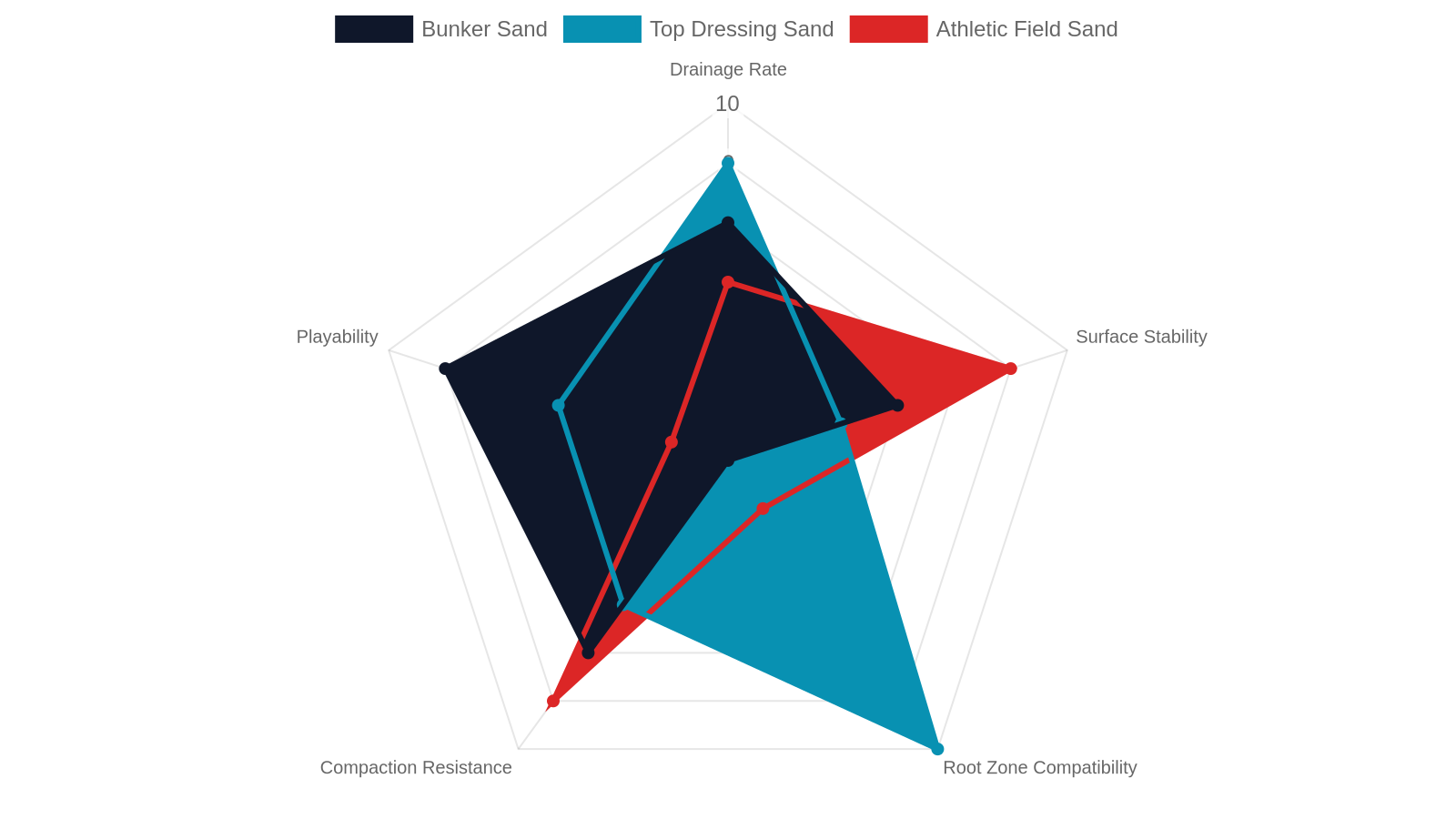
Not all sand is the same — and not all spec sheets cover the same properties. The right spec sheet for your project depends on which product you’re ordering and how it will be used. Jackson Sand supplies several distinct sand and aggregate products, each with its own specification profile.
Bunker Sand
Bunker sand is engineered for playability and drainage, not for plant growth. The USGA’s bunker sand guidelines focus on particle size, resistance to crusting, and color. A good bunker sand is predominantly medium-to-coarse grained, resists compaction from rain impact, and has enough angularity to stay in place on steep bunker faces without washing to the bottom. Jackson Sand’s bunker sand is mixed on-premises to consistent specifications, and the published spec sheet documents the particle-size distribution so superintendents can verify compliance before the first truck rolls.
Top Dressing Sand
Top dressing sand for putting greens must match — or very closely match — the particle-size distribution of the existing root-zone mix. Introducing a finer or coarser sand as a top dressing creates a layering problem that disrupts water movement through the profile and can produce a perched water table just below the surface. This is one of the most common and costly mistakes in putting green maintenance. The spec sheet for top dressing sand should be compared directly against the original root-zone mix spec (if available) or against a current core sample analysis. Jackson Sand’s top dressing sand and services are designed with this compatibility requirement in mind.
Athletic Field Sand and Drainage Aggregate
Athletic field sand used in a sand-based field or as a sand cap over native soil is typically coarser than putting green sand, prioritizing stability and load-bearing capacity under cleated footwear and heavy equipment. Drainage aggregate — the gravel used in French drains, drainage basins, and seepage systems — is governed by different specifications entirely, focusing on void space and flow rate rather than surface playability. Jackson Sand supplies both, and the appropriate spec sheet differs by application. Always confirm with your supplier which spec sheet applies to which product.
6. Where to Find USGA Sand Spec Sheets in West Tennessee

Now for the practical answer to the question this article is built around: where, specifically, can someone in West Tennessee get their hands on a USGA sand spec sheet? There are three main routes, and they are not mutually exclusive.
Option 1 — Download Directly from Jackson Sand's Website
The fastest option for anyone in West Tennessee or the broader Mid-South is to visit Jackson Sand’s Sand Specs page, where lab-tested specification sheets for their products are published and available to download. This is the most direct route to a current, documented spec for locally sourced sand. You don’t need to make a phone call or wait for an email — the documents are there when you need them, whether you’re preparing a bid, reviewing a project spec, or answering a question from a golf committee at 9 p.m.
Option 2 — Contact a Local Supplier Directly
If you need a spec sheet for a specific product, lot, or application that isn’t covered by what’s currently published online, call Jackson Sand at 731-668-0440. The team can discuss your project requirements and provide documentation appropriate to your application. This is especially useful for large construction projects — new green builds, full course renovations, or major athletic field installations — where a project engineer or owner’s representative may have specific documentation requirements beyond a standard spec sheet.
Option 3 — University Extension and State Resources
The University of Tennessee Extension system offers soil testing services and agronomic guidance that can complement a supplier’s spec sheet. UT Extension offices in West Tennessee can provide soil analysis, help interpret results, and connect turf managers with regional specialists. These resources are particularly valuable for public-sector projects — school districts and municipal parks departments that need independent verification of material quality. Extension resources don’t replace a supplier’s spec sheet, but they add a layer of independent expertise that can be useful in public procurement situations.
7. How to Estimate How Much Sand You Need Before You Order

Spec sheets tell you what to order. Quantity estimates tell you how much. Getting the quantity right before you call for a quote saves time, prevents under-ordering (which causes project delays), and helps you build an accurate budget.
Understanding Sand Quantities: Tons vs. Cubic Yards
Sand is typically sold and delivered by the ton or cubic yard, and the conversion between the two depends on the specific product’s bulk density. Dry medium-grade sand weighs approximately 2,700 pounds per cubic yard — roughly 1.35 tons. Wet or compacted sand is heavier. When you’re getting quotes, confirm whether the price is per ton or per cubic yard, and ask what the supplier uses as their conversion factor. Misunderstanding this is one of the most common sources of budget overruns on sand projects.
Using the Jackson Sand Yardage Calculator
Jackson Sand offers a free yardage calculator on their website that lets you enter the dimensions of your project area and the desired depth to get an estimated cubic yard quantity. This is useful for everything from a single bunker renovation to a full top dressing program across 18 greens. Enter your square footage and target depth in inches, and the calculator returns a cubic yard estimate you can use when requesting a quote. It takes about 60 seconds and removes the guesswork from your ordering conversation.
Rules of Thumb for Common Applications
For quick field estimates before you reach the calculator:
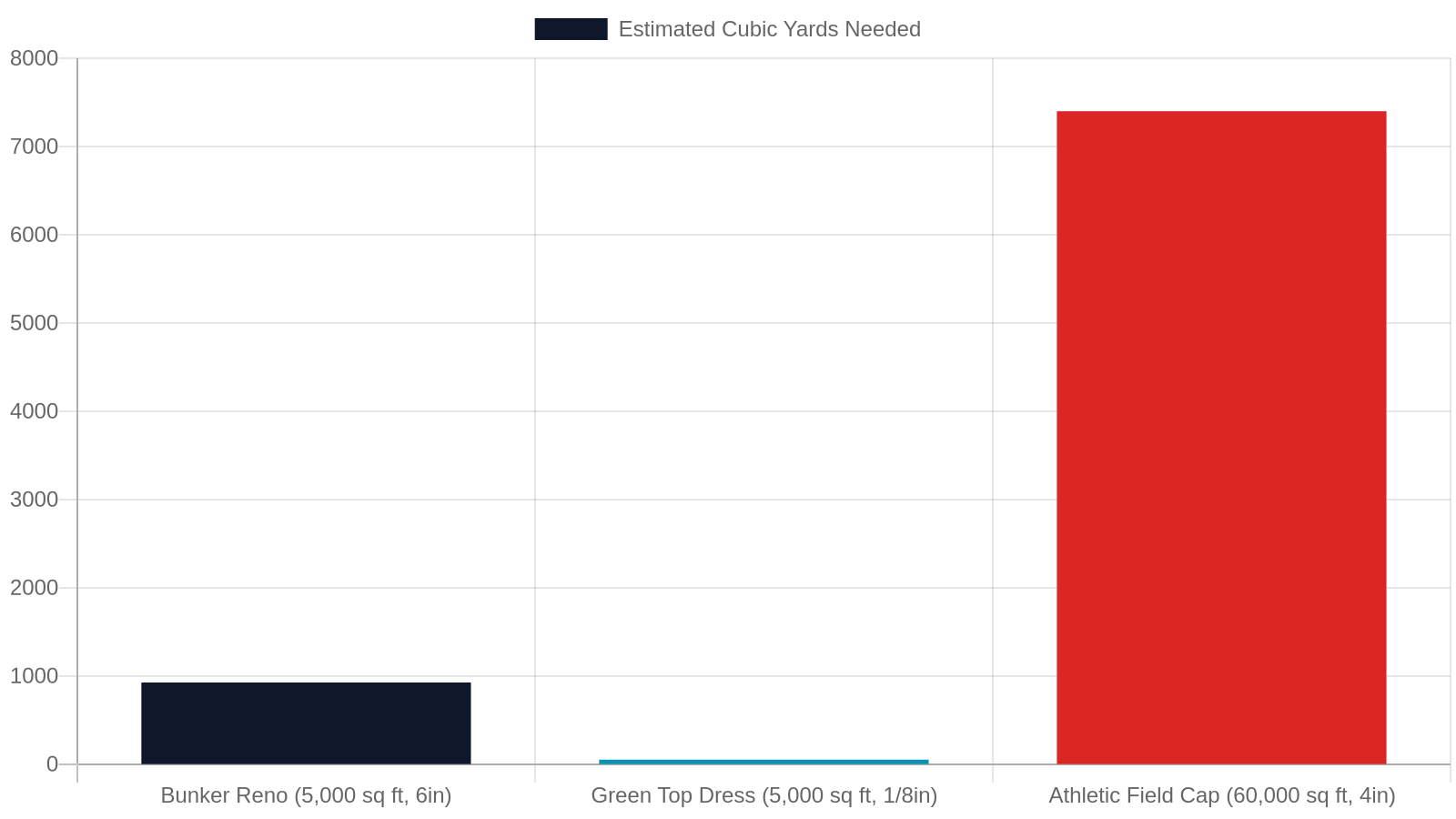
- Bunker renovation (6-inch depth): approximately 0.185 cubic yards per square foot of bunker area — a 5,000 sq ft bunker needs roughly 925 cubic yards
- Top dressing (1/8-inch application): approximately 0.01 cubic yards per square foot — a 5,000 sq ft green needs about 50 cubic yards per application
- Athletic field sand cap (4-inch depth): approximately 0.123 cubic yards per square foot — a 60,000 sq ft field needs roughly 7,400 cubic yards
These are starting estimates. Use the yardage calculator and confirm with your Jackson Sand representative before finalizing an order.
8. Why the Supplier's Mixing and Delivery Process Affects Spec Accuracy
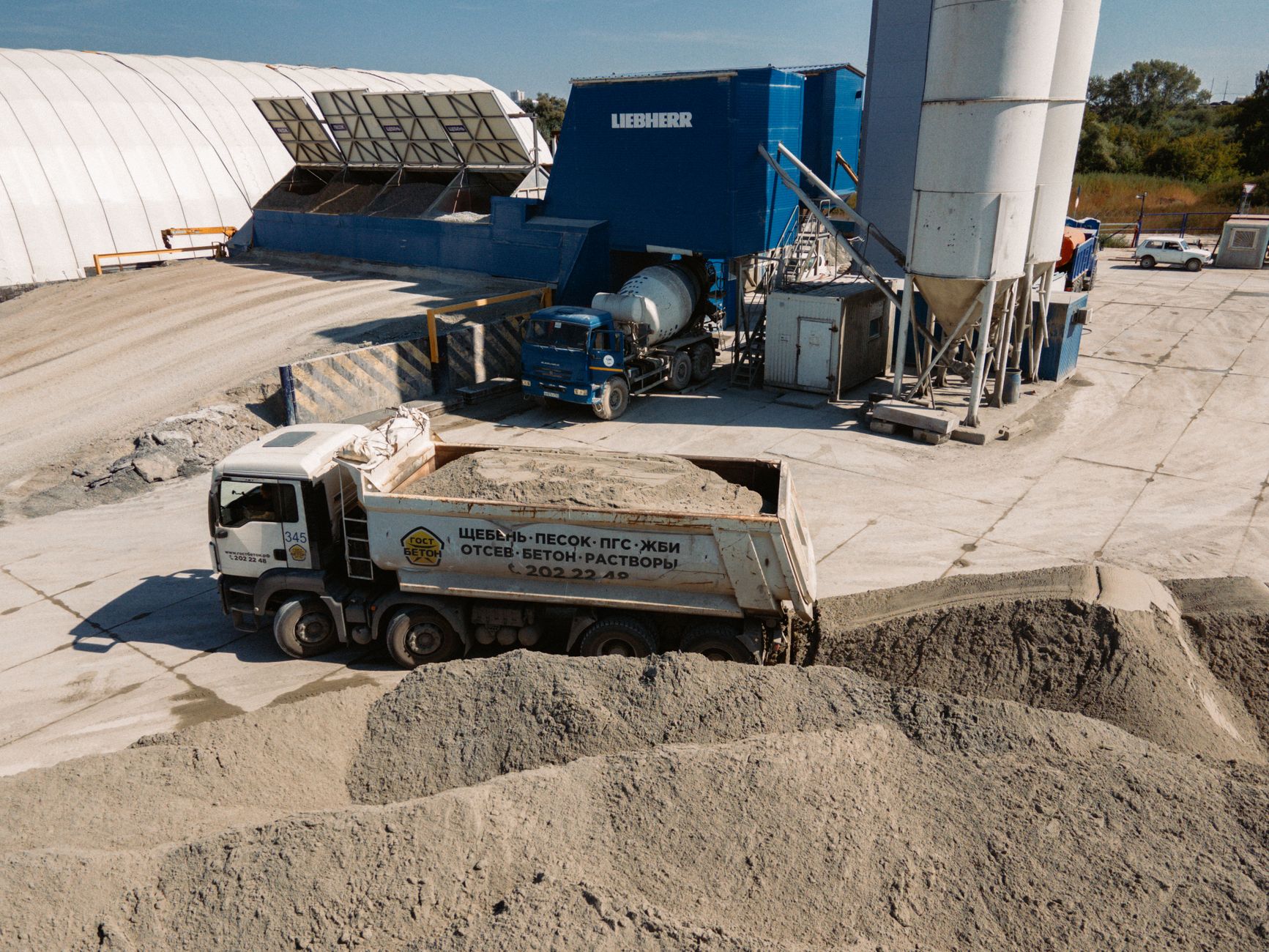
A spec sheet is only as reliable as the process that produced the sand it describes. Two suppliers can hand you a spec sheet that says the same thing — but if one mixes their own product under controlled conditions and delivers it in their own clean trucks, and the other resells from multiple sources and uses third-party haulers, the actual sand you receive may be quite different from what the paper says.
On-Premises Mixing: Consistency You Can Document
When a supplier mixes sand on their own premises — rather than reselling material sourced from multiple third-party quarries — they have direct control over the finished product’s particle-size distribution. Blending is done to a target specification, and the output can be sampled and tested to verify it matches the published spec sheet. This is the difference between a spec sheet that reflects what was actually produced and one that reflects what a quarry said it would produce months ago. Jackson Sand mixes on its own premises at 139 United Dr., Jackson, TN, which is a meaningful quality control advantage.
Owned Trucks: Load Integrity from Plant to Project
Contamination during transport is a real risk with sand. A truck that previously hauled topsoil, mulch, or road base and wasn’t properly cleaned can introduce organic matter, clay fines, or incompatible aggregate into a load of USGA-spec sand. When a supplier owns and operates its own fleet, it controls what goes in those trucks and can maintain cleanliness standards that a third-party hauler may not prioritize. Jackson Sand delivers in its own trucks, which keeps loads clean and accurate — meaning the sand that arrives on your site should match the spec sheet you reviewed before ordering.
Delivery Included: What That Means for Your Budget
Jackson Sand includes delivery in its pricing, which simplifies project budgeting. When delivery is a separate line item from a third-party hauler, the total cost can be difficult to predict — fuel surcharges, minimum load fees, and distance charges add up. Knowing that delivery is included lets you compare apples to apples when evaluating quotes. It also means a single point of contact for the entire transaction: one call to 731-668-0440 covers product, spec documentation, quantity guidance, and logistics.
USGA Sand Spec Compliance: Key Metrics at a Glance
Use this table to quickly compare USGA guideline ranges against typical values for common sand types. Always verify against the actual lab spec sheet for the product you're ordering.
9. Common Mistakes When Sourcing Sand for Golf and Athletic Fields

Even experienced turf managers and contractors make avoidable errors when sourcing sand. These mistakes tend to cluster around three themes: prioritizing price over specification, ignoring compatibility requirements, and skipping the quantity estimation step. Each one is easy to avoid once you know to look for it.
Mistake 1 — Buying on Price Alone Without Reviewing Specs
The cheapest sand per ton is almost never the cheapest sand per project. A sand that fails to drain properly, compacts after one season, or introduces fine particles that clog a drainage system will require remediation that costs far more than the original price difference. Before approving any sand purchase, review the spec sheet. If a supplier can’t produce one, that is itself important information.
Mistake 2 — Using Mismatched Top Dressing Sand
As noted earlier, top dressing sand must match the existing root-zone mix. Superintendents who switch suppliers mid-season — or who use whatever sand is cheapest and available — risk creating particle-size layering in their greens. This layering can take years to manifest as a visible problem, but by the time it does, remediation typically requires deep-tine aeration, aggressive sand topdressing programs, or in severe cases, green reconstruction. The cost of a spec sheet comparison before ordering is essentially zero. The cost of layering remediation is not.
Mistake 3 — Ordering Without a Quantity Estimate
Under-ordering causes project delays — you run out of sand mid-job and wait for another delivery. Over-ordering wastes budget and leaves you with a stockpile you may not be able to use before it’s contaminated by weather or equipment. Neither outcome is acceptable on a tight project timeline. Use the Jackson Sand yardage calculator before you pick up the phone, and confirm your estimate with the team at 731-668-0440 before finalizing the order. Five minutes of math saves hours of headache.
10. Drainage Materials: When Sand Specs Overlap with Aggregate Specs
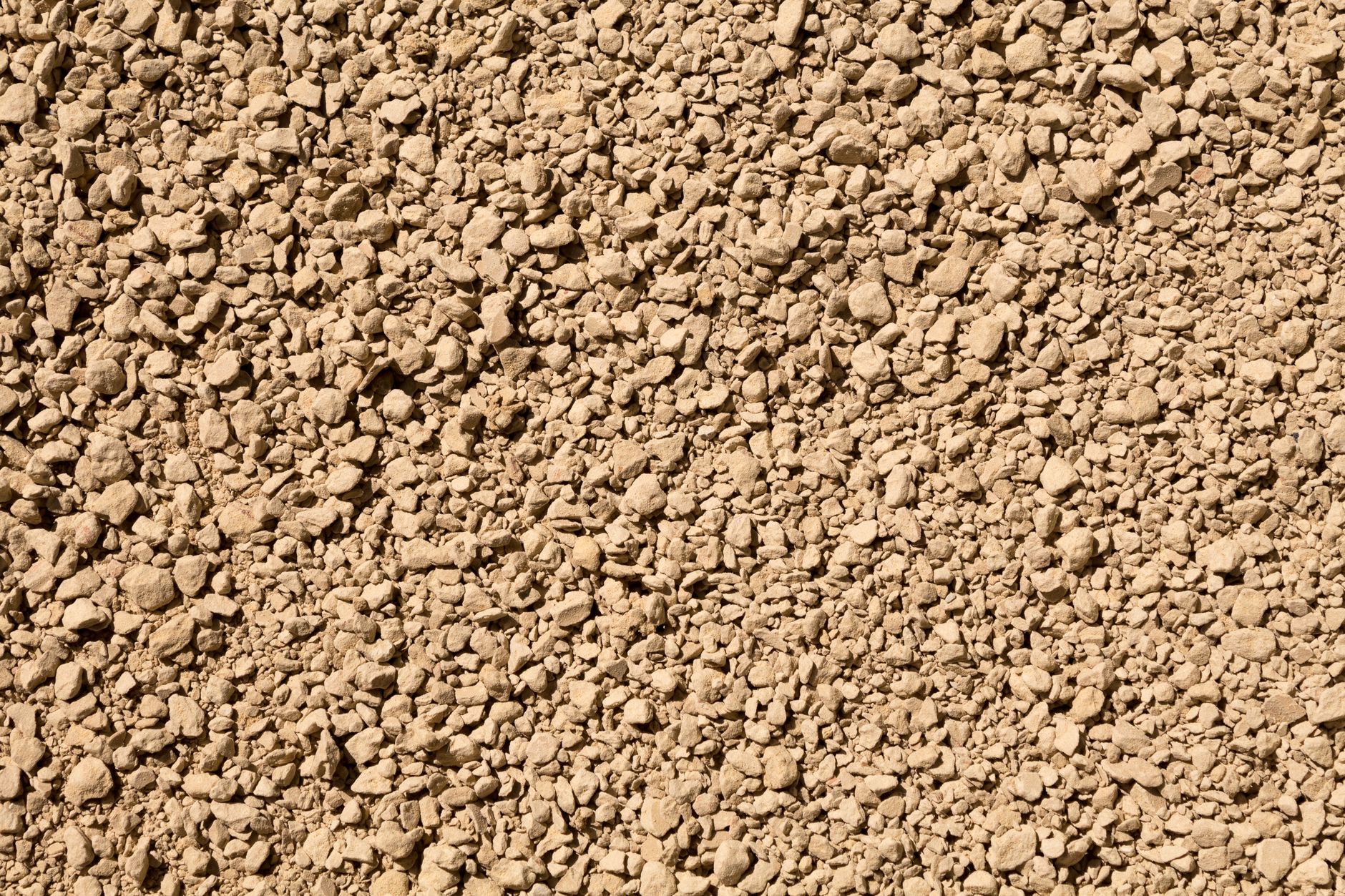
Sand specs and aggregate specs are related but not identical. If your project involves both a sand root zone and a drainage system beneath it — as most quality putting green and athletic field constructions do — you’ll need documentation for both the sand and the drainage aggregate. Understanding where these specs overlap and where they diverge helps you ask the right questions when sourcing materials.
Surface Drainage and Slope
Surface drainage design — grading a site so water flows away from playing surfaces — doesn’t always require a spec sheet in the same sense as root-zone sand. But the aggregate used in swales, drainage channels, and slope stabilization does need to be appropriately sized to avoid erosion and maintain flow. Jackson Sand supplies materials for surface water drainage and slope applications, and the team can advise on appropriate gradations for your specific site conditions.
Drainage Basins and Seepage Drainage
Drainage basins — catch basins, dry wells, and infiltration systems — rely on well-graded aggregate to function. The aggregate must be coarse enough to allow rapid water entry but stable enough not to migrate into surrounding soil. Seepage drainage systems, which move water laterally through a permeable layer, require aggregate with documented void space and flow characteristics. These are distinct from putting green sand specs but equally important to document for project compliance and long-term performance. Jackson Sand supplies aggregate for both applications.
Gravel and Mulch for Broader Site Work
Beyond turf-specific applications, Jackson Sand supplies gravel and mulch for general site work — driveways, pathways, landscape beds, and contractor projects across West Tennessee. These products may not require USGA-specific documentation, but quality and consistency still matter. Knowing that your gravel supplier also maintains lab-tested specs on their sand products is a reasonable indicator of overall quality standards across their product line.
11. Questions to Ask Any Sand Supplier Before You Order

Knowing what to ask a sand supplier is as important as knowing where to find the spec sheet. The right questions protect your project, your budget, and your professional reputation. Here is a practical checklist organized by category.
Documentation Questions
Start with the paper trail:
- Do you have a current lab-tested spec sheet for this product? (Current = within the past 12–18 months)
- Which laboratory conducted the testing, and are they accredited?
- Does the spec sheet include hydraulic conductivity, or only particle-size distribution?
- Can you provide the spec sheet before I place an order?
A supplier who hesitates on any of these questions is telling you something important about their product quality and transparency.
Sourcing and Process Questions
Next, understand how the product is made and moved:
- Do you mix this sand on your own premises, or do you resell from a third-party quarry?
- Do you deliver in your own trucks, or do you use contract haulers?
- How do you ensure load cleanliness between deliveries of different products?
- Is delivery included in your pricing?
These questions reveal whether the spec sheet you’re reviewing reflects the actual product you’ll receive, or whether there are gaps between the documented spec and the delivered material.
Project-Specific Questions
Finally, make sure the supplier understands your application:
- I’m renovating bunkers on an 18-hole course — which of your products is most appropriate?
- My existing root-zone mix has a D50 of 0.35 mm — can you match that with your top dressing sand?
- I need drainage aggregate for a French drain system under an athletic field — what gradation do you recommend?
A knowledgeable supplier will engage with these questions specifically, not generically. The team at Jackson Sand — reachable at 731-668-0440 — works with golf course superintendents, athletic field managers, and contractors regularly and can speak to these applications from experience.
Ready to Order USGA-Spec Sand for Your West Tennessee Project?

You now have everything you need to find, read, and act on USGA sand spec sheets in West Tennessee. The process is straightforward: know what the spec means, verify the documentation, confirm the supplier’s process, estimate your quantity, and place your order. Jackson Sand makes each of those steps as simple as possible for turf professionals and contractors across the region.
Start with the Spec Sheet, Then Calculate Your Quantity
The logical starting point for any sand project is documentation. Review the Jackson Sand spec sheets to confirm the product you’re considering meets your project’s requirements — whether that’s USGA putting green guidelines, bunker sand standards, or athletic field specifications. Once you’ve confirmed the spec, use the free yardage calculator to estimate your quantity. Both resources are available on the Jackson Sand website at no cost and with no obligation.
Call or Visit Jackson Sand in Jackson, TN
Jackson Sand is located at 139 United Dr., Jackson, TN 38305, serving golf courses, athletic fields, contractors, and homeowners throughout West Tennessee and the Mid-South. Whether you’re planning a full bunker renovation, a seasonal top dressing program, a drainage installation, or a simple residential delivery, the team can help you identify the right product, confirm the spec, and schedule delivery in Jackson Sand’s own trucks. Call 731-668-0440 to speak with the team directly, or visit the contact page to send a message. Delivery is included — no separate freight quote required.
Frequently Asked Questions
Where can I download USGA sand spec sheets in West Tennessee?
Jackson Sand publishes lab-tested spec sheets for their products at jacksonsand.com/sand-specs/. You can download them at any time without needing to call first. For project-specific documentation, call 731-668-0440.
What is the USGA recommended hydraulic conductivity for putting green sand?
The USGA recommends a saturated hydraulic conductivity of 6 to 24 inches per hour for putting green root-zone sand, with 12 inches per hour often cited as a practical target. This range ensures the green drains quickly after rain without drying out too rapidly.
Does bunker sand need to meet the same USGA specs as putting green sand?
No. Bunker sand and putting green sand have different specification requirements. Bunker sand prioritizes playability, resistance to crusting, and drainage, while putting green sand must meet strict particle-size and hydraulic conductivity ranges for root-zone performance. Always request the appropriate spec sheet for your specific application.
How do I know if my top dressing sand matches my existing root-zone mix?
Compare the particle-size distribution on the top dressing sand spec sheet against your original root-zone mix spec or a current core sample analysis. The D50 (median particle size) values should be within about 0.05 mm of each other to avoid layering problems. Your sand supplier can help you make this comparison.
Does Jackson Sand deliver to golf courses and athletic fields across West Tennessee?
Yes. Jackson Sand serves golf courses, athletic fields, contractors, and homeowners throughout West Tennessee and the Mid-South. Delivery is included in their pricing, and they deliver in their own trucks to keep loads clean and accurate. Call 731-668-0440 to discuss your project.
How much sand do I need for a bunker renovation or top dressing program?
The amount depends on your area and target depth. As a rough guide, a 5,000 sq ft bunker renovated to 6 inches deep needs about 925 cubic yards. Jackson Sand offers a free yardage calculator at jacksonsand.com/yardage-calculator/ where you can enter your dimensions and get an estimate in about 60 seconds.